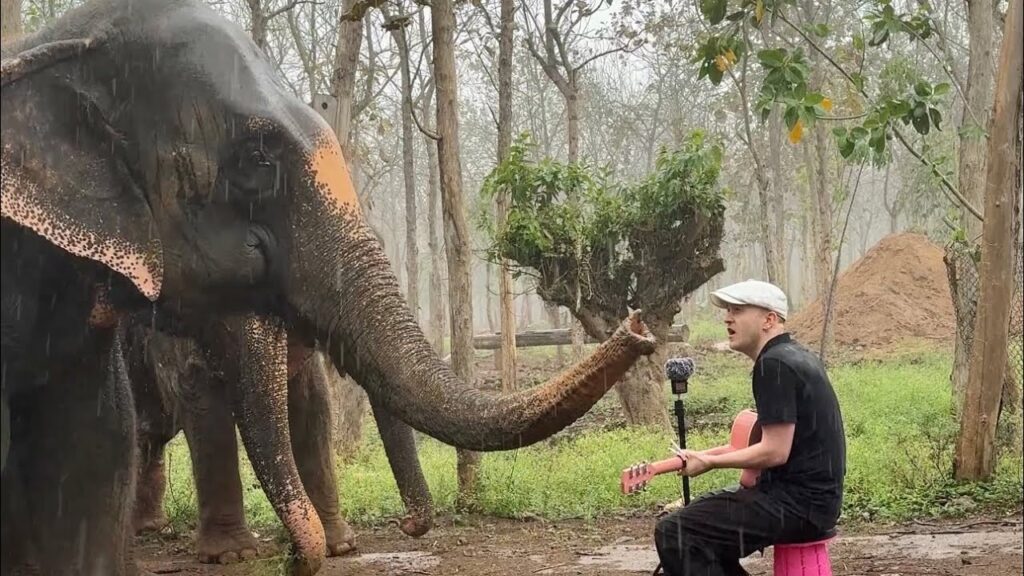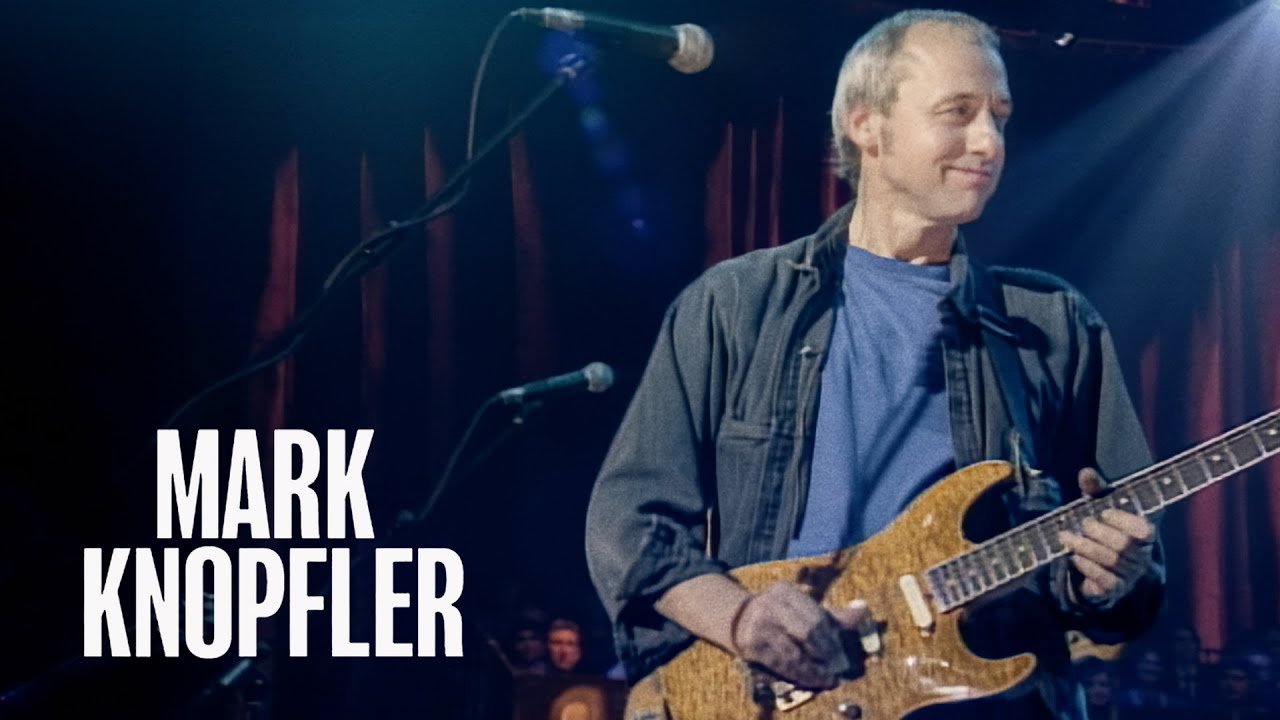
George does not own a fancy guitar. The one he plays is old, and it is all he can afford, but when the lights come on, he plays that thing like anything. That tension between modest means and unmistakable drive sits at the heart of a song that turns a rainy park, a near-empty room, and a crowd of boys who do not care about trumpet players into a full-throated argument for staying on stage anyway.
Playing for the room that almost is not there
The scene opens with a shiver in the dark and rain falling in a park. Faces are not exactly pouring in out of the weather. Too many other places compete for the night, and the room feels it. But George, somewhere down south, is not waiting for a better crowd. He knows only fancy rhythm, the song explains, and he has no interest in making that guitar cry just to satisfy a trend. His daytime job is doing quite all right, which means the stage is not desperation. It is a choice, made clearly and without apology.
That distinction matters. The song does not frame George as someone grinding through hardship in search of rescue. He is someone who has already decided what the music is worth, independently of what the room decides. A crowd of boys fooling around in the corner, dressed in what the lyric calls the best king style, do not give a single thought to a trumpet-playing man or what they are calling rock and roll. George plays anyway.
When the soldiers line up at the microphone
The song shifts in its final movement. A microphone stands alone, and the countdown begins: it is time to go, make it fast, one more thing. Then the declaration arrives, repeated and rising: ‘We are the soldiers.’ The word lands not as aggression but as endurance, a collective noun for everyone who has ever played a near-empty room and come back the next night.
The word ‘heat’ follows in a long, insistent run, rhythmically stacked until it becomes less a lyric than a physical sensation, the temperature of the performance itself, accumulating long after the formal song structure has dissolved.
The old guitar, still in George’s hands
The old guitar sits somewhere down south, its strings worn in places no new instrument would show.
George’s daytime job is doing quite all right. The guitar does not need to rescue him. It just needs to be played.
 Wake up to Only Happy News!