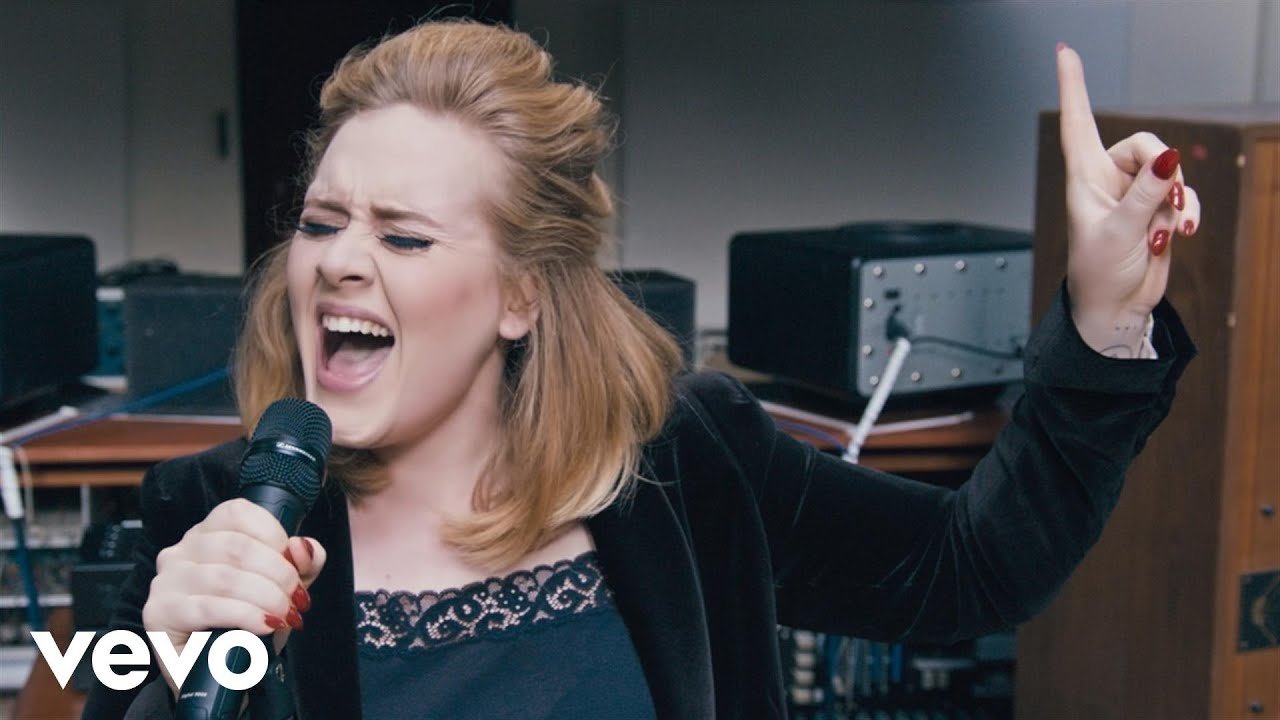
Somewhere in a room full of laughter and loose drumstick rhythms, a woman sat down at the piano and made a decision. The chatter had been going for a while, tambourine shaking, people talking over each other, the easy noise of a group that is comfortable together. Then, simply: ‘I’m going home, girls. Let’s do When We Were Young.’ What followed was not a rehearsed set or a polished showcase. It was something rarer, a full, felt performance that surprised even the person giving it.
The song, Adele’s aching meditation on lost time and half-let-go love, began with a quiet piano intro. By the first chorus, the room had shifted. The laughter quieted into something attentive. The lyrics did what they always do when sung with real conviction rather than polish, they stopped being a pop song and started being a confession. Every line about movies and old photographs and the terror of getting older landed with the weight of someone who actually meant it.
The moment the song took over
The middle section is where most casual singalongs fall apart. The bridge of ‘When We Were Young’ asks for real emotional reach, the ‘hard to win me back’ passage that drops into a near-spoken intimacy before the final chorus opens back up. Here, it held. The piano kept the tempo honest, the vocal commitment stayed, and the room stayed with it. The final chorus pushed further than the earlier ones, swapping ‘sad of getting old’ for ‘so mad I’m getting old’ with the kind of small, lived-in adjustment that only happens when a performer stops managing the song and starts living inside it.
When the last note landed, there was a beat of silence, and then the reaction that made the whole thing worth documenting. ‘I’ve never done that in my life,’ she said, laughing. ‘It’s a whole new me!’
What an unplanned room can unlock
The best musical moments rarely come from preparation. They come from a tambourine sitting out on a table, a piano that nobody planned to use seriously, and someone deciding at the last second to go all in before they go home. This performance was entirely unscheduled, framed by indistinct chatter on both ends, and it landed harder for it. There were no retakes, no audience expectations to manage, no performance anxiety beyond the song itself. Just the decision to try something, and the surprise of finding out it worked.
The informal countdown at the start, ‘Let’s do When We Were Young,’ was both an invitation and a small act of courage.
The piano after the last chord
The piano keys, struck one final time in the outro, sat in a room that had gone from scattered noise to something close to stillness.
She went home that night having done something she had never done before, which is probably the best possible reason to stay a little longer.
 Wake up to Only Happy News!