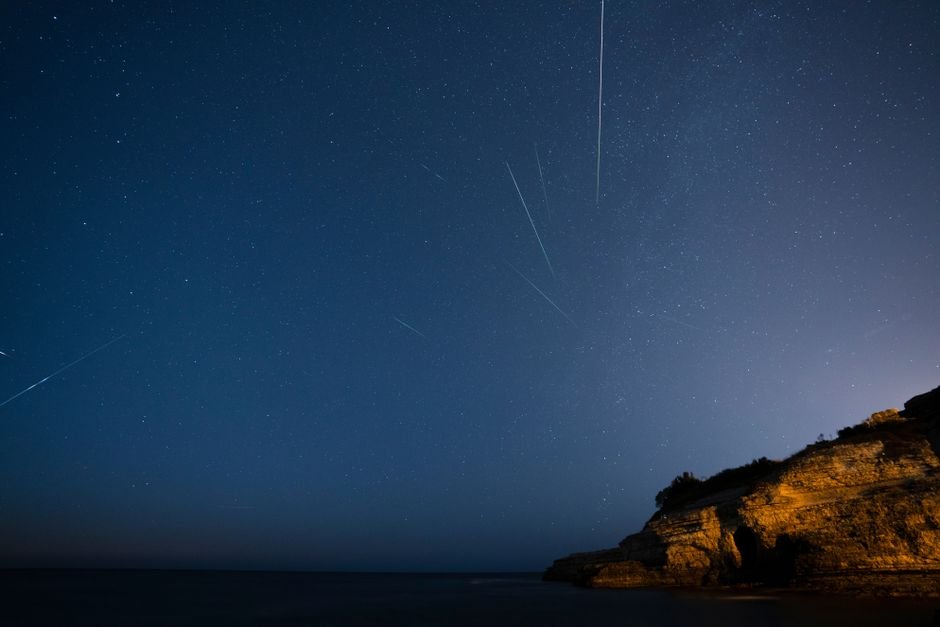
On the nights of July 30th and 31st, two separate meteor showers are set to peak simultaneously – giving stargazers a double-feature overhead that has nothing to do with screens or ticket prices. The Southern Delta Aquariids and a second shower overlap in the final days of the month, and both are visible to the naked eye. Here is a breakdown of what each shower is, when to look, and how to get the clearest view.
The Southern Delta Aquariids Start Early but Peak on July 30th
The Southern Delta Aquariids are the headliner of the two. They begin showing up as early as July 12th, which means patient observers have nearly three weeks of early activity to catch before the peak arrives. The peak itself lands on the night of July 30th running into July 31st – that is when the rate of visible meteors climbs to its highest point. These meteors originate from debris trails left behind by comets, and they radiate from the constellation Aquarius in the southern sky. Observers in the Southern Hemisphere get the best geometry for this one, but Northern Hemisphere viewers can still pull solid counts by looking toward the southern horizon after midnight, when the radiant point sits highest above the ground.
A Second Shower Running Alongside the Delta Aquariids Doubles the Display
The second shower overlapping those same final July nights adds meaningful numbers to the overall count. Two active showers sharing peak nights is not a nightly occurrence – it requires calendar alignment that does not repeat on a simple annual schedule. Together, the two showers produce a combined stream of meteors that fills more of the sky than either would alone. Clear, dark skies away from city light pollution remain the single biggest factor in how many meteors a person actually sees. No equipment is needed: wide-angle naked-eye viewing beats any telescope for meteor watching, since the field of view on a scope is far too narrow to catch fast-moving streaks.
What the July 30th Double Peak Means for Casual Skywatching Attendance
Meteor showers with named, calendar-anchored peaks consistently draw the largest crowds to dark-sky parks and rural observation sites. Events like this one – where two showers overlap on a specific, publicized date – tend to pull in first-time stargazers alongside regulars. That kind of broad, low-barrier public engagement with astronomy has a documented track record of feeding long-term interest in space science, with libraries, planetariums, and science education programs reporting upticks in inquiries in the days following major visible sky events. The July 30th-31st window is narrow, but it is also free, requires zero gear, and is accessible from nearly any dark location on the planet.
Anyone who stepped outside on a clear July night earlier in the month and caught even a single early Delta Aquariid streak already got a preview of what the 30th and 31st are building toward – two showers running at full pace, overhead, at the same time.
Source: Read original
 Wake up to Only Happy News!