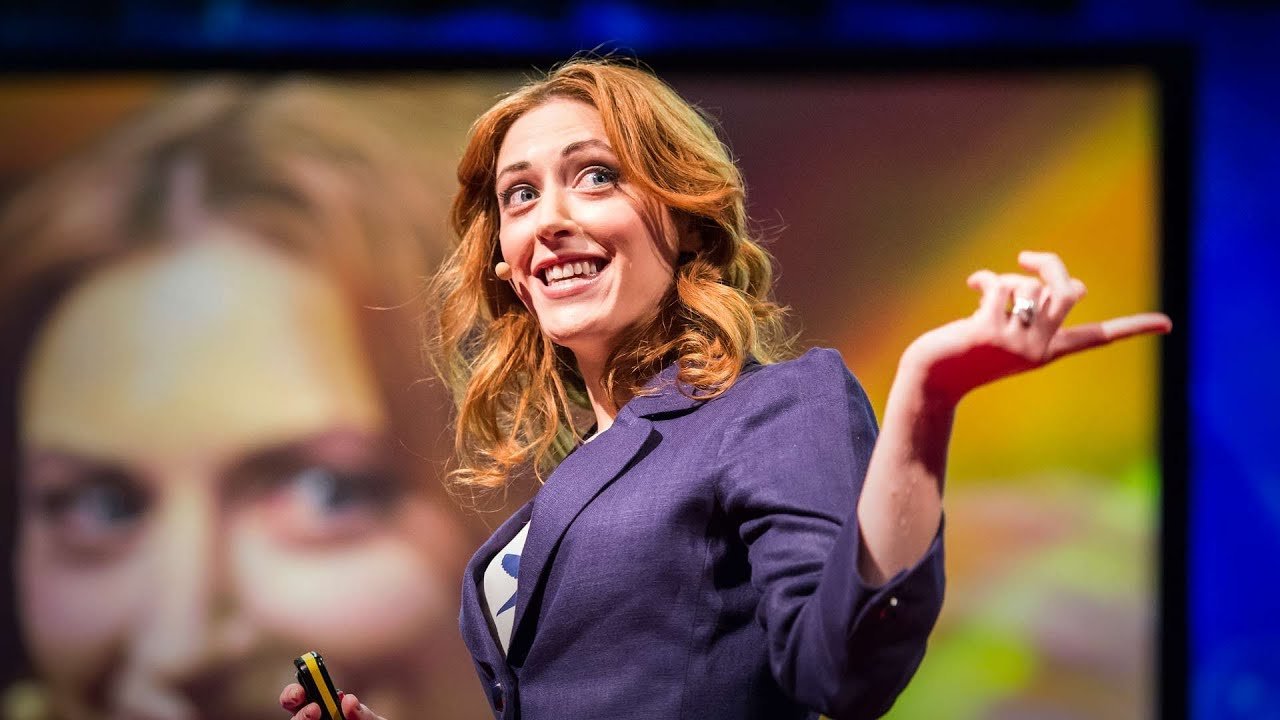
Kelly McGonigal stood in front of a room full of people and asked them to raise their hands if they had experienced a lot of stress in the past year. Most hands went up, including hers. Then she made a confession that took a decade to arrive at: she had spent her career as a health psychologist telling people that stress was the enemy, and she now believed that advice was causing serious harm. The stakes of being wrong about something so widely taught are almost impossible to overstate. This is the story of how one landmark study changed her mind, and why it might change what stress does to your body.
The study that started with 30,000 people and death records
Researchers tracked 30,000 adults in the United States for eight years. They asked two questions at the start: how much stress had each person experienced in the past year, and whether they believed stress was harmful to their health. Then they checked public death records.
People who reported high stress and also believed stress was harmful had a 43 percent increased risk of dying. But people who reported high stress and did not view stress as harmful were no more likely to die than anyone else. In fact, they had the lowest risk of dying of anyone in the study, including people who had experienced relatively little stress. The researchers estimated that over those eight years, 182,000 Americans died prematurely not from stress itself, but from the belief that stress was bad for them. That works out to more than 20,000 deaths a year. If the estimate holds, that would make the belief that stress is harmful the 15th largest cause of death in the United States, ahead of skin cancer, HIV/AIDS, and homicide.
McGonigal put it plainly: ‘I’ve been spending so much energy telling people stress is bad for your health.’
What happens when the body gets a different instruction
A separate study conducted at Harvard University sent participants through a social stress test, a deliberately punishing exercise involving an impromptu speech on personal weaknesses delivered to a panel trained to respond with discouraging silence, followed by a timed math exercise with an experimenter assigned to actively harass them. Before entering that situation, one group of participants was taught to reframe their physical stress response as a sign that their body was preparing them to meet a challenge. A pounding heart was preparation for action. Faster breathing was getting more oxygen to the brain.
Participants who held that view were less anxious and more confident. But the physical finding was the one that shifted the science. In a typical stress response, blood vessels constrict. In the group that had learned to view stress as helpful, blood vessels stayed relaxed even while the heart rate climbed. That cardiovascular profile, McGonigal noted, looks much closer to what the body produces during moments of joy and courage.
The second mechanism she named was oxytocin. The pituitary gland releases it as part of the standard stress response, and its role is to push a person toward human contact: to seek support, to notice when someone nearby is struggling, to reach out. Oxytocin also helps blood vessels stay relaxed under stress and helps heart cells regenerate from stress-induced damage. Critically, its protective physical effects are amplified by actual social contact. Reaching out to others under stress releases more of it, which in turn makes the stress response itself less damaging.
A third study, tracking roughly 1,000 adults aged 34 to 93, found that every major stressful life event increased the risk of dying by 30 percent, except for people who spent time helping friends, neighbors, and others in their community. For that group, the increase was zero.
The moment the math became personal
For McGonigal, the reversal was not just academic. She had spent more than 10 years in a professional role explicitly designed to help people live healthier lives, using stress reduction as a primary tool. The study finding that the belief stress is harmful may kill more Americans annually than skin cancer was, in her words, the thing that ‘freaked her out.’
Her goal as a health psychologist has changed. She no longer aims to eliminate stress from people’s lives. She aims to make people better at it. When interviewer Chris Anderson asked whether someone choosing between a stressful job and a less stressful one should simply pick the calmer path, she redirected the frame entirely: ‘chasing meaning is better for your health than trying to avoid discomfort.’
The instruction she left the room with was simpler than a decade of stress-reduction programming: when the heart pounds, let that be the signal the body is preparing, not failing. Then find someone to tell.
Kelly McGonigal is a health psychologist whose research sits at the intersection of stress biology and human behavior. The studies she cited are the ones that reshaped her own practice.
 Wake up to Only Happy News!