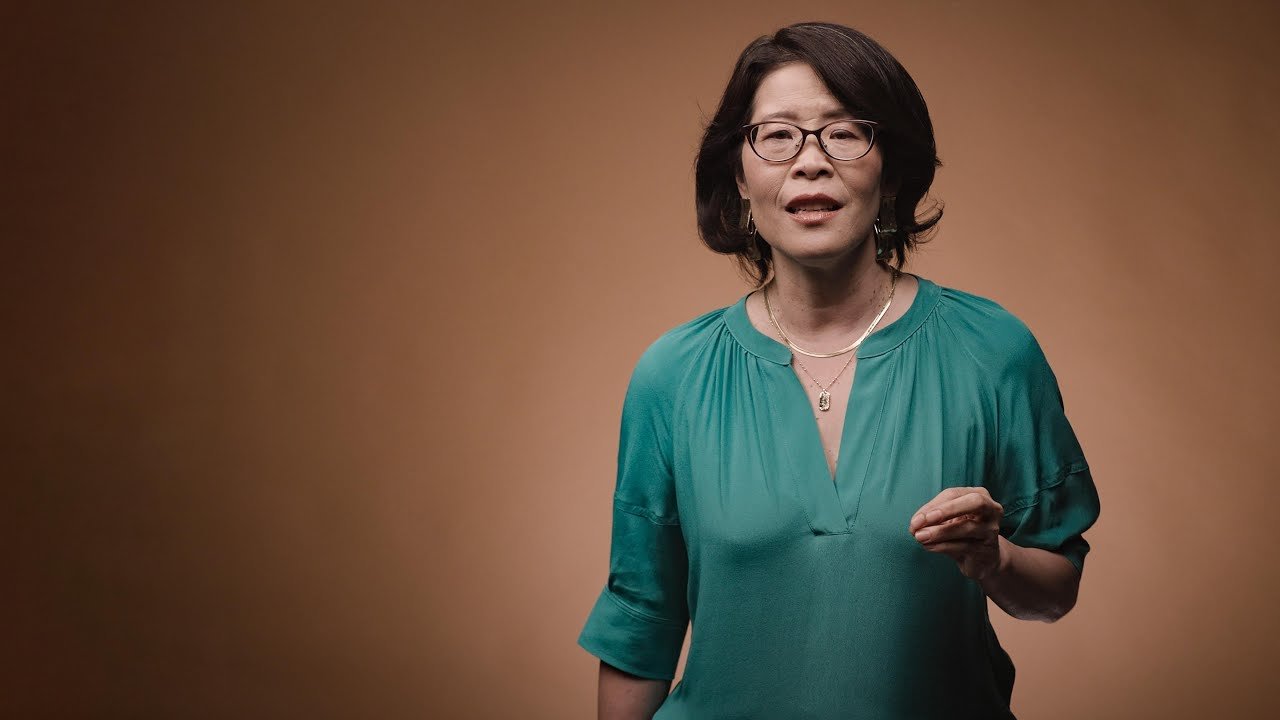
The sweaty palms arrive before the brain even processes the words. An ambiguous email lands from a boss, the stomach goes hollow, and suddenly the body is running a full alarm response over a three-sentence message. Most people treat that reaction as a malfunction to be suppressed. A researcher who studies anxiety at NYU has spent years arguing the opposite: the alarm is working exactly as designed, and the real problem is that someone turned the volume up too high.
Why anxiety is not the enemy
Anxiety evolved as a survival tool, a system for detecting danger before it arrives. The trouble is that global anxiety levels, both clinical and everyday, have climbed so steeply in recent years that the signal is now running almost constantly, drowning out the useful information it was built to deliver. When a warning light flashes every three minutes, people stop reading it as a warning and start reading it as noise. The goal, then, is not to eliminate the signal but to turn the volume back down to a range where it can actually be useful.
Two science-grounded tools do exactly that, and both of them start with the body rather than the mind.
The four-count reset and the neurochemical bubble bath
The first tool is structured breath work, specifically a boxed breathing pattern: inhale for four counts, hold at the top for four, exhale for four, hold at the bottom for four. The mechanism is direct. Deep breathing activates the parasympathetic nervous system, which is the body’s built-in de-stressing circuit. The technique is quiet enough to use inside any tense conversation without the other person noticing.
The second tool is physical movement, and its mechanism is different. Every time the body moves, it releases dopamine, serotonin, noradrenaline, and endorphins. As she puts it: ‘every single time you move your body, it’s like giving yourself a wonderful bubble bath of neurochemicals for your brain.’ Studies in the research show that ten minutes of walking is enough to produce measurable mood-boosting effects, but the form of movement is flexible. A walk to the supply closet for sticky notes, two songs of dancing alone in a living room, a set of jumping jacks, or what she describes as ‘power vacuuming a la Mrs. Doubtfire’ when a deadline is bearing down, all of them count.
The NYU classroom test made the case concretely. Students took an anxiety assessment, then moved through a session combining kickboxing, dance, yoga, and martial arts movements alongside spoken affirmations. When they retook the same assessment afterward, their anxiety scores had dropped to normal levels.
What the signal is actually trying to say
Once the volume comes down, the anxiety becomes readable again. The original warning signal, that tight feeling after a difficult email, can be examined for what it is actually pointing at: too many commitments taken on, or a skill gap that needs attention, or a project that needs reprioritizing with a manager. Because the body is no longer locked in fight-or-flight, asking a trusted colleague for advice or having that direct conversation with a boss stops feeling like a threat.
There is a secondary effect that follows. Someone who has learned to read their own anxiety starts recognizing the same signals in the people around them, in the colleague who goes quiet, in the manager who sends a terse reply. That recognition, she argues, converts personal anxiety into a practical form of empathy, the capacity to offer a word or a smile at exactly the right moment.
The researcher’s own students, still holding their results
Somewhere in a classroom at NYU, a cohort of students filled out two identical anxiety assessments on the same day, with a movement session between them. The second sheet of numbers came back lower than the first.
The next time an ambiguous email arrives and the palms go damp, there are four counts in and four counts out, and a walk to the nearest supply closet, waiting.