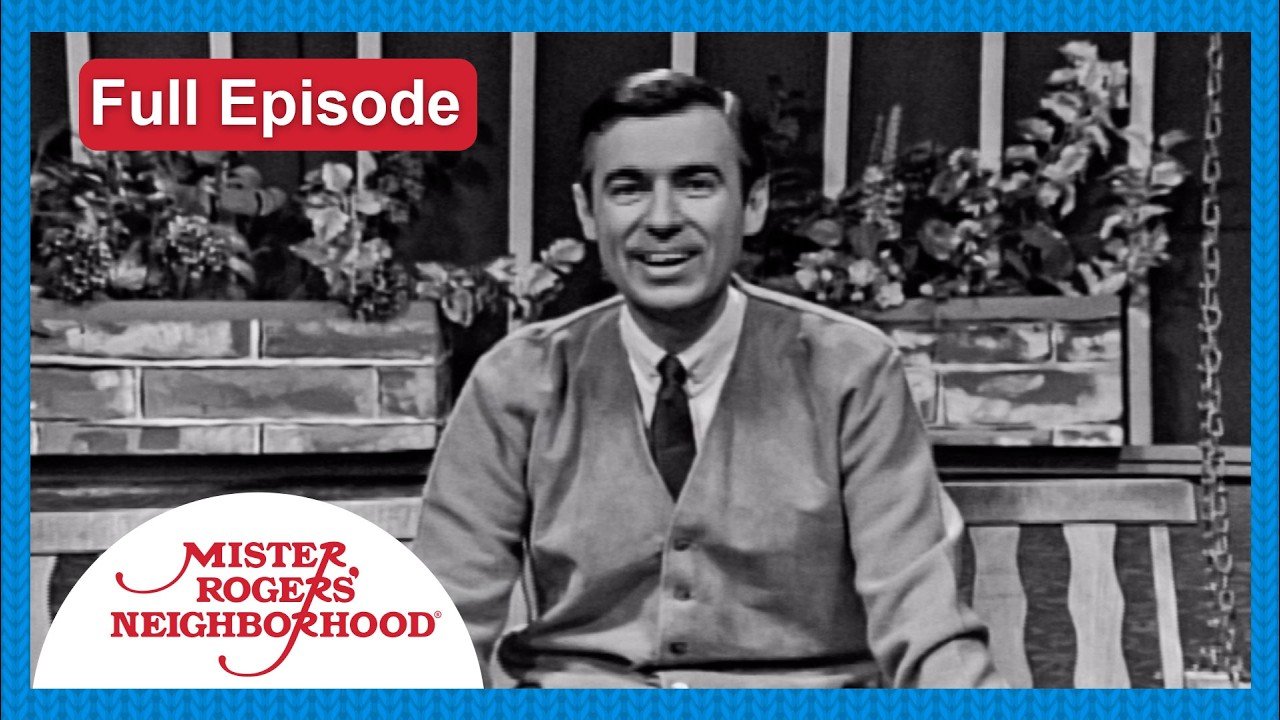
Mister Rogers walked through his front door, hung up his jacket, slipped on his cardigan, and began the careful work of tying his shoes. For millions of children watching, that ritual was the most reliable thing in their day. But this particular episode was quietly, deliberately about the opposite of reliability: change, and how to survive it without losing yourself.
The question at the center of the episode is one most adults still wrestle with. How do you hold on to yourself when everything around you looks different? Rogers answered it not with a lecture but with a neighborhood full of characters who were genuinely struggling with the same thing.
A neighborhood turned upside down overnight
In the Neighborhood of Make-Believe, Lady Elaine Fairchilde had been busy. Overnight, she used her magic to rearrange everything: the Museum-Go-Round moved, the Eiffel Tower appeared on the wrong side of the castle, Henrietta Pussycat found her knitted scarf in her branch instead of her roots where she always kept it. King Friday the 13th was furious. X the Owl called it a treasure hunt because at least you knew what you were looking for. Henrietta put it more plainly: ‘Meow meow change. Hard for me. Meow.’
Daniel Striped Tiger told Joe Negri about his own brush with change. ‘I’ll never forget the time I had to get used to a junior bed. After a crib. I was so used to my crib.’ The admission that even a small bedroom adjustment once felt enormous was the kind of specific, unsanitized honesty that made the neighborhood feel real. Joe sent a handwritten note on the trolley asking Mister Rogers for help finding Lady Elaine, and Rogers took a moment to point out to any child watching that writing notes was ‘very handy’ and that if they could not do it yet, they would someday.
The woman who wore lampshades and remembered being a little girl
Rogers walked a short distance to visit Mrs. Russellite, a neighbor with an unusual collection: lampshades she wore as hats. She had been collecting them since childhood, starting with ones her mother no longer needed. She showed him one she wore as a little girl that no longer fit, one she had modified for a bigger head, and her most formal piece, the one she always wore to visit King Friday. ‘The king likes special things,’ she said, ‘and he likes the same things all the time, it seems.’
When Rogers told her about the chaos Lady Elaine had caused, Mrs. Russellite offered the clearest summary of the whole episode: some things have to change, and that is good. ‘The new is kind of exciting.’ But then she added something King Friday would have agreed with. ‘There are some things that you just don’t like to change either. Like your friends. You like to keep them the same.’
Rogers borrowed a lampshade made from two smaller ones fused together, balancing it on his head with visible effort and genuine good humor. He promised to return it when she came to visit him next.
The cardigan hanging near the door
The swing in Rogers’ outdoor area, a gift from a grandmother friend, sat sturdy and ready on its chain.
Back inside, Rogers settled the neighborhood into its evening position, tucked away the small bed kept for Make-Believe visits, and reminded the children watching that he would be thinking about them until tomorrow. The sweater, the shoes, the swing, the lampshade borrowed in good faith: none of it was the same as yesterday, and somehow all of it felt exactly right.
 Wake up to Only Happy News!