The question is not whether you are cutting out dead space. Almost every creator does that. The real question is whether your editing is giving viewers the exact experience they came for, or quietly pushing them away. Leo, creator of Learn By Leo, spent years studying what actually drives watch time before distilling those lessons into a four-pillar formula he used to reach over 300,000 views across just three uploads, without promoting a single one.
The experience your viewer wants determines everything
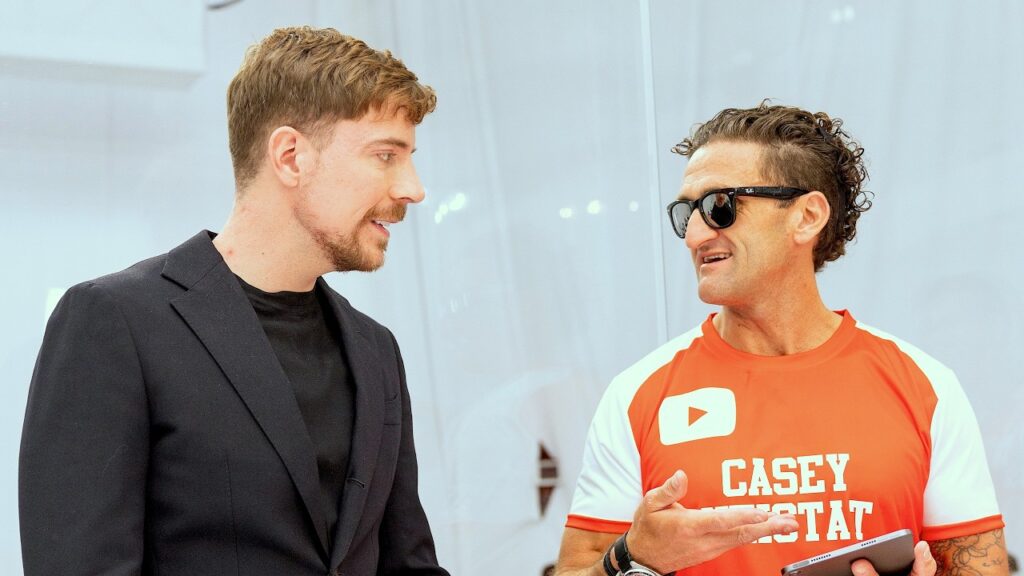
The formula opens with a challenge to conventional editing wisdom. Leo walks through the case of a creator named Sam, whose 26-minute video contains only 17 cuts and virtually no motion graphics. By most editing standards, that sounds undercooked. Yet Sam’s channel thrives, because his viewers are not there for stimulation. They want to feel like they are spending time with a friend, and a barrage of quick cuts would shatter that. As Leo put it: ‘a disruption of what the viewer came to the video for is the best way to make them stop watching.’ Sam’s spare approach and Mr. Beast’s rapid-fire style both work because each one accurately matches what its particular audience wants.
From that foundation, the formula builds through four pillars. The first is visual variety. Human attention resets every time something changes on screen, so cycling between a-roll, b-roll, stock footage, and motion graphics every few seconds holds attention far better than a single locked-off talking-head shot. But Leo flags the trap immediately: cutting to a new clip purely for the sake of cutting creates visual mush. A shot that is genuinely interesting for ten seconds should stay on screen for ten seconds. When a cut is not the right tool, movement inside the frame does the job instead, such as a slow scale drift on a still image, a deliberate zoom toward the face during a key point, or animated text that guides the eye to exactly the detail that matters.
Invisible editing and the sound effects that hijack emotion
Pillar three is visual continuity, and Leo describes it as the difference between an experience that flows and one that constantly reminds the viewer they are watching a video. The goal is for every graphic to move into frame rather than pop into existence, and for every cut to keep the viewer’s eye landing in roughly the same place on screen. A jarring jump from one side of the frame to the other on every cut accumulates into an exhausting viewing experience, even when the viewer cannot name what is bothering them.
Pillar four is where Leo says things get genuinely powerful. Sound design, he argues, gives the viewer a second sense through which to experience every cut and animation, and certain sound types directly manipulate emotional state. Risers build tension and signal that something important is coming. Hits release that tension and mark a significant moment. Drones generate underlying suspense for darker or more serious segments. On top of those effects, music choice does deeper work: Leo selects songs that create anticipation during setup sections and switches to tracks with an innovative, forward-moving feeling when delivering key advice. He also uses abrupt music pauses to snap attention back to the screen, and lets tracks fade slowly to signal to the viewer that a segment is wrapping up and something new is about to begin.
The sync point that makes a solution feel earned
A detail that separates the formula from general editing advice is Leo’s practice of aligning the musical structure of a song to the narrative structure of the edit. In one segment of his own work, he identifies the exact moment where a problem is introduced and where the solution begins, then lines up the music so the track picks up energy at precisely that transition. The shift from minor-mood setup to forward-moving resolution is felt before it is consciously understood.
Four separate music tracks were running simultaneously in one sequence, each downloaded as an individual stem from a licensed music platform, layered to give the edit textures that a single full song could not provide.
The timeline that still has room to grow
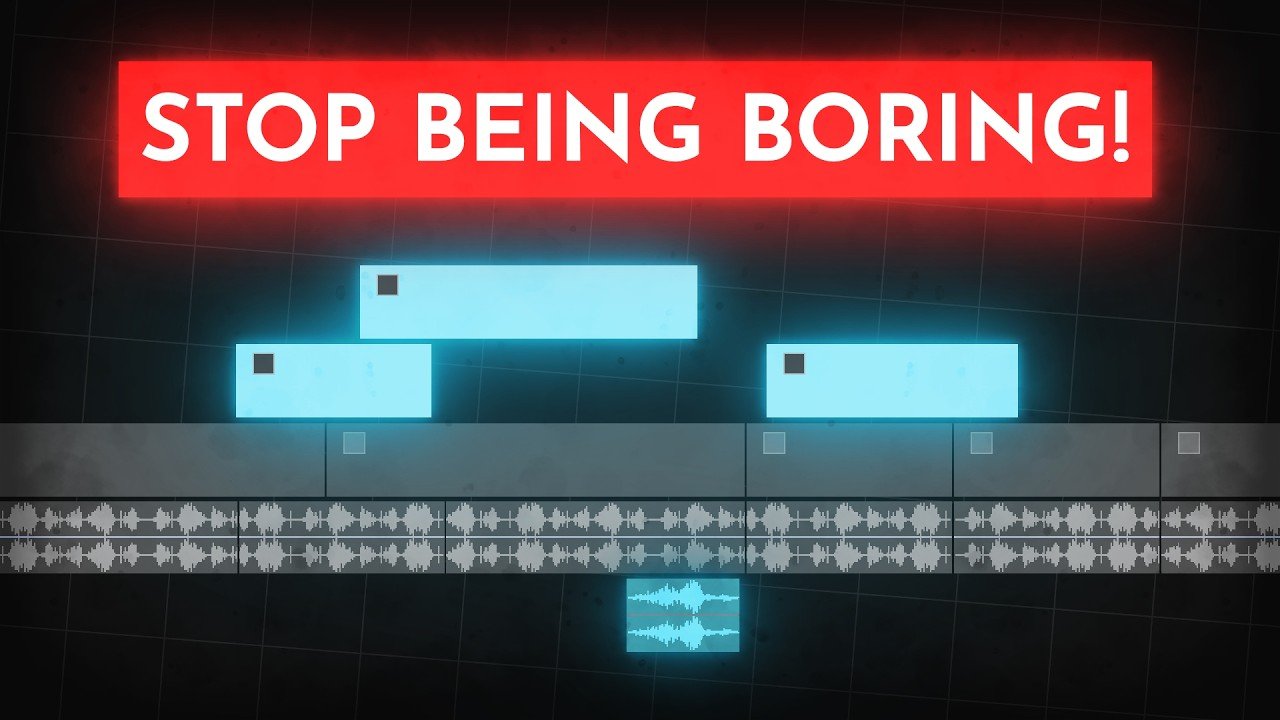
A color-coded editing timeline Leo shows as a reference point sits on screen long enough to read: multiple track layers, graphic elements stacked against audio cues, visual markers aligned to topic shifts. It is dense in a way that is not decorative.
The four pillars are a starting point, not a ceiling. Leo frames the entire formula as a map for knowing which specific tutorials to seek out next, because understanding why a technique works is the prerequisite for executing it correctly. Sam’s 26-minute video with 17 cuts and Mr. Beast’s frenetic pace sit at opposite ends of the same spectrum, and every creator’s job is to figure out exactly where their viewers want to be on it.
 Wake up to Only Happy News!