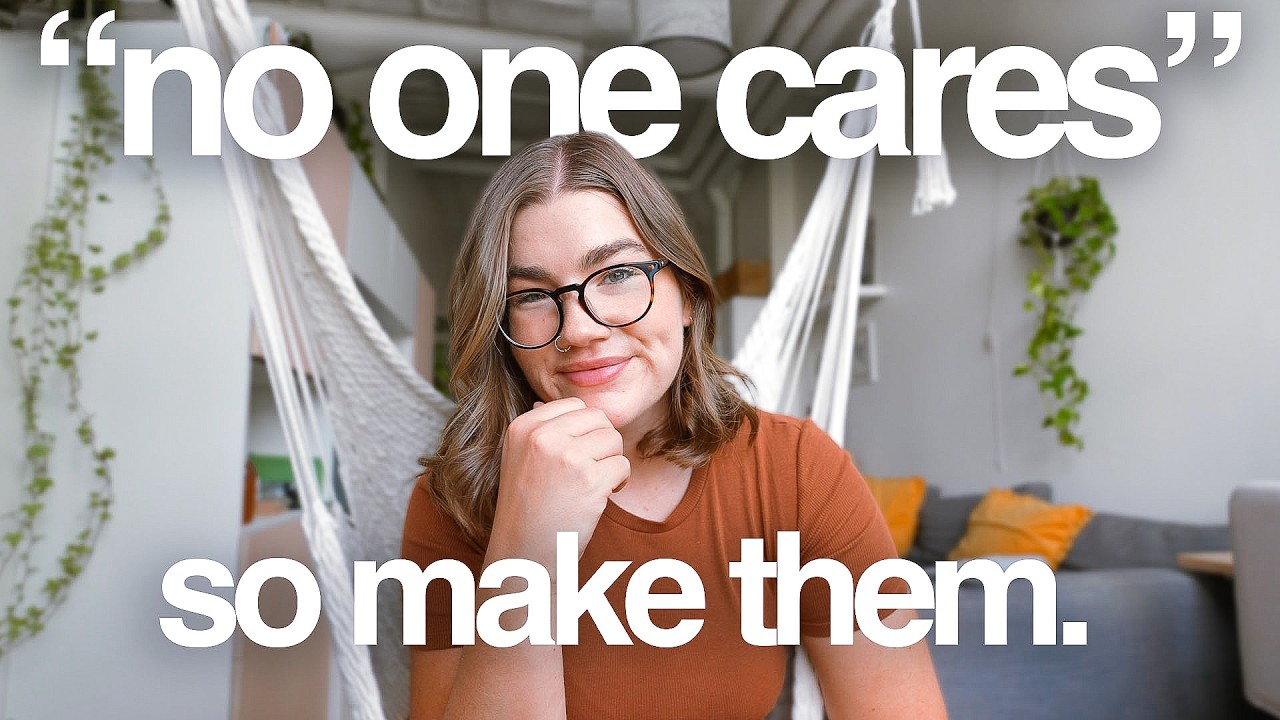
Katie Steckly was standing outside with her camera, ready to vlog, the day she hit 100,000 subscribers. She had spent years telling herself that number would finally make filming in public feel less awkward, that it would justify the whole thing. Then the milestone arrived, she stepped outside, and felt just as insecure as ever. For anyone building a channel right now and quietly waiting for a subscriber count to give them permission to feel like a real creator, Steckly’s fifteen years of hard-won experience land as something closer to a relief than a lesson plan.
Why your audience needs a reason to care before they care about you
The most common piece of YouTube advice circulating right now is blunt: no one cares about you. Steckly thinks that is only half the truth. Strangers will not immediately tune in for your morning routine, she agrees, but they absolutely can be made to care over time. Her framework borrows from something everyone has experienced at a party. Meet someone who immediately starts monologuing about their own life without asking a single question, and you want to know less about them, not more. Show up curious about the other person first, and they naturally become curious about you in return.
The online equivalent of that curiosity is not just education. Steckly is direct on this point because most YouTube strategy content comes from educators, so education gets treated as the only form of value worth offering. Entertainment, companionship, inspiration, and what she calls being a comfort creator are all legitimate reasons someone might spend fifteen minutes with your content. Build from that audience-first question and the loyalty follows. It is slow, but it compounds.
Her second lesson pushes back against keyword-stuffed titles with equal directness. She offers three real comparisons from her own channel: a camera comparison that could have been titled with model numbers and spec language was instead published as ‘Exposing DJI’s secret camera copy.’ A lifestyle advice piece that could have read like a search query became ‘Your life is boring, but your vlogs don’t have to be.’ Writing titles in the second person, she argues, is especially effective because ‘it feels like it’s speaking directly to them.’
The packaging problem nobody talks about until it is too late
Lesson six is the one Steckly says cost her the most time. She spent years scripting, filming, and editing a video before trying to figure out the title and thumbnail, which left her with great content and no packaging. Her fix is what she calls the Frankenstein method: three completely separate lists of title ideas, thumbnail tagline text, and video concepts, mixed and matched independently so the strongest version of each category is always available.
On the business side, she is unusually candid about brand deal negotiation. Her primary income as a creator is brand deals, she says she does over six figures a year in that revenue, and she has never had an agent or a manager. The industry standard manager cut runs from fifteen to twenty percent of whatever the brand pays. Her read on what managers actually do is characteristically unsparing: ‘these agencies, these managers, they are not pitching for you. They’re just responding to emails that are already coming to your inbox.’
Lesson nine is the one she predicts no one wants to hear. Early in her career as a freelance videographer, she volunteered with a local charity she supported, making content for their social media pages in exchange for portfolio work. She is careful to frame it as a stepping stone, not a destination, and warns against getting locked into a cycle of product-trade content with no path to actual payment.
The tenth lesson loops back to where this all started: outside with a camera, feeling watched. More subscribers, she is now certain, will not fix that. The confidence has to be chosen before the numbers arrive, not borrowed from them.
The condo that made fifteen years of B-roll
The filming space visible throughout this particular batch of videos, a condo Steckly has used as her studio backdrop for years, is about to change. She is moving, and this is the last YouTube content filmed there, though she notes she has too much existing B-roll from the space to stop using it immediately.
When Steckly hit 100,000 subscribers and walked back outside to keep vlogging, the insecurity she had expected the milestone to erase was still there, unchanged. She is still working on it, she says, fifteen years in. The subscriber count never became the thing she had imagined it would be, and she thinks the sooner a new creator stops waiting for it to, the faster everything else gets to start.