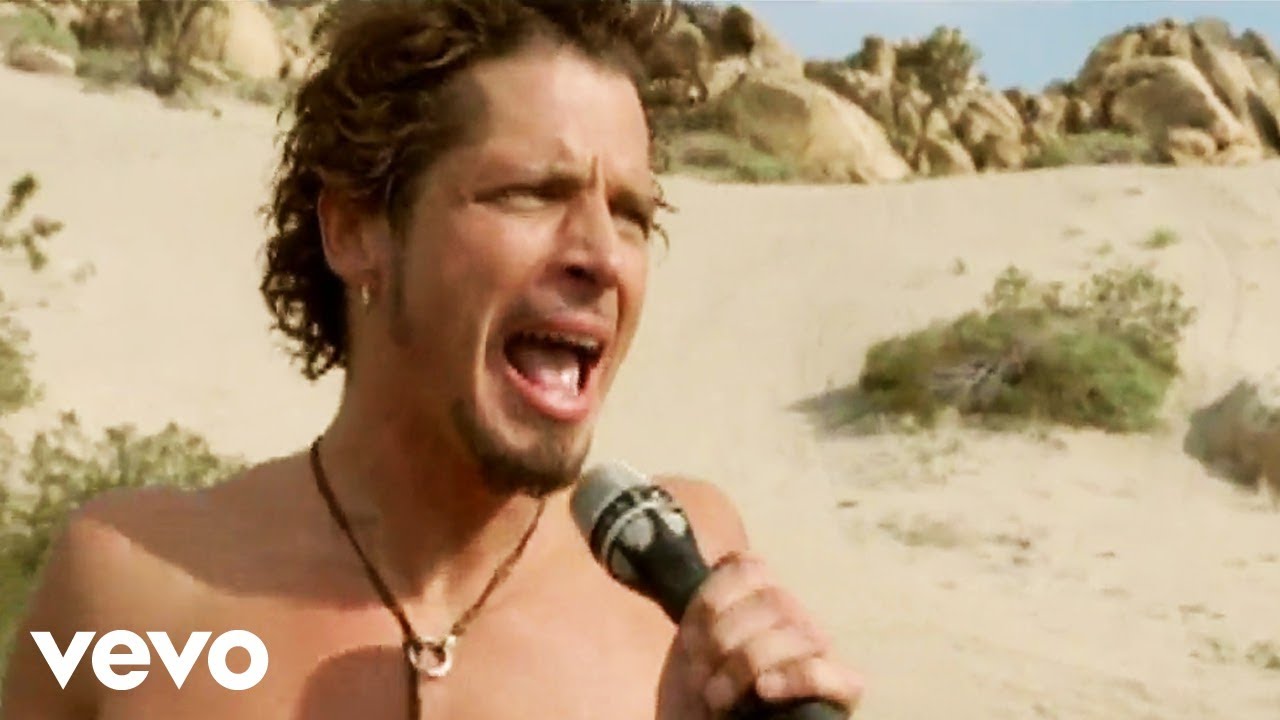
The radio announcer’s voice cuts in before a single note drops, setting the scene for something that is less a song introduction and more a declaration: ‘This radio station was named Audioslave, in honor of the last American hero to whom speed means freedom of the soul.’ That framing matters because it tells you exactly what kind of listening experience is about to happen. ‘Show Me How to Live’ is not a track designed for background noise. It is a song built around a question urgent enough to wake you at 3 a.m., and the opening announcement raises the stakes before the first guitar chord has a chance to answer it.
A sleepless narrator reaching for something solid
The song wastes no time with pleasantries. The narrator is up with the early dawn, moving right along, unable to buy an eyeful of sleep. Under satellites and in the aching night, he is not received by whatever force or person he is reaching toward. The imagery that follows is tactile and strange in equal measure: stolen parts, a telephone in the heart, a ringing in the head that might be a cure or might be a disease. The uncertainty is the point. The song does not resolve the question of whether the narrator is broken or becoming; it holds both possibilities in the same fist.
The chorus arrives like a physical event. ‘Nail in my hand from my creator, you gave me life, now show me how to live.’ The line is not a gentle inquiry. It is a demand leveled at whoever handed down existence without attaching a manual. Chris Cornell delivers it with the kind of controlled force that reminds you why that voice was considered, by almost everyone who heard it, to be genuinely unrepeatable.
When readiness is the only answer available
The second verse sharpens the confrontation. The narrator turns back toward the creator figure with something close to a warning: ‘You thought you made a man, you better think again, before my role defines you.’ The power dynamic has shifted. The one who was made is now holding the maker accountable for the terms of the arrangement.
The bridge strips everything back to pure intention. ‘And in your waiting hands I will land and roll out of my skin, and in your final hours I will stand ready to begin.’ The phrase ‘ready to begin’ repeats four times, and each repetition feels less like a lyric and more like a decision being made in real time. The announcer’s opening question, ‘who is gonna stop him?’, finds its answer here: nobody, because he is not running from anything. He is running toward the beginning.
The announcer’s voice, still unanswered
The radio station introduction, with its talk of speed and the soul and the last American hero, hangs in the air long after the final chord.
The question it raised was never who could stop him. It was always whether anyone would bother to show him the way.