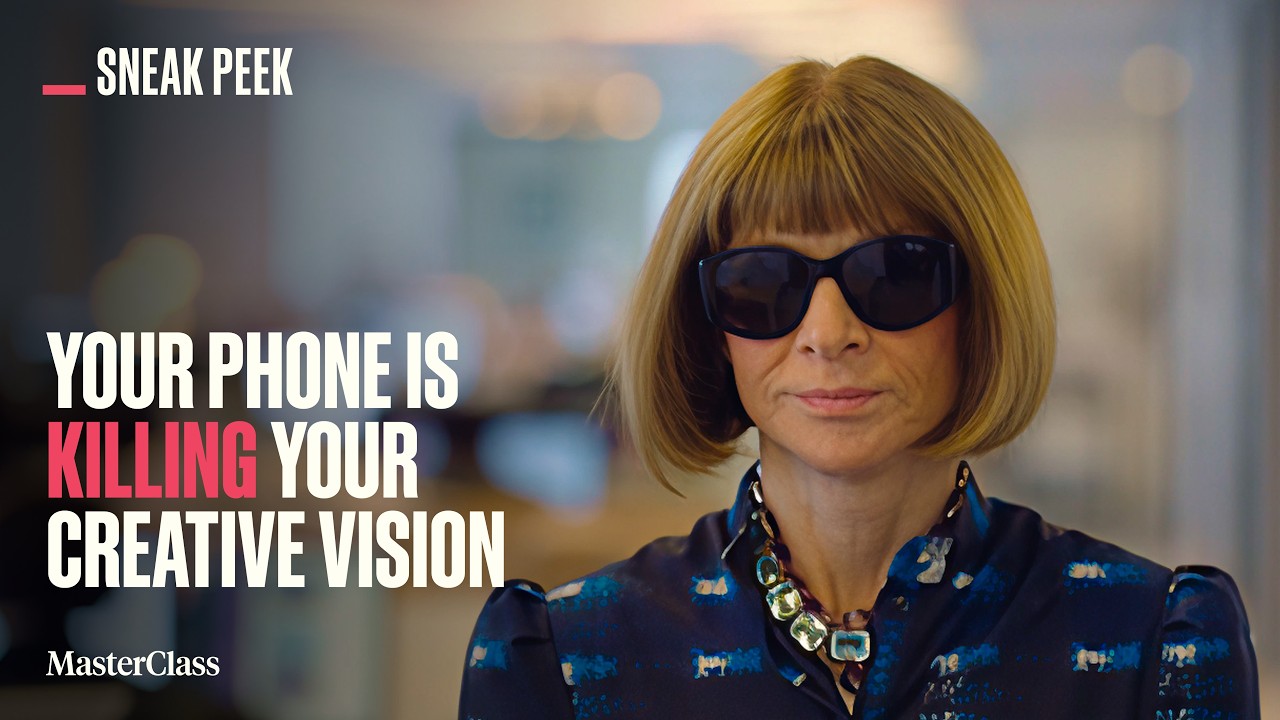
Anna Wintour has sat across from hundreds of nervous candidates hoping to work at Vogue, and she has a confession that would have saved most of them a sleepless night: she barely registers what they are wearing. The editor whose approval has defined fashion careers for decades is far more interested in what a candidate has read, which films have moved them, and whether they can say honestly and clearly why they want to be in that room. In a class preview from MasterClass, Wintour lays out an interview philosophy that cuts straight through the anxiety most job-seekers waste on surface appearances.
The trap of telling them what they want to hear
Wintour opens with a blunt warning that trips up far more candidates than a wrong outfit ever could. She has heard countless people claim a deep love of tennis who have, she says plainly, ‘obviously never been to a tennis match in their life.’ The instinct to mirror back whatever the interviewer seems to value is understandable, but she sees through it immediately. Her actual standard is simpler and harder to fake: be on time, be prepared, and be direct about what you genuinely want to do with your life. When a piece of information came across her desk, a feature on The Cut in which ten young women described the extraordinary care they had each put into choosing an interview outfit, her reaction was not admiration. It was mild surprise that they had spent that energy on the one thing she does not prioritize.
What she is actually measuring is harder to manufacture overnight. She wants to understand who someone is at depth, not the polished version assembled for the meeting, but the real shape of a person’s curiosity and ambition.
How taste actually grows over time
The second half of Wintour’s guidance moves away from interviews entirely and into the longer question of how a creative sensibility develops. Her view is that the seed is present early, but the growth is earned through exposure: museums, reading, paying attention to what is happening in the world around you. She is particularly pointed about screens. ‘There is nothing as rewarding as seeing something in person,’ she says, and the implied advice is to log off and go stand in front of the actual thing.
She also offers genuine reassurance to anyone anxious about where they are in their development. Greatness from the very beginning is rare, she notes, and even early collections from designers who later became defining figures often show only a kernel of what they would become. Talent and voice take time. The accumulation of things seen and experienced feeds into whatever someone is eventually making or editing or building.
The closing thought is the one she returns to most insistently: the moment a person starts tracking what the person to their left or right is doing, clarity of thought starts to slip. Listen to the information, absorb it, then let the answer come from who you actually are.
A question still sitting in the room
The ten young women from The Cut, each of whom spent real time and care on what to wear to meet Anna Wintour, now know what she was actually paying attention to.
For anyone preparing for an interview at a fashion or media company, the practical upshot is the same one Wintour has always lived by: develop a genuine point of view, be honest about what you love, and trust that the person across the table is trying to find out who you actually are.