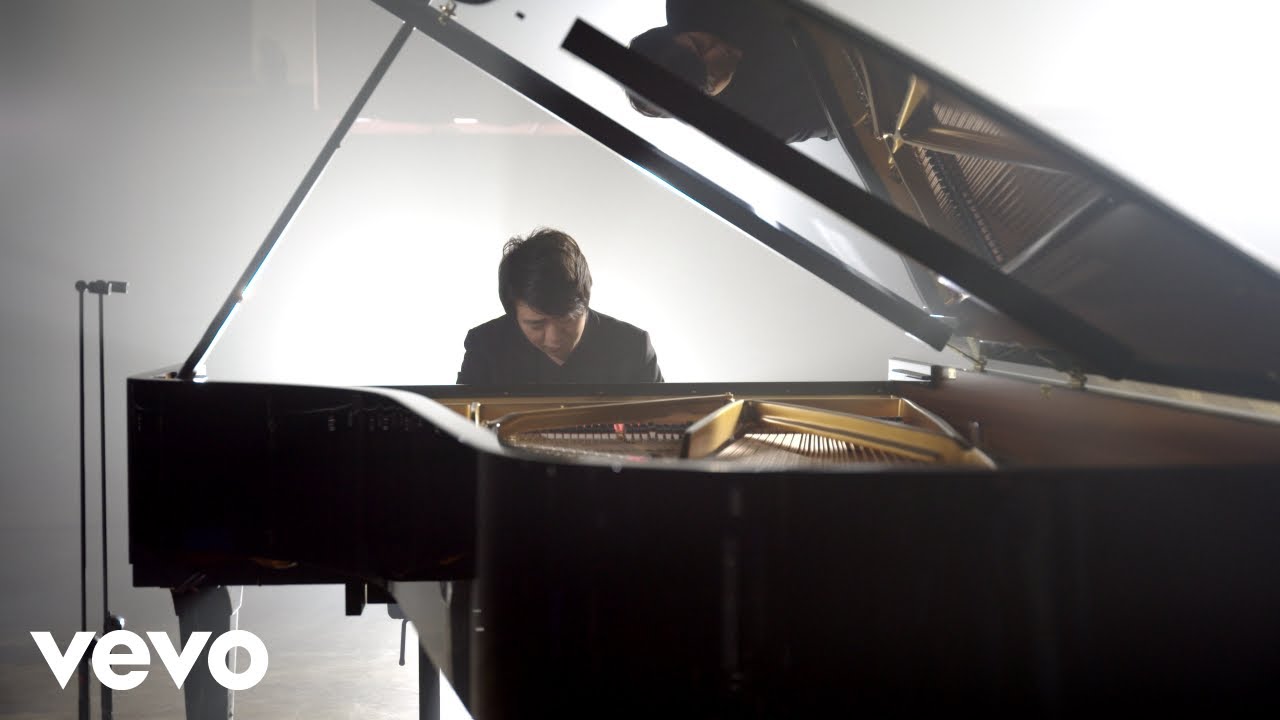
Lang Lang sits at the piano, and for a few minutes the world outside stops mattering. The Bach Goldberg Variations Aria is one of classical music’s most quietly devastating pieces, a melody that has outlasted every era it has passed through. What a single pianist can do with it, in a single unbroken sitting, is the entire point.
A melody that refuses to hurry
The Aria that opens Bach’s Goldberg Variations, BWV 988 is not a dramatic statement. It does not arrive with orchestral weight or a grand announcement. It moves at its own pace, each phrase turning back on itself with the calm logic of someone who has already decided nothing needs to be proven. Lang Lang, whose technique has filled concert halls from Berlin to Shanghai, brings that same unhurried clarity to the keys here. The notes are not rushed toward a destination. They are placed, one after another, with the kind of patience that reminds a listener what patience actually feels like.
The Goldberg Variations as a whole is a towering architecture, thirty variations built on a single bass line, but the Aria is the doorway. Bach wrote it to be returned to at the end, so the piece closes the same way it opens, the melody unchanged but the listener entirely different for having traveled through everything in between. In this performance, only the Aria itself is offered, which means the whole weight of that round trip lands in a single sitting.
What the silence between notes carries
There is no narration here, no stage introduction, no applause. The music begins, continues, and ends. That absence of ceremony is its own kind of statement. Lang Lang has described the Goldberg Variations as music that ‘speaks to the soul directly,’ and in a stripped-back solo setting, with nothing between the pianist’s hands and the listener’s attention, that directness is exactly what arrives.
The Aria’s upper voice carries the recognizable melody while the left hand traces the harmonic foundation below it, the two lines in conversation without ever competing. In Lang Lang’s hands the balance between those voices stays clean throughout, neither overwhelming the other, the ornamentation falling into place without flourish for its own sake.
The piano, after the last note
The final chord fades and is not replaced by anything.
The Aria’s last phrase settles and then the room is whatever the room is, a desk, a commute, a kitchen, wherever the listener happened to be. Bach’s opening melody, written in the early eighteenth century and played here on a modern concert grand by one of the most recognized pianists alive, lands in the same place it always has: directly in the body, before the mind has time to categorize it.