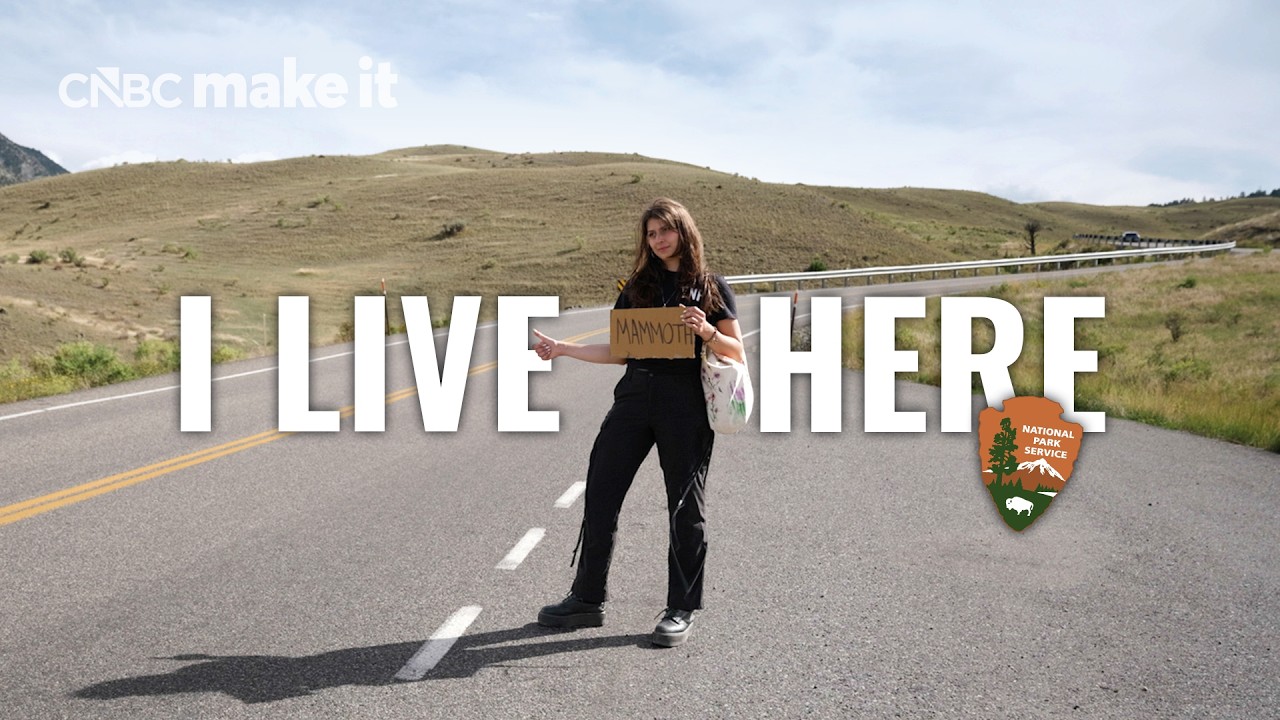
Zoe de la Paz boards the employee shuttle at 6:45 every morning in Mammoth Village, Wyoming, heading to a sewing room just across the Montana border inside one of the most visited wilderness corridors on earth. She is 26, earns $19.25 an hour, pays $96 a month in rent, and carries a handwritten hitchhiker sign in her bag at all times that reads ‘park employee’ so strangers know she is not a threat. Less than six months before this, she was badging into a Chicago office as a mechanical designer pulling $75,000 a year, staring at a screen, and quietly running out of reasons to show up.
From a basement Singer machine to The Weeknd’s wardrobe crew
Zoe never took a single official sewing class. She picked up the craft at 14 in the basement of her childhood home in a small town, working with her grandmother’s old Singer sewing machine, filling the hours that a quiet upbringing left open. The hobby stayed a hobby for years, running quietly beneath a mechanical design career that paid well and felt hollow. The corporate job was not dramatic in its misery, just airless. She had no emotional connection to the work, and she could feel burnout arriving on a schedule.
The turn came when she started catering part-time at a Chicago nightclub after her 5 p.m. clock-out, hunting for some edge of the art world she could grab onto. One morning, working the breakfast line at a concert venue, the wardrobe team for The Weeknd needed a last-minute seamstress. Zoe scrawled her name and number on a piece of paper, passed it across the buffet, and told them she could sew. They called. She started scraping together every hour of PTO and sick leave she had to work 10, 12, sometimes 14-hour sewing days on tour. ‘It did feel like I was living a double life,’ she said, ‘because I was pursuing this thing that made me feel so alive.’
A friend sent her a quote she could not shake: ‘Leap and the net will appear.’ She quit the corporate job and eventually landed a seasonal seamstress contract at Yellowstone, mending and tailoring every uniform worn by the park’s concessionaire staff. On a busy day that means hemming and repairing up to 40 pairs of pants, fixing button snaps, and salvaging damaged jackets so they do not end up in a landfill.
What $96 rent and a $6 rodeo bus ticket actually look like
The financial architecture of life inside the park is its own education. Zoe shares the largest dormitory available in Mammoth Village with one roommate. A monthly meal plan costs $359 and covers all the employee dining rooms spread across the park, which also means she carries no grocery mental load despite loving to cook. She has built $11,000 in savings. She does not have a car, so she hitchhikes with her signed card and uses the employee shuttle that runs her to work, back for lunch, and home for dinner each day.
The park’s employee activities group keeps the off-hours full at prices that barely register: a full-moon hike on Elephant Back mountain cost her $4 for a ride there and back. A bus to the Cody Rodeo in Cody, Wyoming ran $6 round trip. In July, a two-week 40% staff discount at the gift shop let her knock out most of her Christmas shopping early.
She earns less per hour than she did in Chicago. She says the trade is not even close.
The hitchhiker sign she keeps in her bag
A small handwritten card, worn from regular folding, sits at the bottom of Zoe’s bag wherever she goes inside the park. One side shows the destination. The other reads ‘park employee.’
After her Yellowstone contract ends in late September, the fashion and entertainment world is pointing her toward Los Angeles or New York. She is not sure yet which direction the net will appear. What she is sure of is that wherever she lands, there will be a sewing machine in front of her, and she will not be watching a clock waiting for 5 p.m.