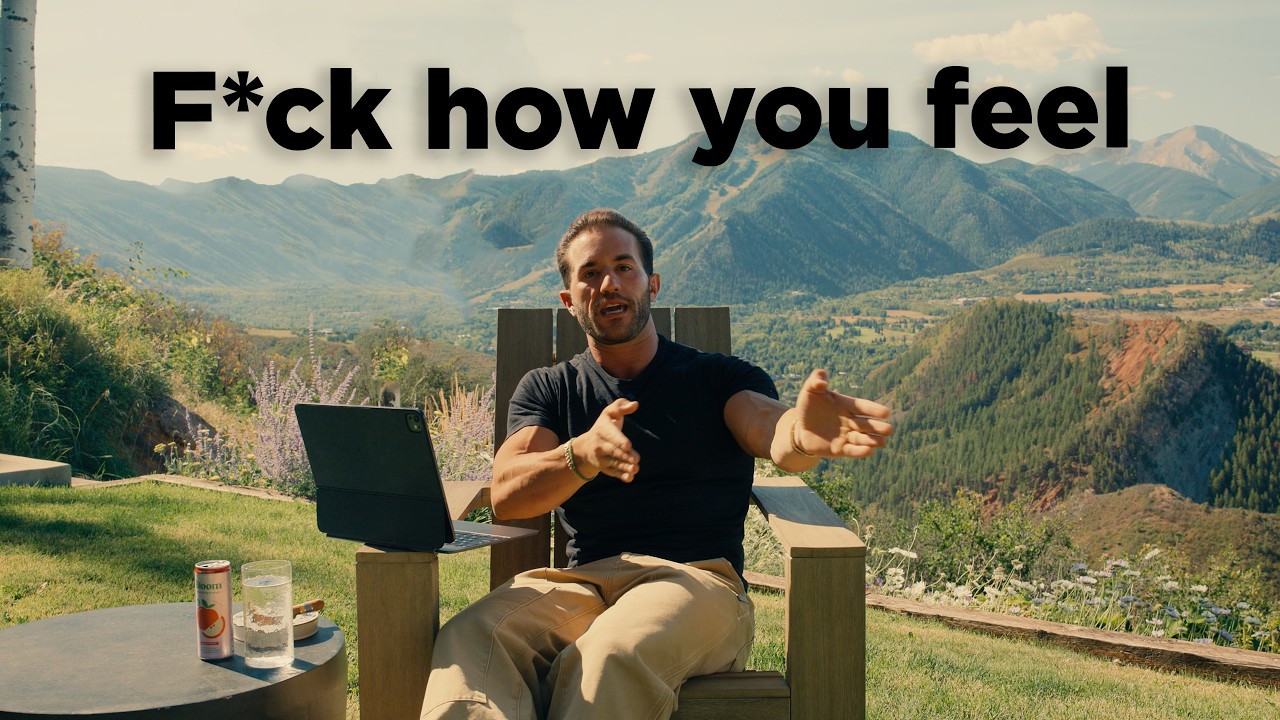
Greg LaVecchia was playing fetch with his dog Lulu in the backyard of his Aspen, Colorado home on a Wednesday morning when he paused mid-throw to make a confession: two months earlier, he had written a check for $10 million because he overproduced root beer soda and it was going to expire. He did not spiral. He did not quit. One month later, Bloom launched Pear Scare, a new energy drink that he says has already outperformed everything that came before it. That is the operating rhythm of the man who co-founded Bloom with his wife in 2019, starting with no money and a 2.4 GPA, and has since built a beverage brand now approaching half a billion cans sold in just two years since launching its energy drink.
The plan beats the mood every time
Lav’s first lesson is mechanical: write the workout schedule on Sunday, follow it on Thursday, skip the decision entirely. He describes an earlier version of himself who made choices based on emotion, whether to heal an old wound or to beat a competitor who no longer exists. He recalls matching a rival brand’s Black Friday discount just to outrank them on Amazon, a move that served his ego and hurt the long-term health of the brand. ‘Stick to the plan, not your mood,’ he says flatly, and his point is that removing emotional decision-making from daily operations is what lets a business survive long enough to compound.
The same logic applies to who gets a vote on your direction. Lav draws a hard line: if someone has not done the specific thing you are trying to do, their opinion is not relevant data. That includes well-meaning parents, university professors, and longtime friends. He is not dismissive of these people, only precise about what their input is worth when they have never participated in the current environment where, as he puts it, 25-year-olds are building brands of real enterprise value and doing in under 10 years what used to take 60.
Being a nobody is the actual advantage
The centerpiece of Lav’s argument is the one that surprises most people: anonymity is armor. When you are unknown, you can take five losses in a row and no one notices. When you are Bloom, a $10 million write-off makes news. He describes his current position with something close to envy directed at anyone just starting out, because they can swing without consequences, iterate without reputation damage, and enter any arena without the weight of public expectations. ‘You are covered in bulletproof armor,’ he says. ‘Enter the arena swinging with everything you have because you truly have nothing to lose.’
That framing extends to how he thinks about winning and losing altogether. He was asked recently whether he loves winning or hates losing. His answer: neither. ‘All I care about is the experience that I get from every decision that I make.’ The losses, including being kicked out of major retailers, carrying eight figures of debt, and coming hours away from mass layoffs at Bloom, are not interruptions to the story. They are the story. Each one built the operator who could handle the next, larger problem.
He is not suggesting the road is comfortable. He describes returning to a family Christmas after five years of missing them, only to receive a call the moment he arrived: four 18-wheelers loaded with Bloom’s greens product had been stolen. He had to leave and deal with it. The fires, he says, never stop. The goal is to love the heat.
The moment Lulu needed a break
Halfway through the session in Aspen, Lulu had been chasing the ball longer than she probably wanted to. Lav noted it with a laugh, then kept going.
Seven years ago, Greg LaVecchia and his wife launched Bloom with no money and no reputation. Today, the energy drink they added just two years ago is on pace to cross half a billion cans sold, putting the brand in conversations alongside Monster and Red Bull. The regret of not trying, he keeps coming back to it, is the most expensive thing on the planet. The other option, the one he chose, just costs Wednesday mornings in Aspen with a dog who eventually gets tired of fetch.