Singapore’s smooth-coated otters are back in the waterways, drawn by water clean enough to support them again after decades of urban pressure nearly pushed them out entirely. That return is not an accident. It is the result of a decades-long, city-scale experiment in designing urban space with other species in mind, and its results are reshaping what planners think a city can actually be.
Two million trees and a bet on biodiversity
Over the past 45 years, Singapore has planted 2 million trees across its streets, rooftops, parks, and waterways. The scale of that effort has produced something measurable: the city is now richer in species than any other city in the world. The greening extends into every part of the urban fabric, from cleaned-up canal corridors that welcomed the otters back to walls and rooftops threaded with living plants.
The logic behind it is straightforward: create the space and the animals will come. Singapore’s planners took that principle and applied it at a scale most cities have only theorized about. The result is a functioning urban ecosystem, not a park surrounded by concrete, but a city where nature is woven into the structure itself.
Supertrees that are actually alive
The most striking physical expression of that philosophy is a grove of metal structures rising 150 feet into the city skyline. These supertrees, as they are known, are engineered frameworks now covered in living creepers planted to climb across their outermost branches. What began as steel scaffolding has become canopy.
The same principle is playing out on a residential scale in Milan, where a single tower is rising nearly 30 stories with close to 800 trees planted into its facade. That number of living trees would normally fill 2 hectares of woodland; on the building, they occupy roughly one-tenth of that footprint. It is vertical compression of a habitat that would otherwise require open land.
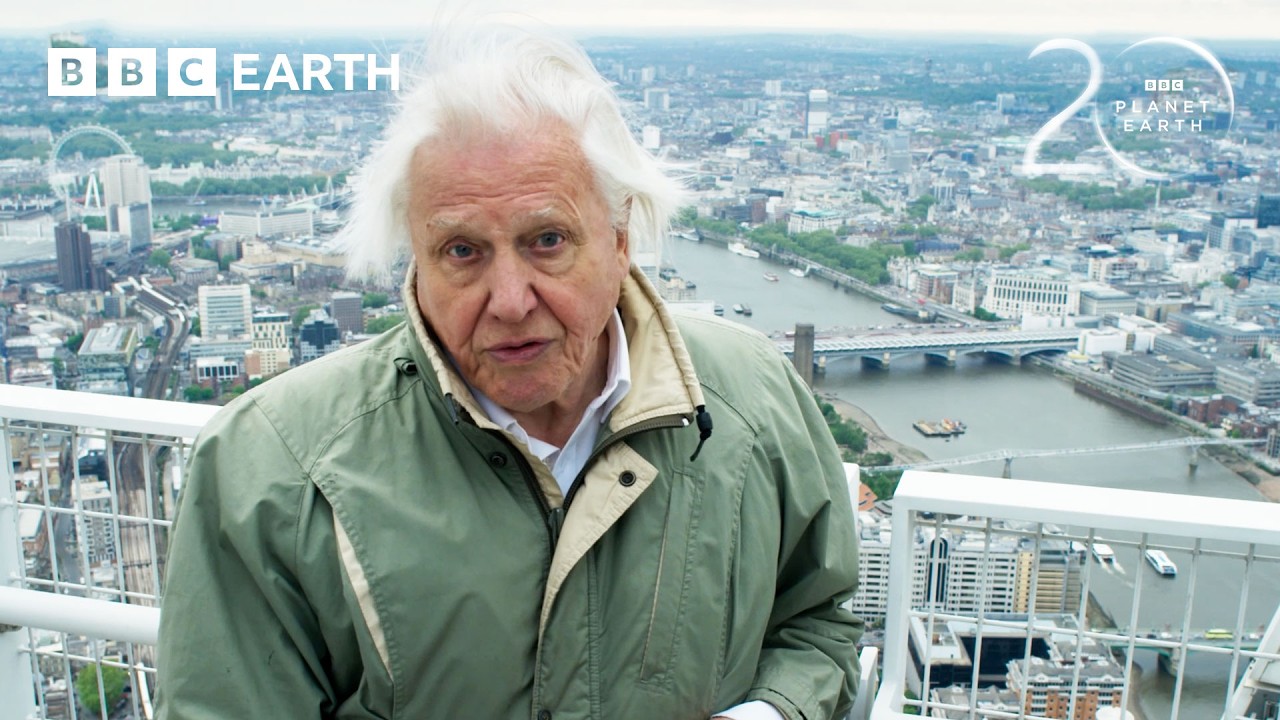
Taking stock of both projects, the narrator of the Planet Earth II documentary put the stakes plainly: ‘We, after all, are the architects of the urban world.’ More than half of humanity now lives in cities, which means the choices made in designing those cities are the choices that will determine how much room is left for everything else.
The otter that swam back in
One smooth-coated otter, moving through a waterway clean enough to sustain it, carries the argument better than any planning document could.
Singapore’s 45-year project shows that the timeline for ecological recovery inside a city is real but long, and that the payoff is not abstract. Species come back when the conditions return first. The supertrees are still filling in, the creepers still climbing, the canopy still thickening over a city that decided, at some point, to make room.
 Wake up to Only Happy News!