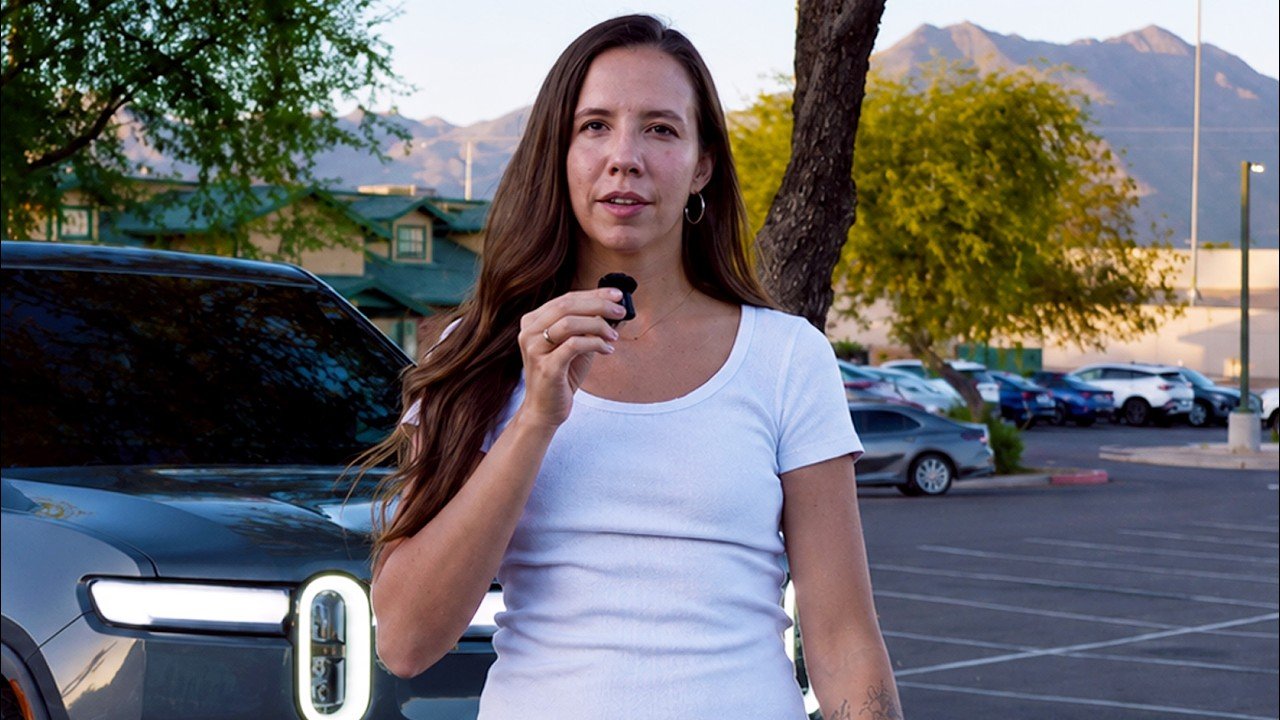
Julia McCoy was standing outside in 112-degree Arizona heat, nowhere near a desk, when her clone closed a $5,700 deal without her. The sponsor paid for ten minutes of the clone’s time on a channel Julia neither filmed for nor published to that day. For anyone grinding through a business that stops the moment they step away, that single number carries a particular weight. The path to it, though, was not a growth hack. It was a health collapse.
The trap she built without knowing it
In the fall of 2024, Julia was running her AI company on 100-hour weeks. She had sold a 100-person writing agency in 2021 after spotting what generative AI was about to do to knowledge work, then gone all-in on building a new company in the space. By her own account, everything in the business depended on her face, her voice, and her physical presence. ‘My time was the machine,’ she said. Then a toxic partnership, severe burnout, and a long-haul illness left her bedridden for 11 months. She could barely pick up a plate to eat. The question she faced was stark: shut the business down or figure out how to remove herself from it entirely.
One month before the health crash, in December 2024, she had stumbled onto a viral post from the founder of a digital avatar platform and started testing the best AI avatar software she could find. That timing turned out to be the only thing that kept her company alive. She built a voice clone in ElevenLabs and an avatar in HeyGen, and the clone became what she relied on every single day while she could not get out of bed.
What the clone actually does now
The operation today runs on Claude as the core model, connected through an MCP server to her calendar, Gmail, and a suite of other tools. Julia wears an AI notetaker called the Plaud, which runs continuously and feeds her spoken thoughts directly into Claude. Instead of sitting at a computer to research and draft scripts, she walks outside and dictates ideas in the open air. ‘The idea is richer,’ she noted. ‘I’m not squished between meetings.’
Thirteen Claude skills handle the operational layer: drafting email replies, sending a daily brief each morning at 6:30 a.m. summarizing every important message, and running the YouTube content production workflow alongside a team of five editors. The clone’s best-performing video cleared 800,000 views on a piece Julia did not film or touch. The channel has continued growing even through the YouTube algorithm updates that hit many AI-focused channels hard.
The business crossed three million dollars in annual revenue, built in under 15 months, with Julia working roughly three hours a week. She still has a team of 15 people, and she is clear that the clone would be nothing without the storytelling skills of the production and media team behind it.
As she put it bluntly about what she will never hand to the machine: ‘Human judgment, real relationships. Sorry, AI can’t do it.’
When the phone shows $5,700
Later that Thursday evening, Julia opened Stripe. The number on screen was $5,700. Five thousand of it traced back to one sponsored video the clone produced and published without her involvement from start to finish. The rest came from her AI school and other automated revenue streams. The YouTube studio showed a video published one day earlier sitting at a 6.8 percent click-through rate with average view duration over four minutes.
She reads her own comments and replies to many of them personally. That part, she said, she has no interest in delegating.
The mannequin outside the shop
A mannequin in a store window caught her eye mid-walk, its head at an odd angle, dressed in clothes she half-admired. She stopped, looked at it for a beat, and said she thought an AI could design something better, then laughed and admitted she was too tired to finish the joke.
She left it there and kept walking home through the Arizona dark, no deadlines waiting, her clone still on the clock.
 Wake up to Only Happy News!