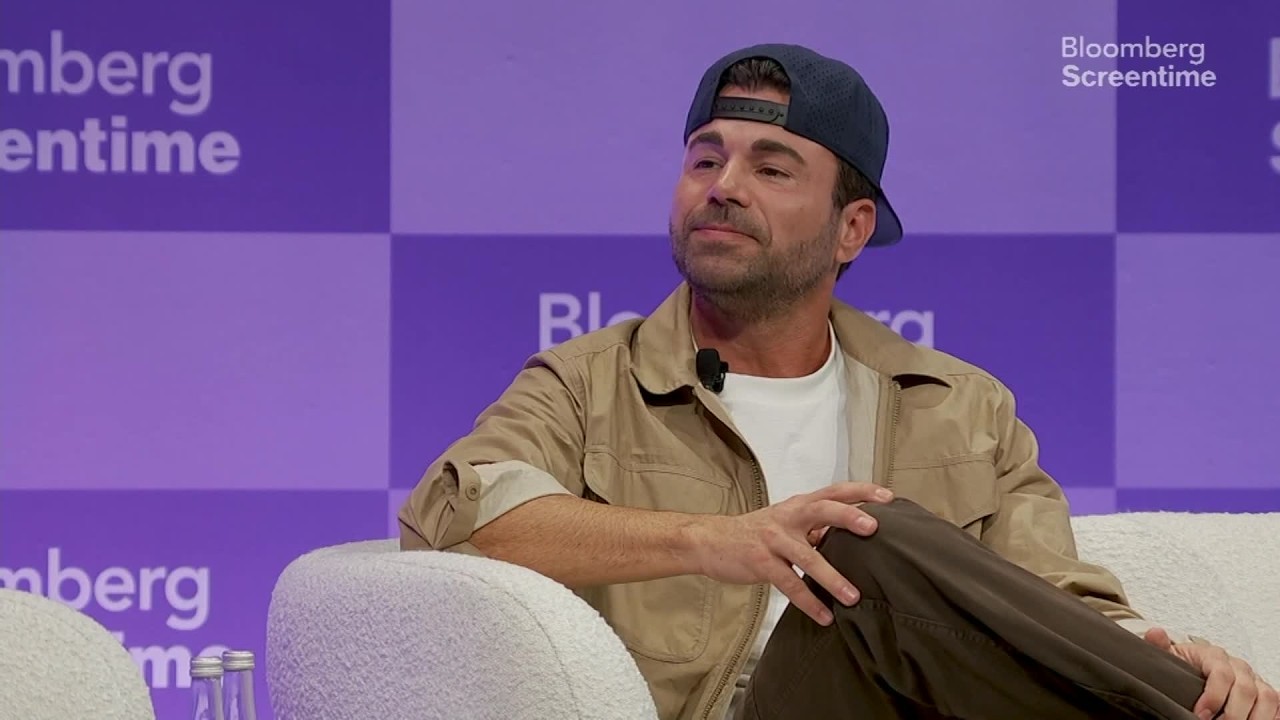
Mark Rober describes being famous among ten-year-olds as running on a different kind of fuel. When a kid gets starstruck and the two of them just talk, he says, there are no ulterior motives. That moment, he insists, is his battery pack. It is also the engine behind a company now employing 200 people, a free science curriculum budgeted at more than $60 million, a Netflix game show, and a YouTube channel sitting at 83.3 million subscribers. The question worth asking is how a former NASA engineer and Apple employee turned a genuine obsession with childhood curiosity into one of the most watched educational brands on the planet, and whether the whole thing can outlast the person who built it.
The half-million-dollar video and the business behind it
Most popular YouTube productions now cost at least $10,000 to make, and Rober puts his own average spend at roughly half a million dollars per video. Crunch Labs runs the production side to breakeven, treating the content itself as a distribution channel for the toy subscription business and the broader brand rather than as a direct profit center. The company started with a $3 million personal investment from Rober and reached positive cashflow within six months. That was five years ago, and outside capital is not part of the current plan.
The formula Rober uses to justify that spend is what he calls ‘hiding the vegetables.’ The viewer thinks they are watching the world’s largest Super Soaker or an egg dropped from the edge of space. They are actually absorbing physics. The egg drop project, he notes, carried a full year of documented failures before the successful drop, and every one of those failures stayed in the final cut. The struggle is not edited out; it is the point. Rober put it directly: ‘We’re not the company that invents the cure to cancer, but we’re the company that inspires the person who will.’
That same logic is driving Class Labs, a nonprofit curriculum for third through eighth grade that will cost more than $60 million to develop and will be made permanently free for every teacher who wants it. The target is 80 percent of all classrooms by 2030. Teachers build the accompanying hands-on kits from materials already in their classrooms. Crunch Labs makes nothing from the program.
Netflix, YouTube, and the question of what authenticity is worth
The Netflix relationship brought a measurable lift to the toy subscription business, described as meaningful by Rober, and it also brought Sesame Street to the Crunch Labs studio, where Rober recorded a song with Elmo called ‘Failure is Awesome,’ heavily auto-tuned by his own admission. An original Netflix game show called Schooled puts 14 kids, organized into seven teams aged 9 to 17, through engineering challenges inside a converted school building where Rober plays the principal. The winning team takes home half a million dollars for college and an apprenticeship at Crunch Labs.
Rober is careful to frame this as addition rather than substitution. He considers himself a YouTuber first and says the platform’s core advantage is authenticity, something the generation currently growing up treats as non-negotiable. A polished network production placed on YouTube, he argues, simply does not perform, because the audience can sense the distance. The Netflix show is being produced with that tension in mind, deliberately breaking the fourth wall to keep the feel grounded.
The long-term ambition is a company that does not depend on any single person to keep running. Rober points to Walt Disney and Lego as the model: organizations that grew large while keeping their original character intact. What keeps him up at night, he says, is not shareholder return. It is whether the culture stays real as the headcount climbs.
The kid who first watched from a tripod
Rober filmed alone for a decade before he quit his job at Apple. He did not leave until the channel hit 10 million subscribers.
On the Schooled set, 300 people showed up each production day. He has seen both sides of the operation now, and he finds the contrast instructive rather than disorienting. The first video he ever posted is still public, still rough, and he says he loves that it is there for his son Dylan to find, proof that starting badly and improving is the whole game.