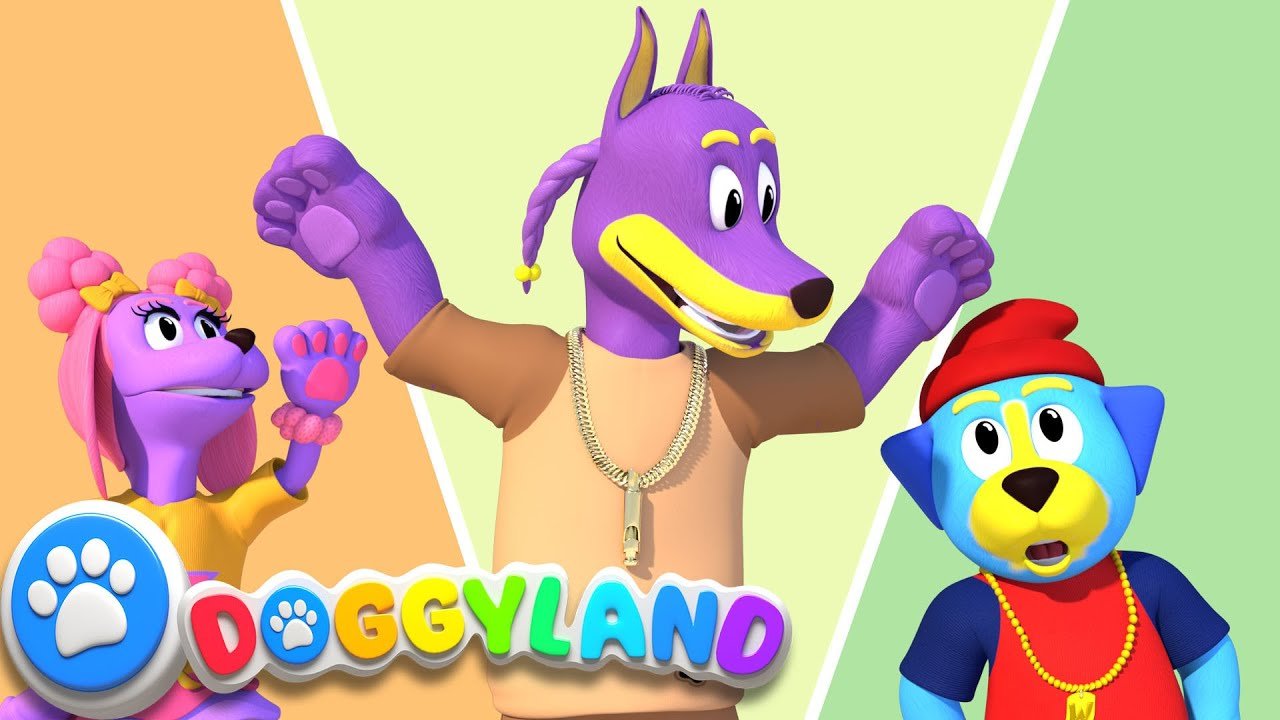
Bow Wizzle shows up to Doggyland with fresh braids, and a friend immediately wants the same look, right up until the compliment flips: without those braids, she explains, you’d never be able to see those big awesome ears. The exchange takes about four seconds and lands the entire point of what follows. For any child still figuring out what to do with the part of themselves that feels different from everyone else, a song that turns that feeling into a celebration is worth a few minutes of anyone’s time.
What the song actually tells kids
The opening between Bow Wizzle and her friend sets the table, then the music takes over. The chorus comes in direct and unhurried: ‘Everybody’s different, and that’s okay. Everyone is different, it’s better this way.’ It does not hedge or explain. It just states it as settled fact, which is exactly how young children absorb a new idea.
The verse that follows sharpens the argument. ‘Differences make you unique, the way that you look and how you speak.’ Then comes the contrast that gives kids something to actually picture: ‘If everybody was just all the same, it’d be so boring, tiresome, and lame.’ Boring and lame land harder with a six-year-old than any earnest affirmation ever could. The song earns its central lyric by making sameness sound like the bad deal it actually is.
The world-as-rainbow image comes in without leaning on it too hard. ‘The world we live in is like a rainbow, with different colors, but look at how we all glow.’ It gives kids a visual to carry home without turning into a poster slogan.
The line that sticks
The verse breaks open near the end with a pair of instructions that feel less like a song lyric and more like something a good coach says before the big moment: ‘You should wear your differences loud and proud. Believe in yourself and trust what you see. You just be you and I’ll just be me.’ That last line is the one that does the real work. It gives children permission without making it complicated. Be you. Let them be them. Done.
The song repeats ‘I’m different’ fifteen times across its final stretch, each pass layered and slightly different in tone, which is either a very deliberate production choice or a very good accident. Either way, by the end, the phrase has the quality of something practiced until it feels true.
Bow Wizzle, ears and all
Bow Wizzle’s braids are back in the frame at the close, and so are the ears her friend admired. The trade at the top of the song, one character wishing for something the other has, resolved not by getting it but by reconsidering what was already there.
The horn blows. The kids cheer. Doggyland moves on, and somewhere a child with an unusual laugh or a gap in their teeth or a way of talking that feels slightly off from everyone else’s has just heard, fifteen times in a row, that different is the good version.
 Wake up to Only Happy News!