
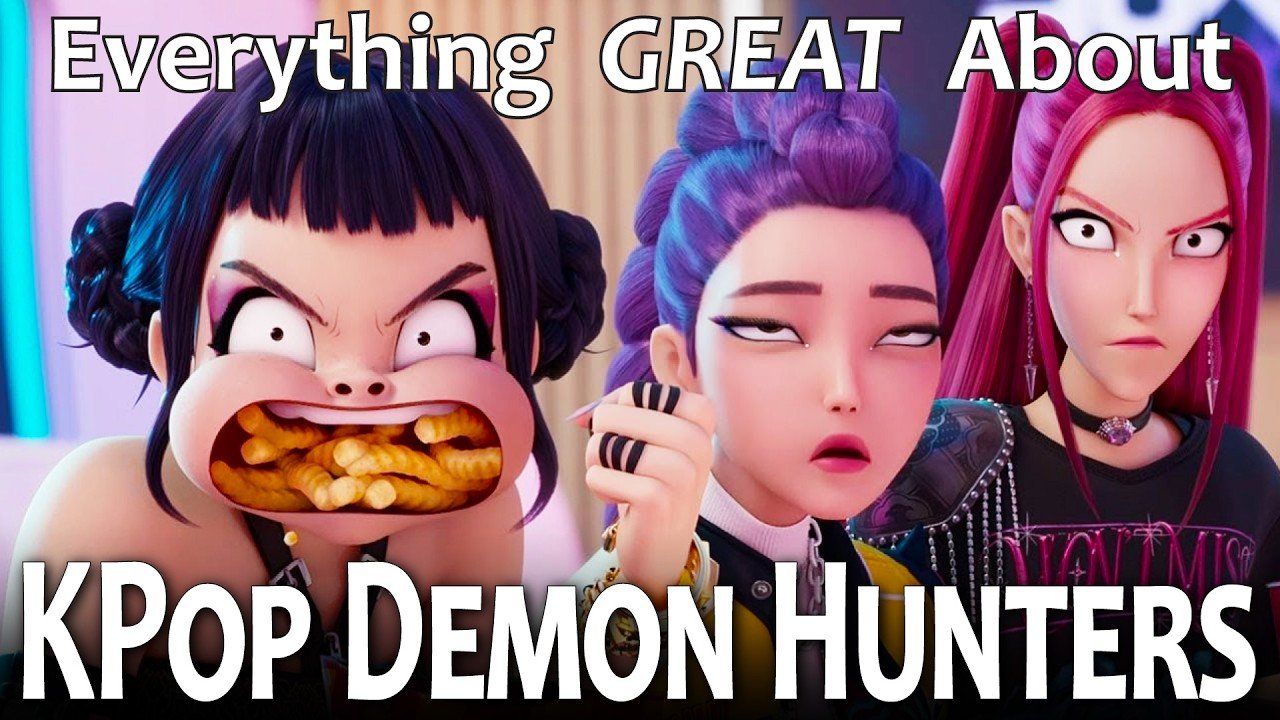
Zoe, the youngest member of Huntrix, throws a knife in perfect sync with a musical beat, and CinemaWins cannot stop talking about it. In a detailed celebration of Sony’s animated film KPop Demon Hunters, CinemaWins delivers a scene-by-scene breakdown that makes an undeniable case for the movie as one of the most thoughtfully crafted animated features in recent memory.
Roomie, Zoe, and Meera: Three Distinct Characters Tracked Beat by Beat
CinemaWins is unambiguous about personal allegiances from the outset: ‘Zoe is my fave.’ Zoe earns that designation not just through the knife-throw sequence but through a series of specific moments — her intense rap delivery, which CinemaWins notes appears to leave even her opponents stunned, her turtle strategy in combat, which the review confirms is not a one-off but a recurring character trait, and her role as the emotional catalyst who ‘opens the floodgates’ during the film’s most vulnerable group scene. Zoe also earns distinction for enjoying her opponents’ successes, which CinemaWins frames as a mark of genuine emotional generosity.
Roomie receives separate, detailed attention. CinemaWins tracks her vocal arc across the entire film, noting that the duet with Gu marks the precise moment she hits the high notes she had been struggling with — potentially reaching a C6 sharp, a range that genuinely puzzles the reviewer. Roomie’s character design choices also earn praise: flyaway hair and hunched posture are read as intentional storytelling devices, and the decision to write Roomie as 28 years old rather than in her late teens is called ‘a breath of fresh air for the genre.’
Meera, meanwhile, is tracked through her sharp humor, her ‘badass’ fight choreography, and a popcorn-eating reaction sequence that CinemaWins describes as a perfect ‘auditory and visual representation’ of emotional overload. The moment where Meera’s anger in a song appears accidentally directed at Roomie rather than the demons is flagged as a highlight of the film’s layered emotional writing.
The Han Moon, Villain Kima, and the Music That Powers Everything
CinemaWins reserves particular enthusiasm for the film’s central conceit: that Huntrix creates the Han Moon through song, and that same song can be transformed into weapons. The track ‘Golden’ is singled out as a likely awards contender. The song’s bridge, in which harmonies land on the word ‘harmony’ itself with a blend CinemaWins describes as physically tickling the back of the brain, is called the best song-and-scene combination in the film.
The villain Kima is identified as the frontman of the demon boy band Saja, a reveal CinemaWins greets with genuine excitement. Kima’s final defeat — driven not by violence but purely by Huntrix’s voices — is praised as one of the cleanest resolutions in the film. The Saja boys, notably, are introduced with immediate shirtless choreography, a deliberate contrast to Huntrix’s consistently comfortable, unsexualized wardrobe of hoodies and sweats that CinemaWins reads as an intentional and effective creative choice.
The real-world musical grounding of the film carries genuine cultural weight: CinemaWins references Twice’s ‘Strategy,’ which has accumulated 83 million views on YouTube, and the Megan Thee Stallion collaboration version with 100 million plays on Spotify, as context for the film’s authentic K-pop environment. EJ, who provides Roomie’s singing voice, is credited by name as delivering vocal performances that ‘blow the mind.’
CinemaWins closes with a confident prediction that a sequel is coming — and an equally confident assertion that Gu is not dead.