Steven Belli launched a Kickstarter for Cuts, his bootstrapped apparel brand, at the end of 2016 and collected $40,000 in sales before a single shirt existed. That gap between a promise and a product could have sunk him. Instead, it taught him something most founders learn too late: the idea that simplicity, relentlessly protected, is the actual engine. One year later the product existed, and within three years the brand had moved from $40K to $2 million to $10 million in annual revenue. Today Cuts has cleared $100 million total.
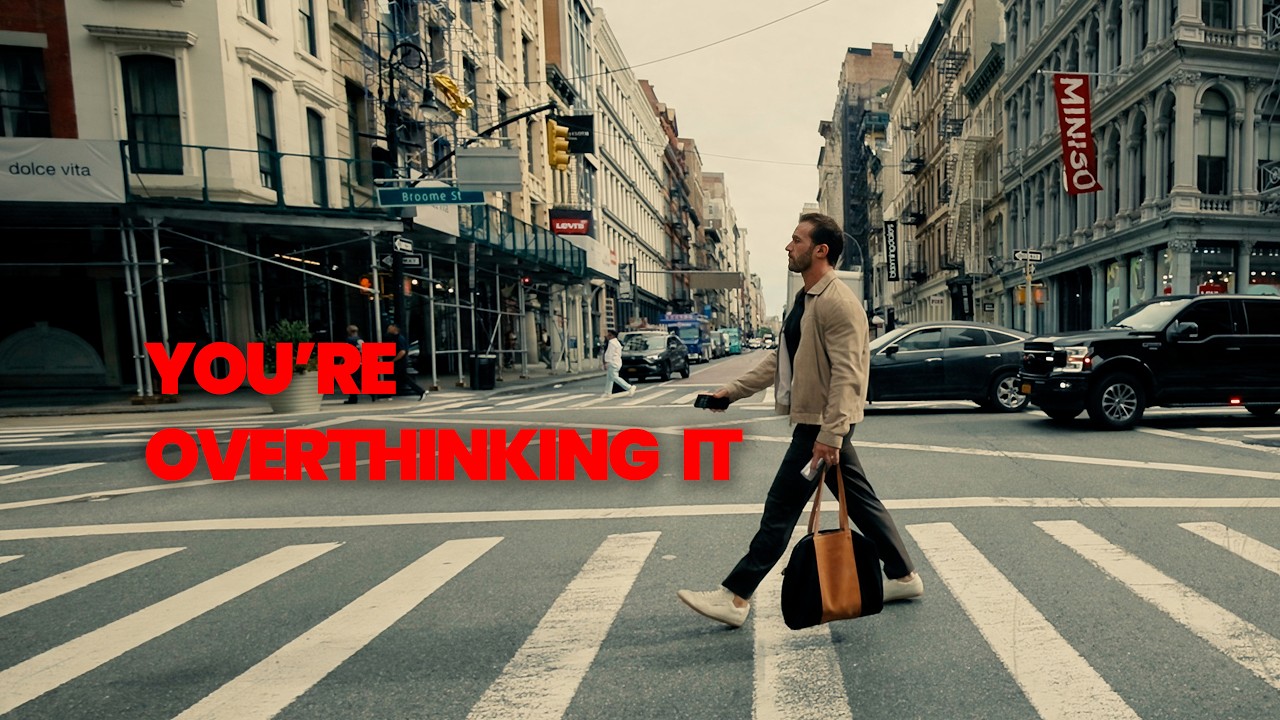
Greg LaVecchia spent a day in September 2026 moving through New York City, pulling together founders, brand builders, and content entrepreneurs for a running conversation about what actually separates a real business from a hobby with a Shopify account.
More product lines almost broke Cuts
Belli was candid about a near-miss at the two or three year mark. The original black t-shirt was the anchor, but the team decided to chase momentum with limited-edition drops. The drops popped for a moment, then faded, because there was no restock plan. Customers bought once and never came back. ‘The LTV of those cools was,’ Belli said flatly, leaving the sentence to land on its own. For a brand where 50% of buyers return within a year, a product that kills repeat purchase is not a side problem. It is an existential one. The lesson he carried out of it: more is not better if it is not focused, and the additions cannot come at the expense of what got you there.
He also shared a marketing detail that stopped the room cold. Around the holidays, roughly 80% of all Meta ads running for Cuts feature women speaking to women about buying for their boyfriend. The brand sells performance menswear, and its most effective paid channel is built almost entirely around female buyers.
Oakberry runs on one bowl and owns its own supply chain
Lunchtime brought Georgios Frangulas, founder of Oakberry, the global acai brand doing over $300 million a year in revenue and opening one new store every two days. Frangulas moved from Brazil to Los Angeles and watched people pay $20 for what he described as substandard acai with no standards and no consistency. Acai grows only in the Amazon, which meant whoever controlled the source controlled the category. He built Oakberry vertically: he owns the factory, supplies every franchised location from his own stock, and takes a royalty rate well above the typical franchise range of 3 to 6%.
The takeaway Lav pulled from lunch was immediate: 95% of Oakberry’s business is one product, the acai bowl. A single-product focus means a single store can operate with one or two employees. Complexity is overhead. Simplicity scales.
Bloom’s influencer funnel runs four tiers deep
Lav laid out the influencer marketing architecture behind Bloom, which holds the number two spot in energy drinks on Amazon and number three in Target while spending less than 5% of its marketing budget on Meta. The funnel runs from pure awareness at the top, where a Bloom can appears in the background of a mukbang video watched by 15 million people, down through gifting and ambassadors, paid influencer partnerships, and finally the brand’s own organic social channels. The Bloom TikTok page was the top-performing creator in Bloom’s TikTok shop in August 2026. ‘At first it may seem like, what the hell am I doing for this 15 likes,’ Lav said, but organic social compounds, and after a decade it has become a major pillar of consumer acquisition.
The most unexpected win came when a creator mashed a song with an Ariana Grande track and Grande reposted it to her story, placing a Bloom can in front of her entire audience without a paid deal.
The founder who started with 500 units
Brendan Rue, founder of Santa Cruz Paleo, which moved over 417,000 products through TikTok Shop alone, kept his advice direct: start with something smaller. Sell 500 units. Get real consumer feedback. Build the Shopify store, build the email list, and let the flywheel teach you what the moonshot should actually be.
The day closed with a tour of a potential Bloom New York office in Soho, 25-foot ceilings, a communal rooftop, four bathrooms, and a negotiated target of around $80,000 a month. A second space in the East Village at $35,000 a month and half the size got dismissed without much ceremony. ‘You can’t put lipstick on a pig,’ Lav said. ‘And it’s still a pig.’
The Kickstarter shirt, still on the table
Somewhere in the Cuts archive there is the original Kickstarter page from late 2016, the one that collected $40,000 from people who had not yet received anything in return.
Belli walked into that first million-dollar day at his parents’ house, in his dad’s office, with the two friends he started the company with. They thought they might hit $500,000. By 10 a.m. that figure was already done.