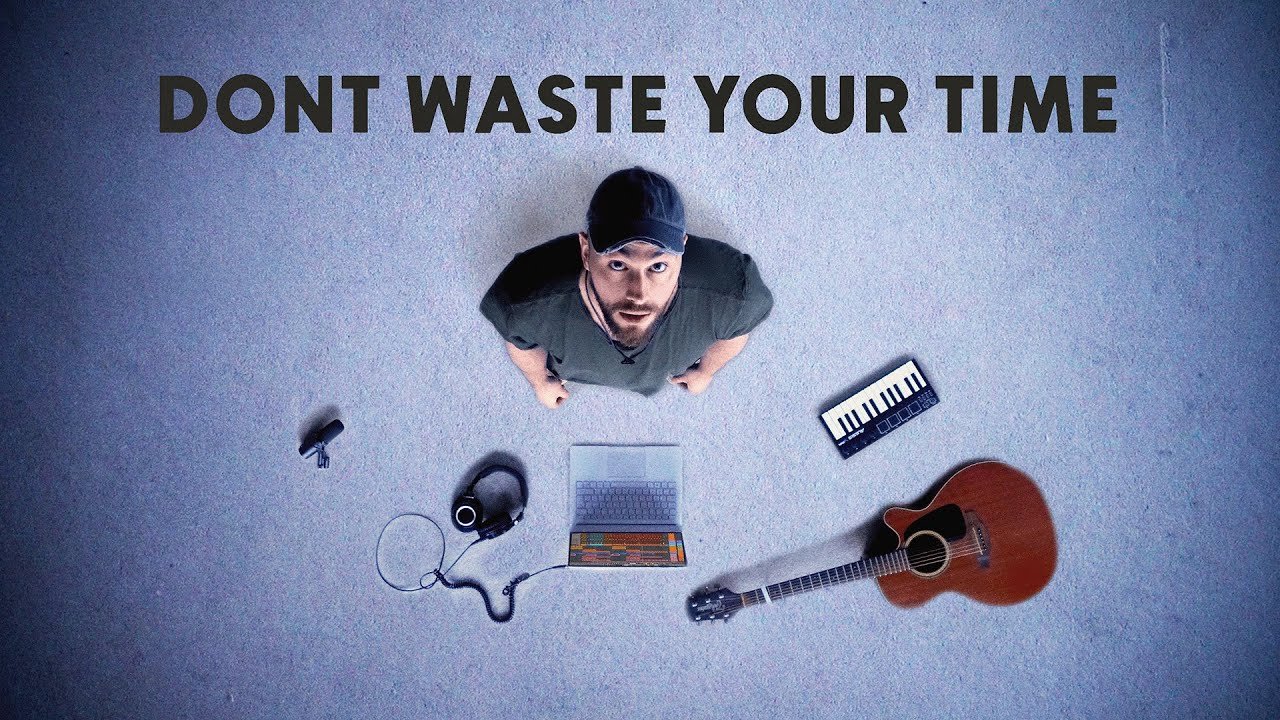
Two years into a biomedical engineering degree he never wanted, a young musician finally asked himself a question he had been avoiding since school: what if the responsible adults were simply wrong? That question cost him time, tuition money, and the creeping suspicion that he was building someone else’s life. The music career he actually wanted turned out to be not only possible but, in his own words, important. What follows are nine hard-won lessons drawn from a decade of album releases, tens of millions of streams, and learning when to stop listening to the wrong people.
The lie about music careers that costs people years
The first and most load-bearing lesson is the one that almost stopped everything before it started: the belief that a creative career is a gamble only the exceptional and the lucky can survive. Careers advisers, well-meaning relatives, and the general ambient culture of responsibility all pointed in the same direction, away from music. The result was two years of engineering coursework and the slow realization that doing something you don’t believe in, with no time left for anything else, is its own kind of risk.
Lesson two reframes the idea of talent entirely. The full version of the ‘jack of all trades’ proverb turns out to include a second half that almost nobody quotes: ‘but often times better than master of one.’ Learning the basics across every discipline, while pursuing mastery in one or two specific skills, makes a musician more versatile, more valuable, and harder to replace, especially as AI continues to reshape what a solo creator can produce. Self-imposed limitations, the quiet belief that you are ‘the musical one and not the technical one,’ deserve the same skepticism as bad career advice.
Lesson three is about what happens when you stop working alone. Collaboration doesn’t slow things down; it accelerates every dimension of growth. One cover posted on YouTube connected him to a wide web of artists and friends, none of which would have materialized if the post had waited for perfection. That is lesson four in miniature: finish things, release them, and let the feedback do its work. ‘Don’t let perfect be the enemy of action,’ he put it plainly, and the portfolio that results gives other talented people a reason to reach out.
The lessons most music advice skips entirely
Lesson five lands with unusual honesty for a career guide. A period of pushing too hard ended in serious illness and a long road back. The takeaway is framed practically: use app blockers, keep the phone out of the bedroom, treat rest as a professional obligation, and build habits the way an athlete builds a training plan. Lesson six follows naturally. The music world is not a sprint; it is a marathon. ‘We overestimate what we can do in a year and we underestimate what we can achieve in five.’
Lessons seven and eight address the parts of a music career that feel least creative and matter most. Understanding contracts well enough to spot red flags, owning your work, knowing your value: these are not obstacles to creativity but the foundation it stands on. The same applies to money. A part-time job while building is not a failure; it is good fuel. Lesson nine closes the set by bringing everything back to instinct: stop taking advice from people living a life that doesn’t inspire you, and start trusting the gut feeling you have been overriding since school.
The cover that started a decade of connections
Somewhere in a YouTube upload queue sits a single cover, posted before anyone was watching, before there was a reason to post it except that finishing something and sharing it felt like the only honest move.
Ten years later, that one post is still the origin story of most of what followed, which is either a lesson in itself or proof that the first step is always the one that counts most.
 Wake up to Only Happy News!