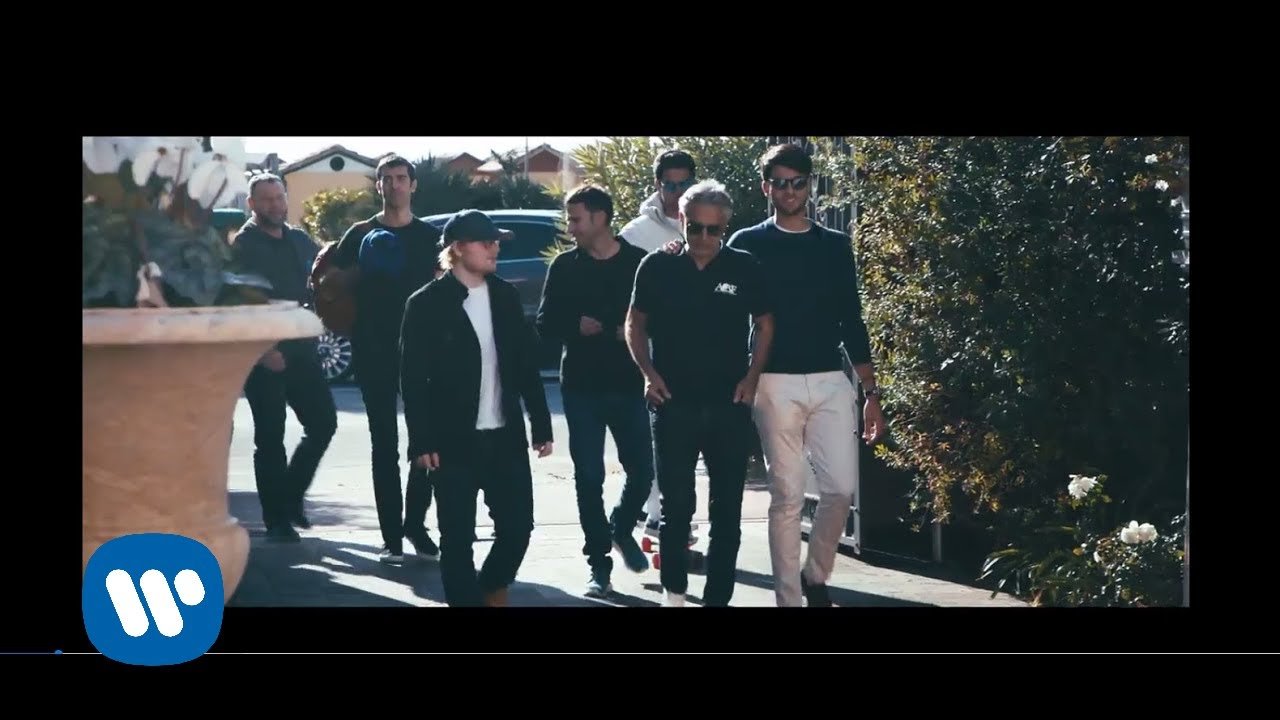
The first verse arrived quietly, almost conversationally, the kind of opening that makes a room hold its breath without quite knowing why. Ed Sheeran’s ‘Perfect’ is a song most people have heard hundreds of times, yet something in this live rendition stripped it back to the moment the words were written: two people, one honest declaration, no artifice. For anyone who has ever whispered something true to another person and been surprised they were heard, the song lands differently sung live in front of a crowd.
When a familiar song sounds brand new
The performance moved through the song’s early verses with deliberate restraint. ‘We were just kids when we fell in love, not knowing what it was’ carried the specific weight that line deserves when delivered slowly, as though the singer is watching the memory happen in real time rather than recounting it from a safe distance. The chorus opened up naturally from there, the vocal reaching into ‘darling, just kiss me slow’ without forcing it, and the room responded with the kind of applause that comes before people have consciously decided to clap.
The centrepiece of any live reading of ‘Perfect’ is the bridge, that image of two people dancing in the dark, barefoot, listening to a favourite song, and one of them whispering ‘you look a mess’ only to be overheard. The lyric works because it is not romantic in a polished way. It is romantic in the way real moments between real people are: slightly embarrassing, utterly specific, and more tender for it. Sung live, with the crowd already quiet, the line ‘but you heard it, darling, you look perfect tonight’ drew the loudest response of the opening section.
The chorus the crowd would not let end
What the applause breaks in the latter half of the performance made clear was that the audience was not waiting for the song to finish. They were trying to stay inside it. The repeated returns to ‘perfect’ in the closing passages, each one slightly different in emphasis, gave the crowd permission to respond each time, and they did. The word stopped being a lyric and started functioning as a kind of call and response, the singer offering it and the room sending something back.
By the final pass, the vocal had shed whatever technical precision it may have carried in the opening bars. What remained was closer to the thing the song is actually about: the specific, improbable luck of looking at one person and meaning it.
The moment the room went completely still
Somewhere in the second half, between one applause break and the next, there was a stretch of perhaps four bars where the room produced no sound at all except the performance itself.
The song ended. The crowd did not.
 Wake up to Only Happy News!