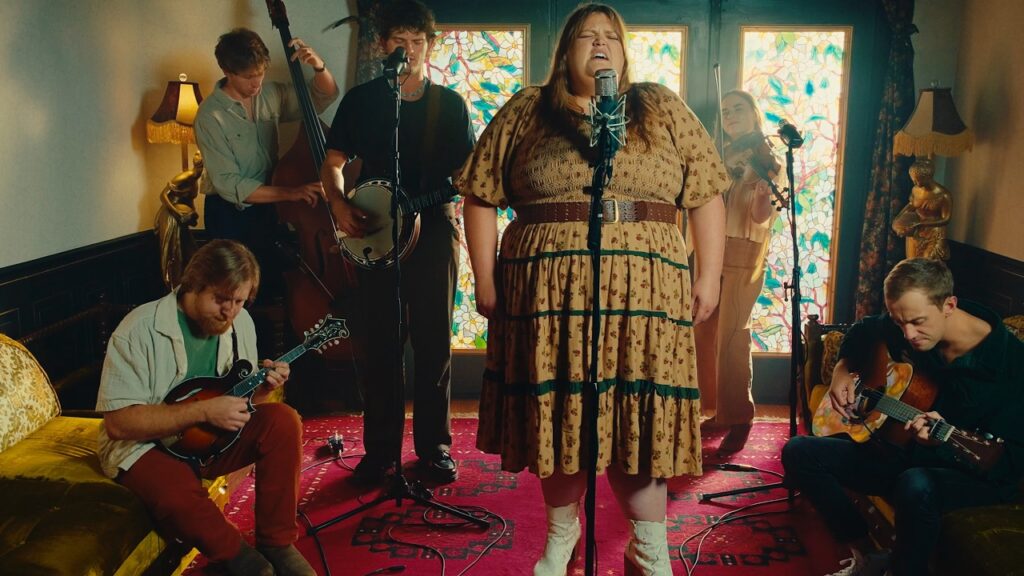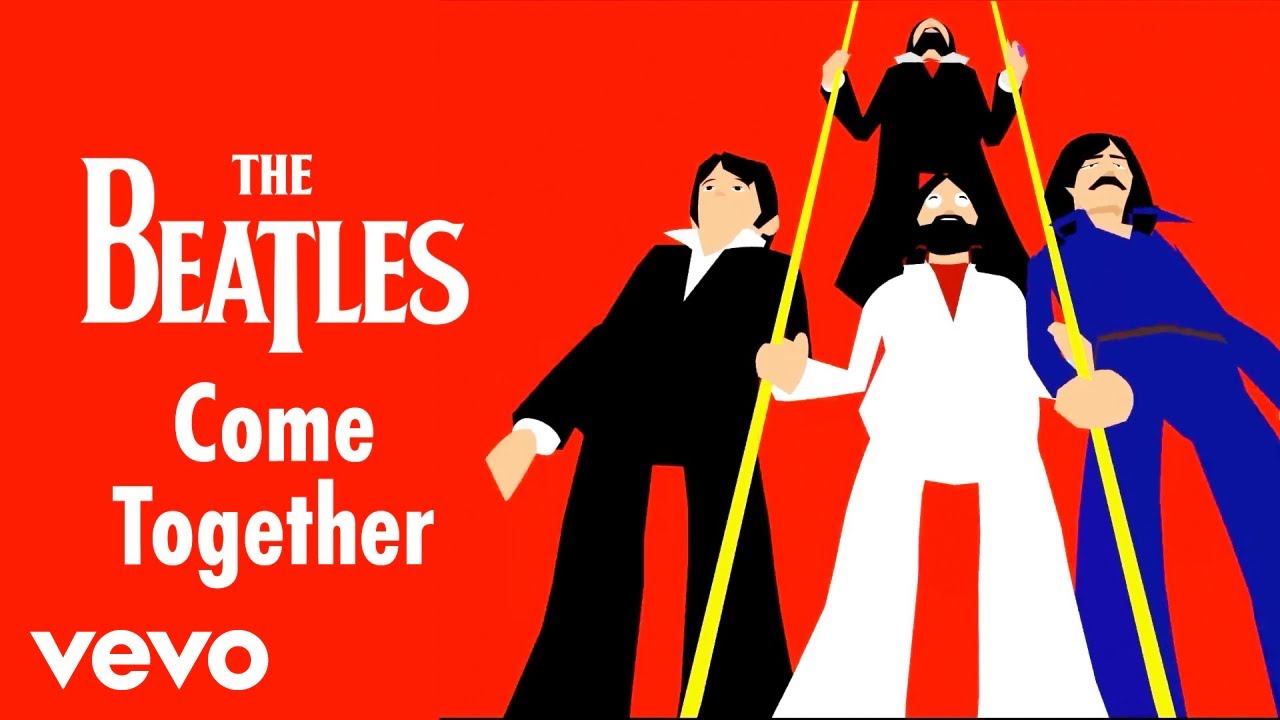
The opening notes arrive softly, a gentle upbeat arrangement that strips the familiar Beatles anthem down to something quieter and more intimate.
What the arrangement actually does differently
Where the original 1969 recording leans on a swampy, rolling bass groove and Lennon‘s dry, close-mic vocal, this rendition wraps the same lyrics in a softer melodic bed. The ‘gentle upbeat music’ framing is not a euphemism for bland. It creates breathing room around lines like ‘one and one and one is three’ and ‘got to be good looking cause he’s so hard to see,’ letting the deliberate absurdity of Lennon‘s imagery sit in the air a moment longer than a hard-driving arrangement would allow.
The structural choice to preserve every verse, including the ‘walrus gumboot’ and ‘mojo filter’ imagery that later covers sometimes quietly drop, signals a respect for the source material that listeners tend to notice even when they cannot name exactly why a version feels complete.
Why ‘Come Together’ keeps finding new readers
The song was written in 1969 as a campaign song for Timothy Leary before Lennon reshaped it into something stranger and more durable. The repeated closing refrain, ‘come together, yeah,’ cycles through eight consecutive passes in this version, each one landing with a slightly different weight as the arrangement breathes around it. That repetition is the emotional engine. It does not summarize anything. It just insists, quietly, that the thing is possible.
Put it plainly: the lyric ‘you got to be free’ sits inside a verse full of nonsense imagery, which is exactly what makes it stick.
The moment the refrain stops being background music
Somewhere around the fifth or sixth ‘come together, yeah,’ the gentle upbeat music underneath it stops feeling like accompaniment and starts feeling like the point. The transition is not announced.
The arrangement closes the same way it opened: softly, without a dramatic finish, the last note fading rather than landing. It is the kind of ending that makes a person sit still for a second before reaching for whatever comes next.
 Wake up to Only Happy News!