
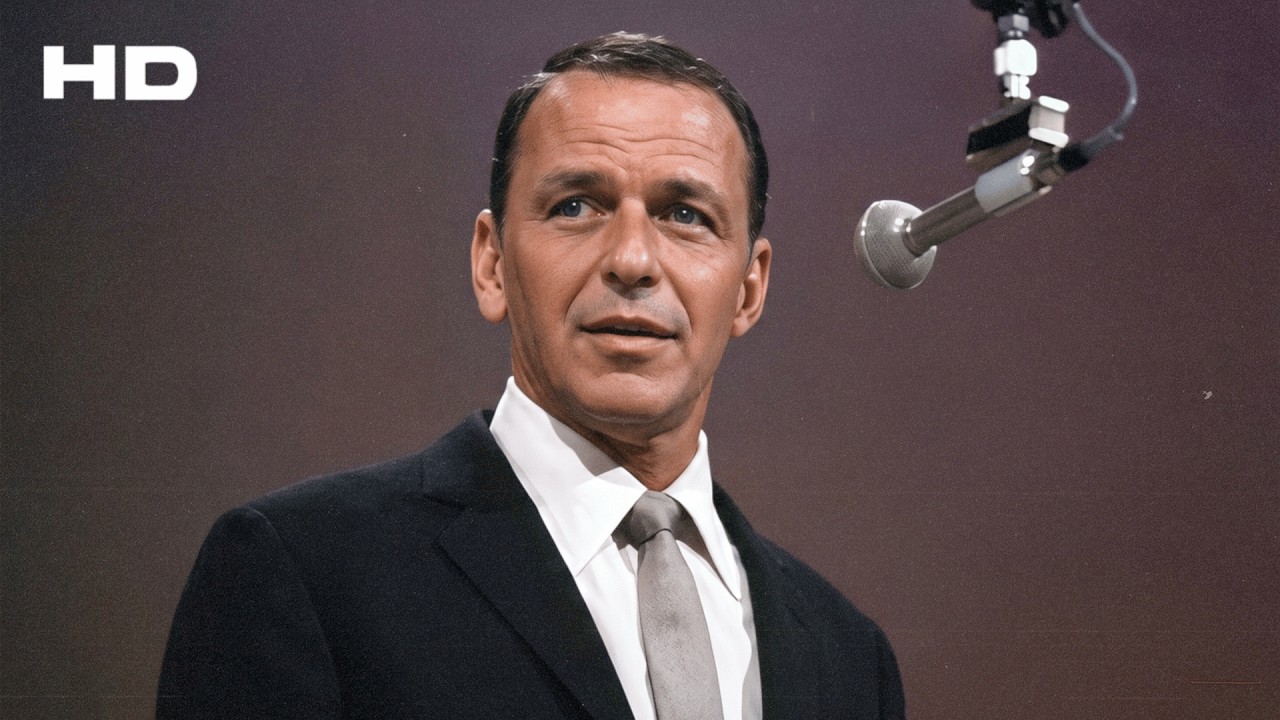
Frank Sinatra stepped up to the microphone in 1966 and introduced the song with the kind of line only he could get away with: ‘one of the greatest saloon songs since the Temperance League blew it, baby.’ The crowd was already his before the first note landed. What followed was a performance of ‘You’re Nobody Till Somebody Loves You’ that turned a mid-century pop standard into something that felt like a direct address, one man talking to everyone in the room who had ever mistaken wealth or status for a life actually lived.
When gold and crowns get you nowhere
The lyric at the center of the song is blunt in a way that even Sinatra seemed to relish delivering. Kings, gold, the whole fat world and its riches: none of it buys the thing that matters when the years start piling up. Sinatra sang the verse twice across the performance, and the repetition was not accidental. The second pass landed harder, the word ‘nobody’ sitting heavy in the air. He did not dress the sentiment up or soften it. The arrangement pulled back around him, leaving his voice doing the work, and the work was honest.
A practical order disguised as a ballad
The song closes not with a lament but with an instruction: go out and get yourself somebody to love. That pivot is what separates the performance from a simple meditation on loneliness. Sinatra delivered it as though it were genuinely actionable advice, less a romantic notion than a reasonable corrective to whatever bad decisions the listener had been making. The stars will keep shining, the world will not change to accommodate anyone, and the math stays the same regardless of the balance in your account.
The saloon that introduced the set
Sinatra flagged this one himself before the first bar, pulling it out with the Temperance League quip and letting the label ‘saloon song’ do its own framing work. The joke acknowledged exactly where music like this lives: in rooms where people are sitting with something unresolved, ordering another round, and listening to a man who has been there explain it back to them without flinching.
The final note of the second chorus settled into the room the way Sinatra’s best performances always did, not with a flourish, but with the quiet certainty that the point had been made and did not need repeating a third time.