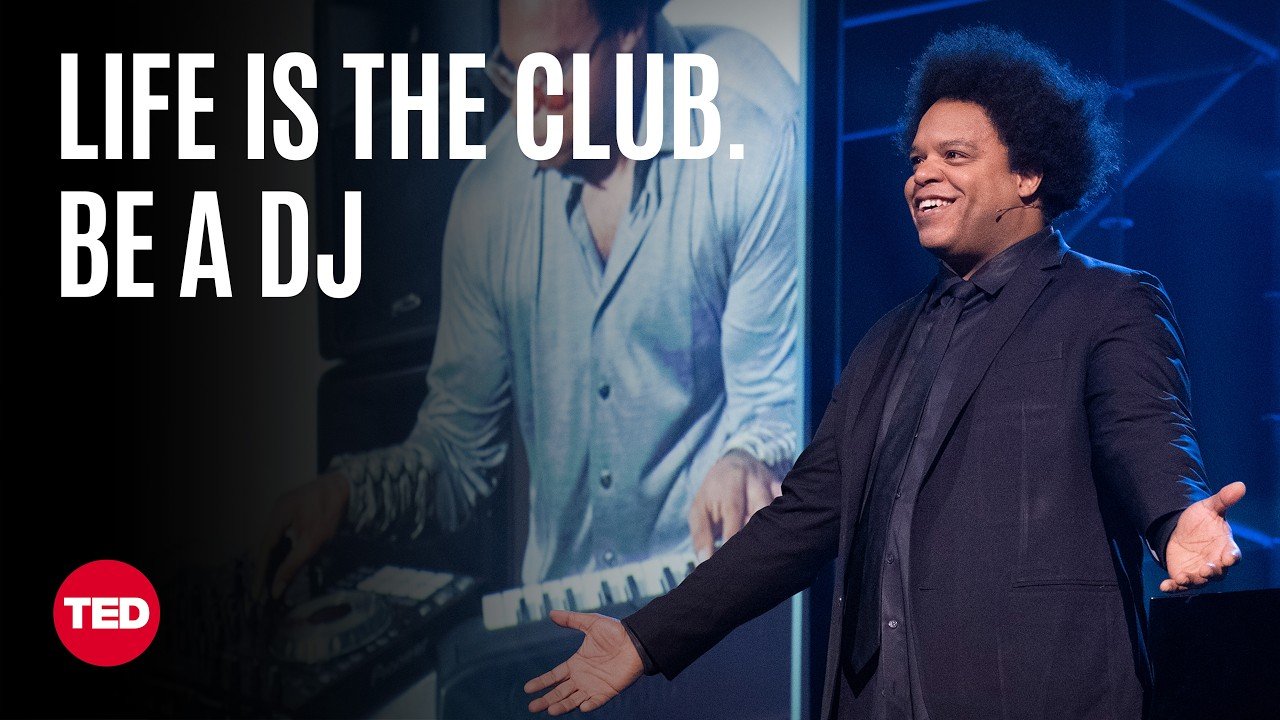
ELEW was two years old when his great-grandmother sat him at the piano and told him it was time to become the fourth-generation piano player in their family. Decades later, standing in the middle of a packed New York City nightclub watching a hip-hop DJ work what looked like multiple arms at once, he realized that everything he thought he knew about music, performance, and even how to live, was about to be rebuilt from scratch.
From jazz stages to nightclub floors
ELEW grew up deeply in love with jazz but always felt slightly out of step with the jazz world. That friction produced panic attacks, and those panic attacks pushed him toward inventing his own cathartic rock-jazz style just to stay afloat. What he did not expect was that the next major shift would come not from a conservatory or a recording session but from two New York City nightclubs called 1 Oak and Finale.
At 1 Oak, he watched hip-hop DJ virtuosos who seemed to operate with extra limbs. At Finale, the EDM DJs felt to him like what he called ‘mythical, eldritch-energy gods,’ immersing the room in sounds so massive he genuinely wondered whether there was a mammoth in the building. He decided, with the confidence of someone who had been playing piano since toddlerhood, that learning to DJ would be easy. He was, by his own account, dead wrong.
The learning curve was embarrassing. But as he pushed through it, he began to notice something unexpected: great DJing is not about technical flash. It is about empathy, sensitivity, and rigorous preparation. He learned, for instance, not to play a massive Avicii EDM track at a lunchtime cafe, and not to drop an obscure B-side in the middle of bottle service at peak nightclub hours. Reading a room, he discovered, is a skill with real consequences.
The brain is already a mixer
ELEW went further than the dance floor. He studied the neuroscience behind what he was experiencing and came away with a specific observation: the brain itself is structured like a DJ’s mixer. The right hemisphere, the left hemisphere, and the corpus callosum connecting them work together the way two turntables and a crossfader do, keeping separate signals in sync. In his framing, everyone is already a DJ organically.
That insight gave shape to a technique he calls ‘piano turntablism,’ playing two distinct melodies simultaneously on a single piano the way a DJ layers tracks. Sting heard it. That is how ELEW landed the gig opening for him.
The philosophy that emerged from all of this is built around a single mantra: ‘My mind is the club, I am the DJ, and my choices affect the atmosphere, so let’s keep that atmosphere groovy.’ He applies it directly to the panic attacks and depression he had spent years managing. Life, in his model, is ‘Club Reality,’ where plans catch fire and the load grows improbable and absurd. The only move is to keep the tracks spinning, the way the mythical Atlas kept the sky from falling.
A piano left running
After the talk, ELEW stayed at the keyboard and played an original piece he called ‘The Inspirer,’ written, he said, for the audience in front of him.
The piano was still warm when the applause ended, and the room, for a moment, had kept that atmosphere groovy.
 Wake up to Only Happy News!