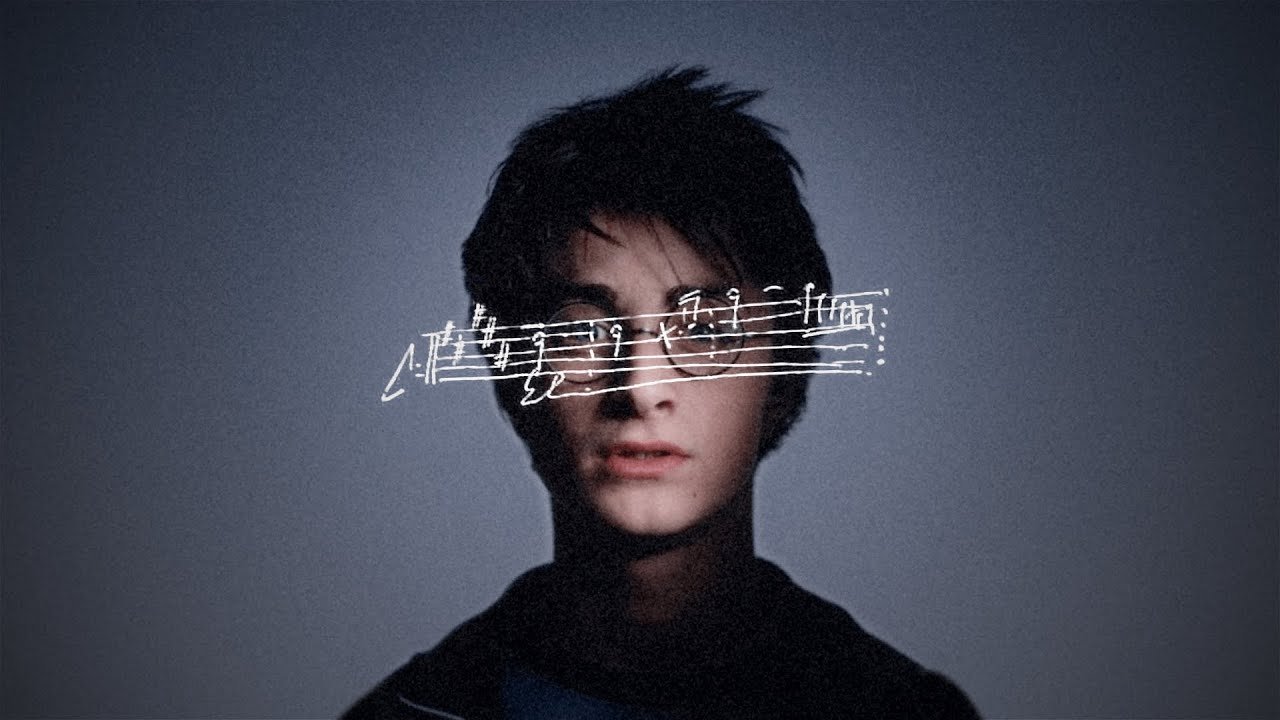
At the end of a Fantastic Beasts trailer, a single character utters the words ‘I want to be a wizard,’ and the familiar Harry Potter melody swells underneath them. The moment lands with a weight that feels almost unfair, because most people assume the music is there for nostalgia alone. But across ten years of Harry Potter films, five composers have been embedding a private language into the score, one that reveals character secrets, foreshadows plot twists, and signals emotional turning points long before the story does.
What Hedwig’s Theme is actually saying
John Williams, who authored the original melody officially titled ‘Hedwig’s Theme,’ wrote the music for the first three films and places it thirty-six times across all three, twenty-four of those in the first film alone. Williams was precise about the sound he wanted. As he described it, he chose the celeste because each note is ‘kind of like a bell,’ and playing five quick notes with the pedal down produces ‘this beautiful little blur.’ That shimmer was deliberate: Good Blood’s analysis of the series identifies a strict rule governing when the theme appears. Hedwig’s Theme sounds only in moments of courage or safety. It means hope, nothing else.
That definition makes its disappearance in Deathly Hallows Part 2 devastating. The theme appears just four times across the entire final film, and each time the melody fractures before it can finish. Composer Alexandre Desplat brings it back on its original instrument, the celeste, but cuts it short, as though hope itself has been structurally damaged. The last time the theme sounds is in a piece titled ‘Harry’s Sacrifice,’ playing as Harry walks into the woods to face Voldemort and, by his own acceptance, his death. The melody is cut off one final time, and it never returns. As the Good Blood breakdown puts it, that silence is ‘hope’s end.’
The composers who hid the plot in plain sound
The series uses this kind of musical foreshadowing with remarkable precision. In Chamber of Secrets, Williams writes a theme for the fraudulent Gilderoy Lockhart that, when transposed two steps from G to A, reveals its own structure as a staggered, distorted version of Hedwig’s Theme. Where Hedwig’s Theme speaks of genuine courage, Lockhart’s twisted echo signals arrogant overconfidence, and quietly predicts his unmasking as a fraud before the script does.
Desplat pulls off a quieter trick with ‘Lily’s Theme’ in Deathly Hallows Part 2. The piece is associated with another character entirely for most of its appearances, a connection that only resolves when Snape whispers ‘Look at me’ and tells a dying Harry, ‘You have your mother’s eyes.’ The music had already told the audience about Snape’s love for Lily long before the scene arrived. In Half-Blood Prince, composer Nicholas Hooper begins with Hedwig’s Theme and gradually overtakes it with a new piece representing affection and love, tying it to Dumbledore and Harry. The film closes with the same theme, now redirected toward Dumbledore after his death, and it surfaces one final time in Deathly Hallows Part 2 during the revelation of Snape’s memories, speaking his devotion aloud without requiring a single word from him.
The moment that started it all
A single scene, a walk into dark woods with a fractured melody trailing behind it.
When Fantastic Beasts composer James Newton Howard restores Hedwig’s Theme in full at the close of the new trailer, the gesture carries that entire history with it. Ten years of damaged melodies, careful foreshadowing, and quiet emotional signals suddenly coalesce into one question the composers have been asking since the first film: whether the audience was really listening. That melody at the end of the trailer is not just nostalgia. It is hope, intact, for the first time in a very long while.
 Wake up to Only Happy News!