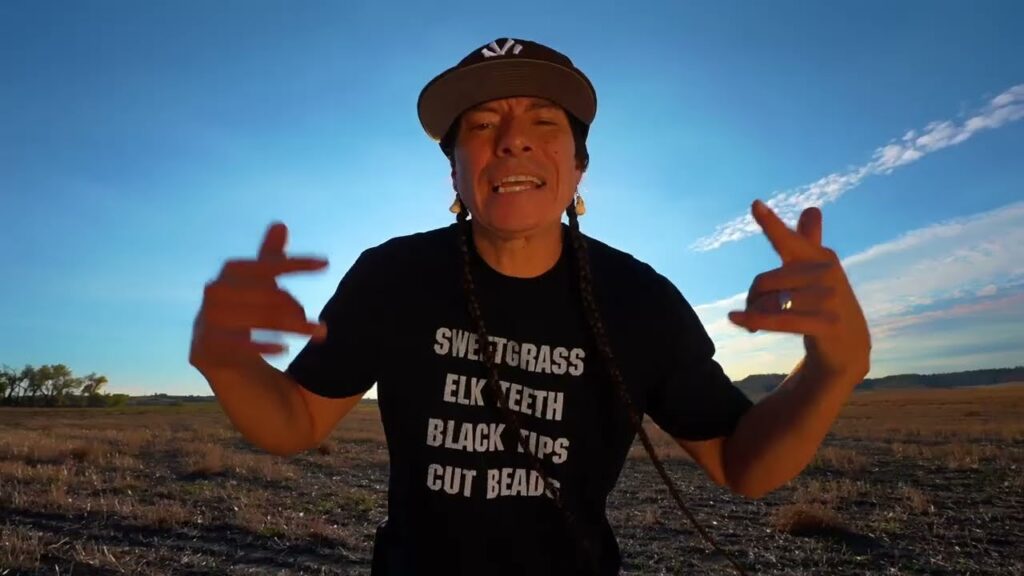
For over 2,000 years, the Lakota people have prayed at Pe’Sla, a sacred site deep in the Black Hills of South Dakota. Earlier this year, a mining company arrived and began drilling for graphite less than a kilometre away, with permission to test 18 sites in the area and no environmental review required. Nine tribes from three states had other plans, and what followed was one of the most consequential environmental standoffs in recent American history.
How the drilling stopped
Tribes and their allies set up a protest camp directly at the drill site. For a full week, they occupied two of the drill pads. Some locked themselves to the machinery. Others sat on the equipment holding banners. The tribes also took the fight to federal court, arguing the Forest Service had approved the project without the legally required environmental review. A federal judge agreed and issued a restraining order, halting all work immediately. Just three days later, the mining company withdrew the project entirely, with no plans to return. The drilling equipment is already gone. Pe’Sla is safe.
That victory sits alongside a wave of other shifts documented across July. In Guatemala, conservationists from the Wildlife Conservation Society, Cornell University, and partner universities in Germany and Brazil have installed small listening devices high in the trees of the Maya Biosphere Reserve, one of the largest rainforests in Central America and home to jaguars, crocodiles, and scarlet macaws. Each device runs an AI trained to detect chainsaws, gunshots, and engines. When it catches one of those sounds, it fires a short audio clip to rangers by satellite within minutes, rather than letting illegal logging go unnoticed for weeks. A full rollout is planned for early next year.
The other numbers quietly rewriting the scoreboard
In Paraguay, the poverty rate has dropped from 51% to just 16% over the past two decades, measured as the share of people living on less than $6.85 a day. Around 300,000 people left poverty in the last two years alone, driven largely by easier business registration and access to cheap hydroelectric power that drew industries and created stable, better-paying jobs.
India’s internet story is just as striking. Mobile data access climbed from 15% to over 70% in a single decade, according to figures from Our World in Data, putting more than a billion people online. The turning point came in 2016 when a company called Jio launched a nationwide 4G network with free data for the first six months. Sixteen million Indians signed up in the first month alone, forcing every other provider to slash prices. Within months, mobile data costs had fallen by over 90%.
In the United States, alcohol consumption has hit its lowest level since 1939. Just 54% of Americans now say they drink at all, the third consecutive year the number has fallen. The Americans who do drink have cut back to an average of 2.8 drinks a week, down from 3.8 the year before. For the first time, a majority of Americans, 53%, consider even moderate drinking harmful to health.
On the battery front, Chinese manufacturer CATL has received a 60 gigawatt-hour sodium-ion order from an energy storage firm, the largest sodium-ion order in history. Sodium is roughly a thousand times more common in the Earth’s crust than lithium, and the new batteries are rated for over 15,000 charge cycles.
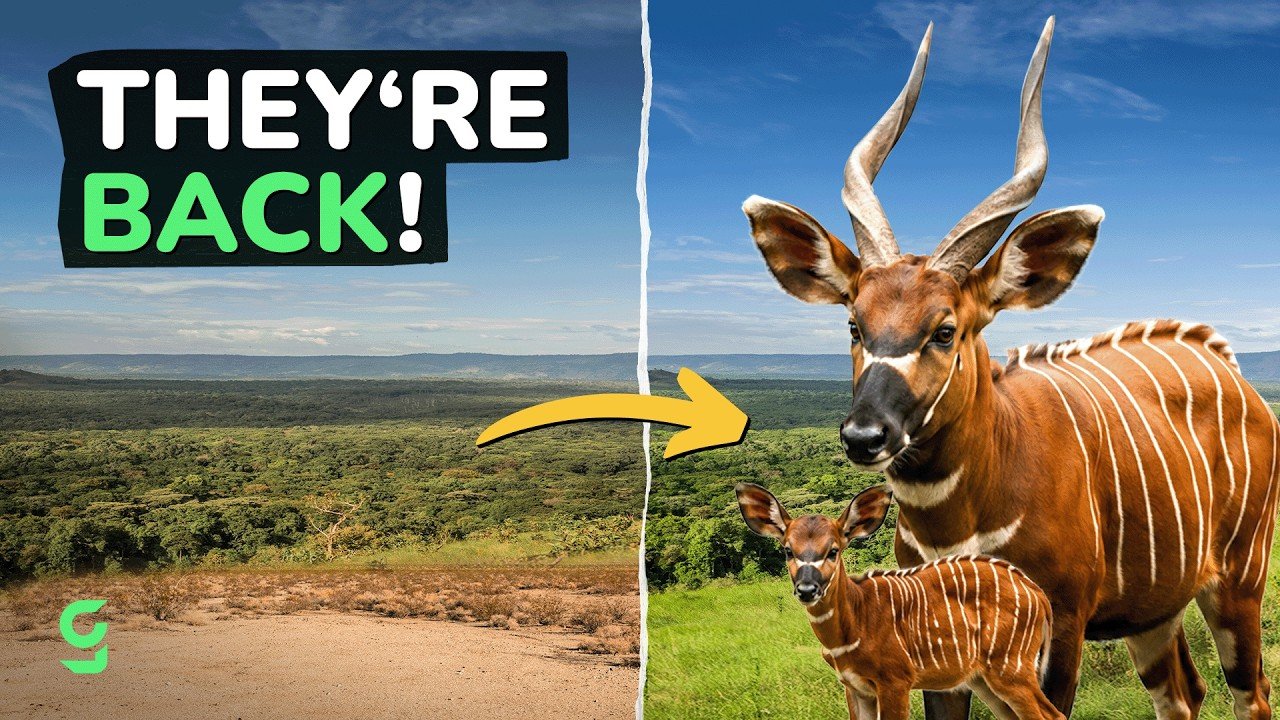
As host Freddy put it about the mountain bongo, a rare antelope with brown fur and spiralled horns once reduced to fewer than 100 animals in the wild: ‘Meet the ghost of the forest.’ A rescue programme in the 1980s flew 36 of them to the United States to breed safely. In 2022, the world’s first mountain bongo sanctuary opened in Mount Kenya’s forests, and four more animals arrived from the Czech Republic just this May. Wild calves have since been born there. The team is now targeting 750 wild bongos by 2050.
The drill pads that were occupied for a week
Two of the 18 approved test sites in the Black Hills, where protesters locked themselves to machinery and sat on equipment with banners, now sit empty.
The federal restraining order came first. The company’s full withdrawal came three days later. For a place where people have gathered for more than two millennia, three days turned out to be enough.
 Wake up to Only Happy News!