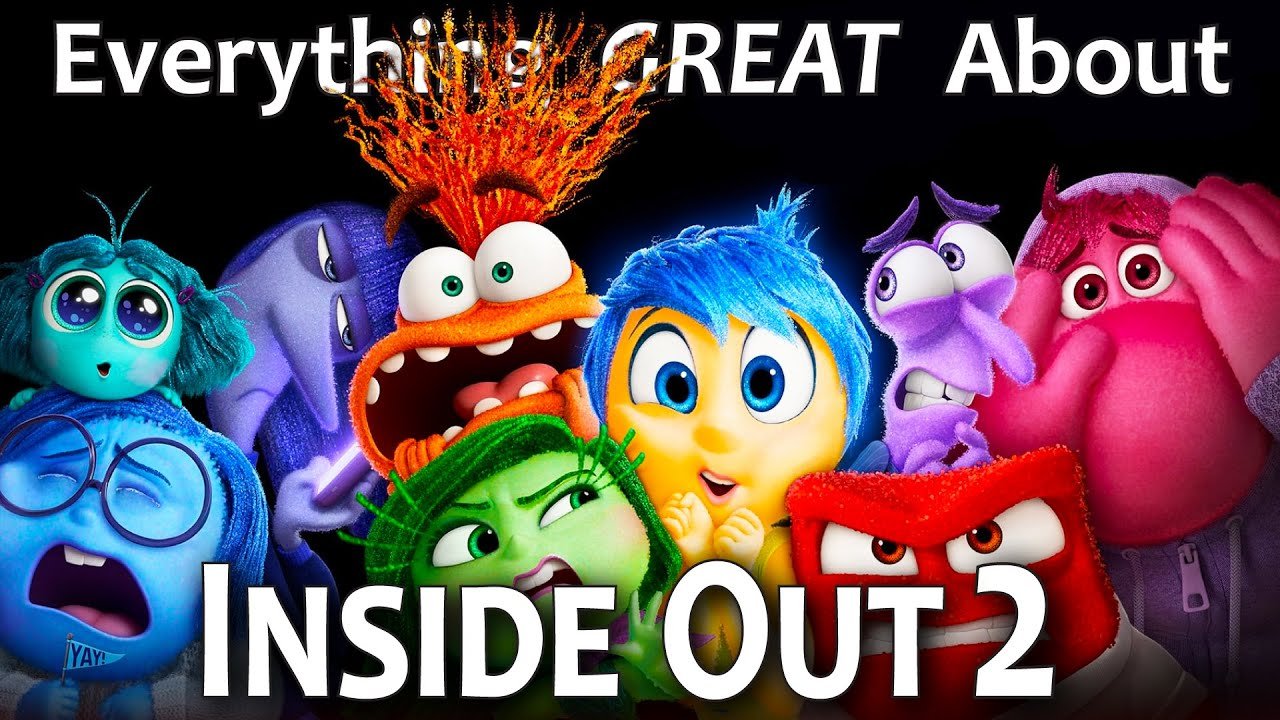
About thirty seconds into the Inside Out 2 theme, the reviewer watching at home with family had already started crying. Not tearing up. Crying. That moment sets the tone for everything that follows, because Inside Out 2 is not a gentle sequel coasting on goodwill. It is a film that goes after the specific, uncomfortable architecture of anxiety with a precision most adults never expected from an animated feature aimed at kids.
Anxiety as the accidental villain who isn’t really a villain
The new emotion introduced in the film is Anxiety, and her design gets called out immediately: ‘cute but on the verge of Bonkers.’ That tension is the whole point. She is not wrong to show up. Fear of failing, of looking dumb, of letting teammates down are real, and the film earns its complexity by refusing to make her a straightforward antagonist. The trouble starts, as the reviewer puts it, when anxiety ‘takes over the control panel forever.’ Her lines land like physical blows precisely because they are accurate. ‘It’s not about who Riley is, it’s about who she needs to be’ is not a cartoon villain monologue. It is the exact internal script that real anxiety runs.
The distinction the film draws between an anxiety disorder and the raw emotion of anxiety is handled with more care than most clinical explainers manage. Anxiety describes her own job as planning for the future and protecting Riley from things she cannot see. That framing is not mocked. The film lets it stand as genuinely useful, right up until the moment it becomes genuinely destructive.
The panic attack sequence and what the animators got right
The panic attack during the scrimmage is the sequence the film will be remembered for. The avalanche of suppressed bad memories flooding back into Riley’s sense of self as the catalyst is, in the reviewer’s words, ‘so dang on the nose.’ What elevates it above a competent visualization is the granular accuracy of the recovery: the grounding by touching the bench, the sounds returning, the blurry vision that the viewer does not even notice until it sharpens back into focus. Those are not details that come from research alone. Somebody involved in making that scene has clearly actually lived through it.
The reviewer, who takes escitalopram and has navigated the fog of different SSRI options, noted that the film also resists the easy fix. Joy does not simply override anxiety. The hug at the end includes anxiety, ‘because she’ll always be a part of that process.’ That small visual choice carries more weight than a full monologue about acceptance would.
Riley’s apology to her friends after the attack, and the way she explicitly does not expect to be forgiven, gets singled out as another lesson the film earns rather than announces. The emotions are inside Riley’s head, but Riley still owns what she did in the world.
As the reviewer put it plainly: ‘even if it’s not our fault, we’re still going to pay the price.’
A small thing on the bench
Riley sits on the penalty box bench, two minutes called, the scrimmage noise coming back in layers around her.
The theme that opened the film with tears is still somewhere in the background, doing its work.
She had scored two goals before everything came apart, and the red notebook with everything she thought she needed to become is still sitting wherever anxiety left it, unread by anyone who could actually help her. Whether that gap between who she was practicing to be and who she already is ever fully closes is the question the film leaves running, which is probably exactly right.