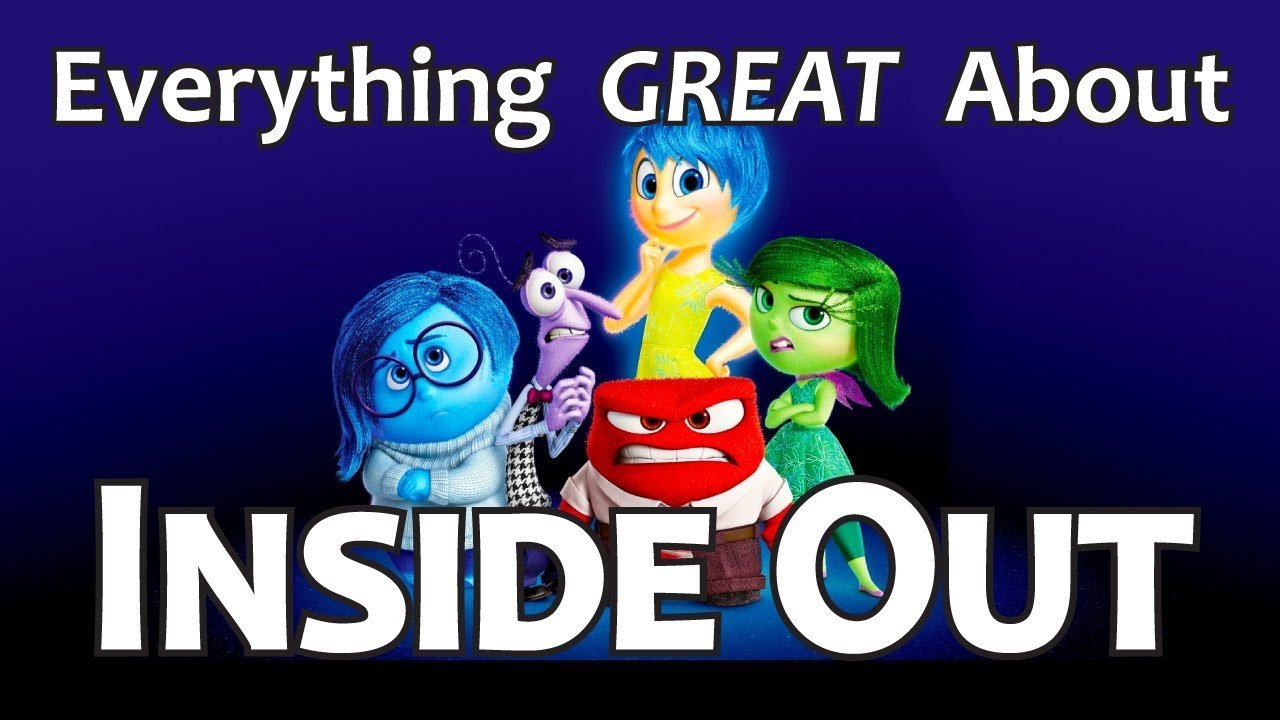
Fifteen minutes into a film he has now watched four times, a film critic found himself in what he called a ‘full one ugly cry wailing fit,’ not because the story surprised him, but because Michael Giacchino’s score had absorbed every emotional gut-punch from prior viewings and now carried all of it at once. That is the strange power of Pixar’s Inside Out: repeat exposure does not dull it. It deepens the wound. And for anyone who has ever sat beside a child growing up faster than seems fair, that wound is the whole point.
The brain on screen is more accurate than it has any right to be
From the opening moments, Inside Out commits to a level of cognitive honesty that most films aimed at families do not bother attempting. The first console Riley ever has is a single button, because a newborn’s emotional world really is that binary. Joy immediately tries to push Sadness aside, which is precisely how early brain development works, as the critic noted while watching his own son’s reactions and recognizing them on screen. The concept of core memories powering distinct personality islands sounds like the kind of abstract writing that should collapse under its own weight, yet it lands cleanly every time because the visual grammar does the heavy lifting: a deteriorating Imagination Lane sitting dusty and unused while the brand-new boyfriend generator gleams beside it, the console shifting from simple to sprawling as Riley ages.
The color-coding runs deeper than casual viewers tend to catch. Riley wears yellow when she is managing, black when she has shut down entirely. Her mother switches into yellow once the family reaches San Francisco, performing calm for a husband who needs steadying. The vacuum Riley fears is coded in the purple of Fear. The rat she recoils from carries Disgust’s green. None of this is announced. It simply accumulates.
The moment that destroys parents every single time
The Bing Bong sequence operates differently on a fourth viewing than it does on a first. Early on, his cotton-candy-fiber construction and his Seussian energy read as whimsy. By the time he makes his choice at the memory dump, the whimsy has become weight. ‘It doesn’t really matter if he saw it coming,’ the critic observed. ‘It’s still self-sacrifice. A true picture of childhood that we all let go of.’ The score, doing its quiet damage in the background, makes that sentence true in the chest rather than just on the page.
What the film earns in its final movement, and what Pixar articulates with three images rather than a speech, is the idea that sadness and joy are not opposites. The console turns both blue and yellow at once. Riley cries in her parents’ arms. A core memory holds both colors simultaneously. Phyllis Smith, the critic noted, ‘knocks it out of the park,’ and it feels like a strange compliment to pay someone for playing a character who spends most of the film being shoved aside, but that is precisely why it lands: Sadness does what she believes is right for Riley even after being beaten down the entire story by the emotion that is supposed to be in charge.
A yellow blanket at the end of a very long day
Riley wrapped in a yellow blanket in the closing minutes, the same yellow she wore at the start, the color that has meant something specific all along.
The score is already winding back toward its opening theme by that point, which means for anyone watching it a fourth time, the cry starts earlier than it did the third time, and probably earlier still the fifth.