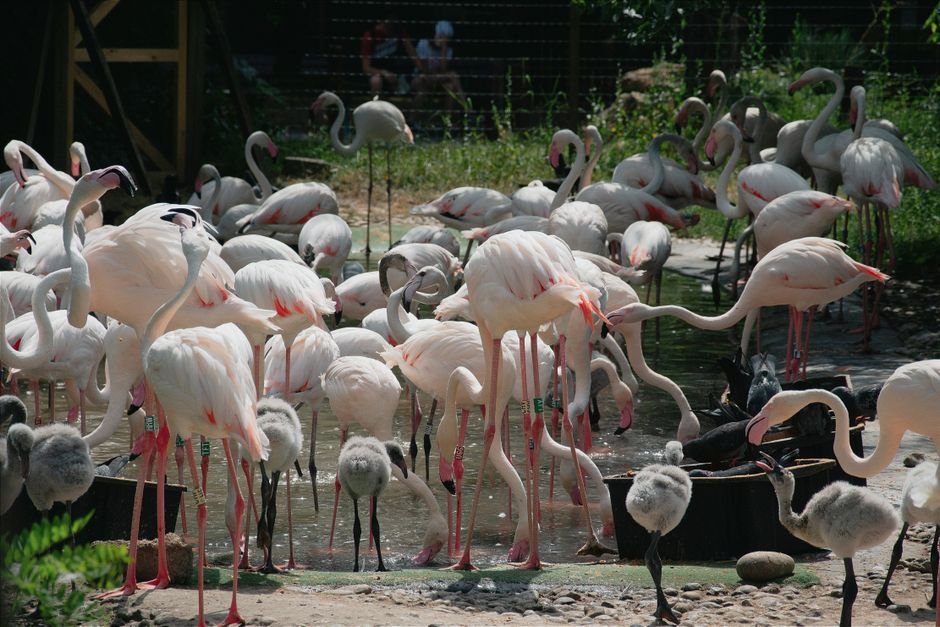
Five years ago, Lake Tuz – once the second-largest lake in Turkiye – was nearly gone. High temperatures and a prolonged rainfall deficit dried out one of the world’s most critical flamingo breeding grounds, and the birds largely disappeared with it. Now, thousands of flamingo chicks have hatched there, marking one of the more striking wildlife rebounds in the region’s recent history.
Here is what happened at Lake Tuz, why the recovery matters for flamingo populations globally, and what conservationists are watching next.
How Lake Tuz Went From Near-Desiccation to a Flamingo Nursery
Lake Tuz is a shallow, hypersaline salt lake in central Turkiye – the kind of extreme environment that flamingos have evolved specifically to exploit. The high salinity keeps most predators out, making the exposed mudflats unusually safe for nesting colonies. That safety net collapsed when drought conditions in the early 2020s pulled water levels down sharply, killing off tens of thousands of flamingo chicks in a single season and stripping the lake of the standing water the birds need to nest.
The recovery did not happen overnight. Improved rainfall patterns and coordinated conservation monitoring gradually restored water levels. When conditions stabilized, the flamingo colonies returned – and this breeding season, they returned in force. Thousands of chicks hatched across the lake’s flats, a number significant enough that wildlife observers and Turkish conservation authorities flagged it as a measurable rebound, not just an incremental tick upward.
Why Lake Tuz Holds an Outsized Role in European and Middle Eastern Flamingo Populations
Flamingo breeding sites at this scale are rare. Lake Tuz functions as a keystone location for greater flamingos across a broad geographic range stretching from Europe through the Middle East and into Central Asia. When a colony this size produces thousands of chicks in a single season, the downstream effect on regional population numbers is substantial – young birds from Tuz eventually spread across migration corridors that connect multiple continents.
The 2021 die-off had raised serious questions among ornithologists about whether the lake could reliably support nesting colonies at all under shifting climate conditions. This season’s hatch does not erase that uncertainty, but it does demonstrate the lake retains its ecological function when water levels hold.
What the Lake Tuz Rebound Signals for Climate-Stressed Wetland Conservation
The Lake Tuz story sits inside a broader pattern: climate-related drought events are hitting shallow inland lakes harder and faster than deeper freshwater systems, and the wildlife that depends on them has very little buffer. The near-total collapse of nesting at Tuz five years ago was not a slow decline – it happened within a single breeding season. The recovery being documented now suggests that these ecosystems can snap back when water returns, but that speed cuts both ways. A return to drought conditions could reverse the current rebound just as quickly. Conservation groups monitoring Tuz are likely watching rainfall forecasts for the region as closely as they are watching nest counts.
For Turkish wildlife authorities, the chick hatch represents concrete evidence that active monitoring and habitat protection during the recovery window produced results – not just a passive waiting game.
The same mudflats that sat cracked and empty half a decade ago are now covered in pink. That is the whole story, in one image.
Source: Read original
 Wake up to Only Happy News!