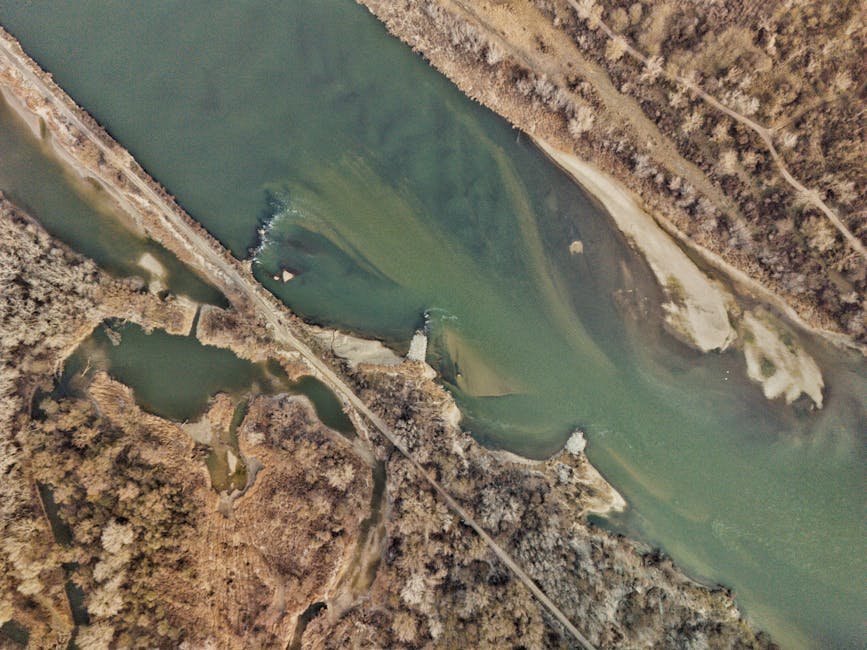
By 2000, the active floodplain of New Mexico’s Gila River in the Cliff-Gila Valley had grown back to nearly its full historic width – without a single human-directed restoration project.
That remarkable recovery is the subject of a new case study published in Hydrological Processes, co-authored by Ellen Soles, Martha Cooper, and Laurel Saito. The study focused on a 30-kilometer stretch of the Gila River and documents how secondary channels formed during high flows connect native riparian vegetation to groundwater – allowing cottonwoods, willows, and other native plants to survive even when surface water nearly disappears.
The data tells a striking before-and-after story. By 1960, the river’s active floodplain had been confined to less than half its historic width. By 1980, native forest cover had dropped to just 40 to 50 percent of its early 20th-century expanse. Generations of Anglo settlers had planted fields, grazed livestock, and built irrigation infrastructure that squeezed the river into an unnaturally narrow channel.
The turnaround came in stages. By 1984, people had stopped trying to reduce the channel and reinforce levees. In the late 1990s, domestic livestock were removed from most of the valley’s floodplain. The river responded quickly.
‘The Gila was channelized and leveed, even into the 1970s, and really squeezed down to ridiculously narrow margins,’ says Cooper, currently The Nature Conservancy’s freshwater program director for New Mexico. ‘In one of our last big floods, a secondary channel cut off that meander and moved the river over. Now the old channel is filling with cottonwoods and willows, and there are little wetlands with groundwater daylighting.’
Cooper and Soles spent more than a decade collecting data, wading transect by transect across the river measuring topography and vegetation changes. During that fieldwork, Cooper had a vivid encounter with the river’s hidden hydrology: standing near a transect during high water, her foot broke through the soil and water rushed underneath – an old surface channel, sedimented over but still alive underground.
Long-term data from the valley also shows real-world resilience benefits. During recent floods, adjacent landowners lost less land than in the past. Healthy riparian forests slow floodwaters, reducing their erosive force during extreme events. In September 2013, the Gila surged above 30,000 cubic feet per second – scour events like that create the channels and germination pockets that seed the next generation of forest.
Why This Matters
The Gila River’s recovery shows that when rivers are given space to behave naturally, ecosystems rebound faster than almost any engineered fix could achieve. ‘It’s not farms or fish,’ Cooper says. ‘It’s farms and fish.’
Source: Read original