One hundred years ago, South Africa made a promise to its wildlife — and Kruger National Park has kept it. On Sunday, South African authorities and nature lovers across the country celebrated the centenary of Kruger National Park, a 7,500-square-mile sanctuary that has become one of the most iconic protected areas on the African continent.
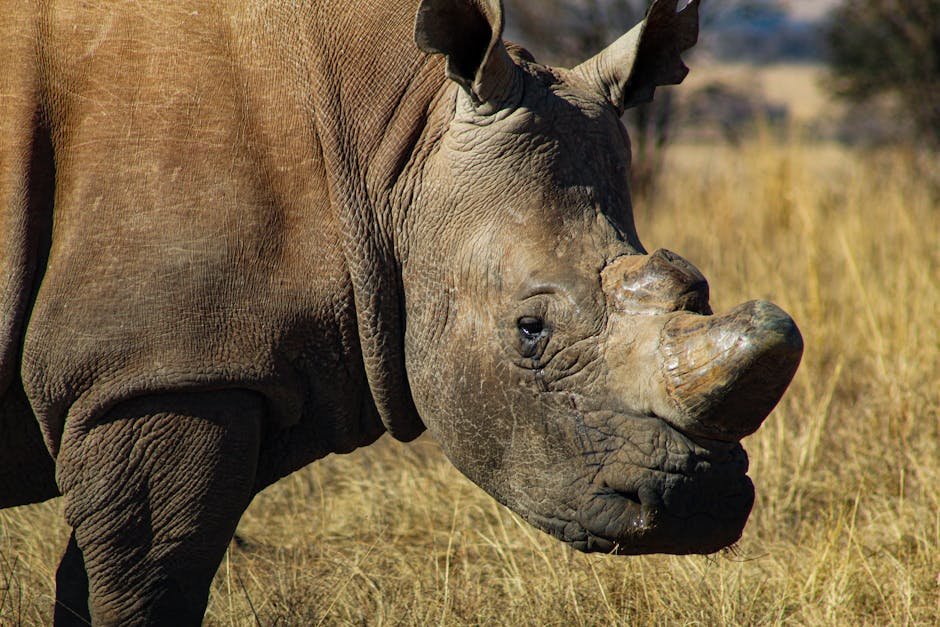
The milestone celebration was held at Skukuza Rest Camp, located inside the park itself, where Minister of Forestry, Fisheries, and the Environment Willie Aucamp led the official commemorations. Aucamp spoke about how ‘proud’ he was of the park’s century-long legacy — a legacy built on safeguarding some of the world’s most extraordinary wildlife, including the celebrated Big 5: lions, leopards, elephants, rhinos, and Cape buffalo.
Kruger National Park is no ordinary reserve. Stretching across a vast landscape in northeastern South Africa, the park covers terrain roughly the size of Wales and serves as a cornerstone of the nation’s conservation efforts. For a full century, it has provided a haven for hundreds of species of mammals, birds, reptiles, and plants that might otherwise have faced far grimmer fates under unchecked human expansion and poaching pressure.
A Century of Conservation That Changed a Continent
The park’s centenary is not simply a birthday — it is a measurable proof of concept for large-scale wildlife preservation in Africa. Kruger is home to approximately 147 mammal species, over 500 bird species, 114 reptile species, and more than 1,800 plant species, making it one of the most biodiverse protected areas on Earth. The park also anchors the Great Limpopo Transfrontier Park, a cross-border conservation initiative that links protected land across South Africa, Zimbabwe, and Mozambique into a combined area exceeding 35,000 square miles — one of the largest conservation areas in the world. That transfrontier partnership, formalized in 2002, demonstrates how Kruger’s influence has expanded far beyond its own borders.
South Africa’s broader conservation model, with Kruger at its heart, has been studied and replicated by wildlife authorities around the globe. The park attracts roughly 1.5 million visitors per year, generating tourism revenue that directly funds conservation operations and supports surrounding communities whose livelihoods are intertwined with the park’s success.
The centenary celebration at Skukuza Rest Camp brought together government officials, conservationists, and passionate wildlife advocates who understand what this landscape represents — not just nationally, but globally. Willie Aucamp’s words of pride echoed a sentiment shared by millions who have walked the park’s red dirt roads or watched a herd of elephants cross a dry riverbed at dawn.
As Kruger National Park steps into its second century, the challenges ahead — including climate change, poaching, and growing human populations at the park’s edges — are real and demanding. But the centenary itself stands as powerful evidence that determined, sustained conservation effort works. A park that began as a bold idea in 1924 is now one of Africa’s greatest living treasures, and the next hundred years of protection have already begun.
Source: Read original