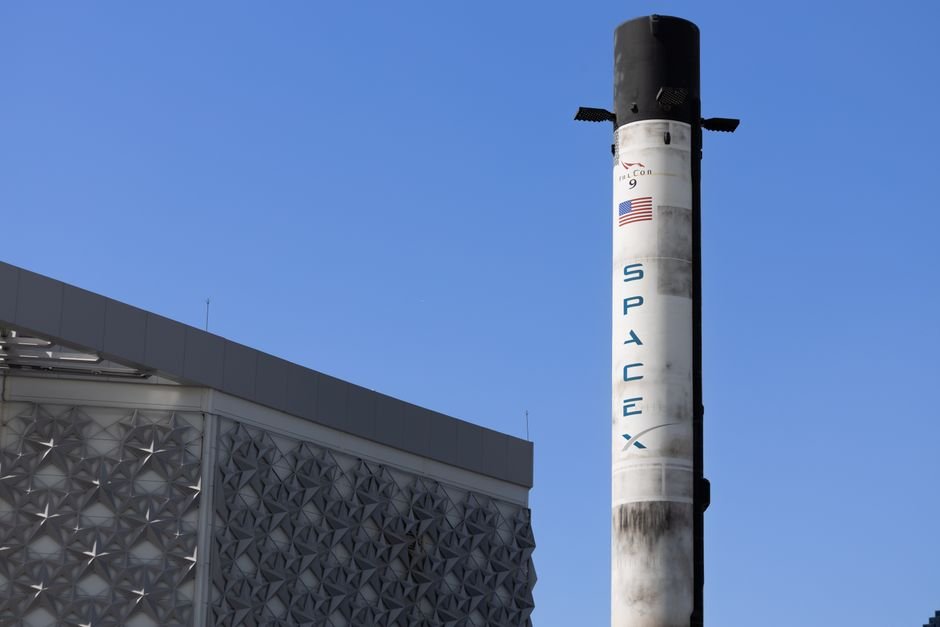
SpaceX debuted on the NASDAQ last Friday at a record-shattering $2 trillion valuation, and the moment it did, Elon Musk became the world’s first-ever trillionaire. According to Forbes, his net fortune now sits at $1.4 trillion and is still growing, putting him more than 13 times ahead of Bill Gates on the wealth scale. For context, that figure exceeds the entire annual economic output of Switzerland, according to World Bank data.
What a trillion dollars could actually buy in the real world
The numbers attached to Musk’s wealth are genuinely difficult to comprehend, so concrete comparisons help. He is now wealthy enough to purchase every seat at every 2026 FIFA World Cup match, every ticket from Taylor Swift’s entire Eras Tour, and every Broadway show seat for roughly the next decade, while barely registering a reduction in his overall fortune. A significant caveat applies: the vast majority of that $1.4 trillion is locked up in company equity rather than liquid cash. In the case of SpaceX specifically, Musk is legally barred from selling any stock for 366 days following the IPO. Still, as analysts and financial reporters have documented, billionaires of his scale typically borrow against their holdings rather than selling, which also functions as a legal method of avoiding income tax according to reporting by ProPublica.
On the eve of crossing the trillion-dollar threshold, Musk told Peter Diamandis, head of the Xprize Foundation, that he no longer believes strongly in money as a concept, arguing that artificial intelligence will soon produce so much abundance that a universal basic income will cover most human needs. For now, the gap between that vision and current global realities is considerable.
A list of problems his fortune could address and what each one costs
According to an analysis cited by Vox, ending the worst forms of extreme poverty worldwide would cost $318 billion annually. That is roughly one-quarter of Musk’s current net worth, and it would cover food, clean shelter, and drinkable water for one-eighth of the global population. About one American in three carries a past-due medical bill, according to research published in a peer-reviewed journal. The total medical debt load in the United States sits at roughly $220 billion, according to the Health System Tracker, a figure Musk could cover outright without approaching his total wealth.
Economists at the University of Pennsylvania estimate that building a national universal preschool system in the United States, including new facilities, would cost about $351 billion over 10 years. Climate adaptation for the roughly 4.1 billion people living in high-risk zones, covering cooling systems, flood barriers, and irrigation, would run about $1.2 trillion annually, according to McKinsey Global Institute research. Ending global hunger by 2030 would cost approximately $93 billion per year, or $465 billion in total through 2030, according to the United Nations. Clean drinking water and sanitation for the more than 4 billion people worldwide who currently lack safe home access would cost about $114 billion per year, according to a UNESCO report. Eradicating tuberculosis by 2030 would cost an estimated $250 billion, compared to the under $6 billion spent on TB prevention and treatment in 2024, according to the World Health Organization.
Ending homelessness in the United States, which affects about 770,000 Americans at any given time according to the National Alliance to End Homelessness, carries an annual price tag estimated between $10 billion and $30 billion depending on the approach used. Constructing the 2 million homes needed to close the country’s housing supply gap would cost roughly $95 billion over five years, according to the Center for American Progress. Eradicating malaria would cost an estimated $8.5 billion per year, according to research published in a peer-reviewed public health journal. If $1.2 trillion of Musk’s net worth were divided equally among all 8.2 billion people on Earth, each person would receive a check for $146, according to US Census Bureau global population figures. In Zambia, where most people live on less than $2 per day, that amount could cover several months of basic necessities, school fees, and housing costs.
Musk has previously pledged to address several of these issues. He offered to donate $6 billion worth of Tesla stock to the World Food Program if it provided a detailed accounting of how that money would feed people. The WFP responded within days with a specific plan to feed 42 million people on the brink of starvation using $6.6 billion. Musk did not follow through. He also made public commitments to address the Flint water crisis and to cover TSA workers’ salaries during a government shutdown, according to news reports. Neither pledge was fulfilled. His charitable giving has totaled less than 1 percent of his net worth, while Bill Gates has given away more than $100 billion, or over 20 percent of his wealth, according to Forbes reporting.
The Zambia calculation that puts the $146 figure in perspective
A single share of $1.2 trillion split across 8.2 billion people lands at $146 per person. In an American context, that covers roughly a week of groceries or most of one annual Netflix subscription. In Zambia, where the majority of the population lives on under $2 a day, that same $146 represents several months of combined necessities.
Source: Read original report
This article was reported in June 2026.
OHN Editorial Note: This article is based on publicly available sources. If you spot an error or have updated information, contact us at editorial@onlyhappynews.com. We correct mistakes promptly.