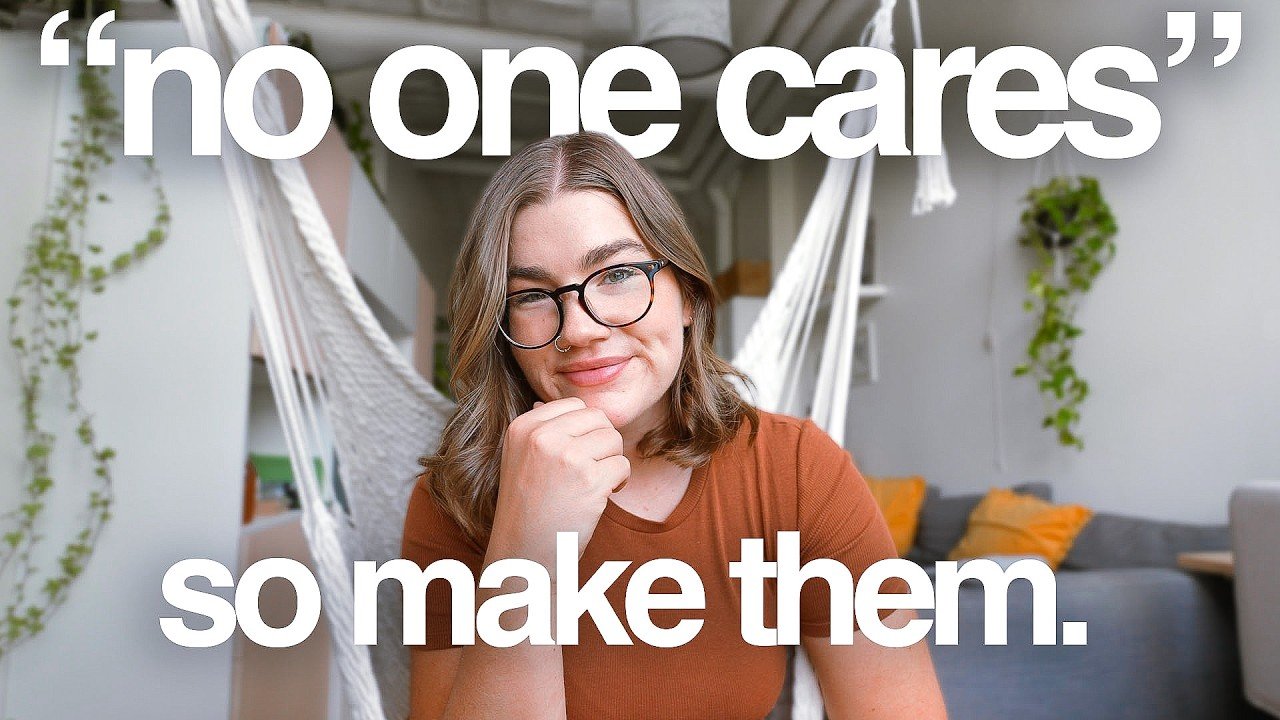
She hit 100,000 subscribers and walked outside to keep vlogging, expecting the insecurity to be gone. It was not. After 15 years building a YouTube channel from scratch into a six-figure brand-deal business, this creator sat down in the last days of her condo filming setup to pass on the 10 lessons that would have saved her years of frustration, lost income, and waiting for a confidence that never arrived on schedule.
Building an audience is closer to meeting someone at a party than cracking an algorithm
The lesson she wishes someone had named clearly at the start: strangers on the internet will not immediately care about your morning routine, but they can be made to care over time. The mechanism is the same as any real relationship. Walk into a party and immediately monologue about your own life, and the person across from you will mentally check out. Ask about them first, take a genuine interest, and they become curious about you in return.
On YouTube, that exchange looks like asking what the person watching actually gets out of giving up 15 minutes of their day. It does not have to be education. Companionship, entertainment, inspiration, even just being a comfort creator are all legitimate forms of value. Start from that frame consistently, and loyalty follows.
Title strategy has shifted just as sharply. Keyword-stuffing a title to chase search results made more sense in 2018 and 2019. In 2026, most viewers arrive through their homepage or recommended feeds. The titles that work now are written like a sentence spoken directly to a person, with ‘you’ doing a lot of the work. A camera comparison titled ‘DJI Osmo Pocket 3 versus Extra Muse, are these cameras really that different?’ becomes ‘Exposing DJI’s secret camera copy.’ A growth tutorial becomes ‘You’re going to be a full-time creator in 2026, here’s how.’ The difference is the difference between a filing system and a conversation.
The packaging comes before the video, and editing beats a new camera every time
One of the costliest habits she describes is finishing a video and then trying to reverse-engineer a compelling title for it. The sunk-cost pressure of an already-edited video leaves a creator stuck with a good idea in bad packaging, and a bad title means almost no one ever sees it. Her fix is what she calls the Frankenstein method: keeping three separate running lists of title ideas, thumbnail tagline text, and video concepts, then mixing and matching across them so the strongest version of all three categories can meet.
Gear anxiety gets a similarly direct correction. Viewers will tolerate slightly grainy footage if the edit is tight and the story moves. She points to Ryan Trahan using Microsoft Paint-style graphics and the show Jetlag filming on iPhones as evidence that a low-fi look is not a liability right now. The one non-negotiable is audio. Poor sound quality loses audiences that grainy visuals would not. The investment she recommends before a new camera is editing skills, or outsourcing the edit entirely.
On brand deals, the math she lays out is specific: agency managers typically take 15 to 20 percent of whatever the brand pays. She has done over six figures a year in brand deal revenue without ever signing with one, negotiating every contract herself. Her reasoning is blunt: ‘These agencies, these managers, they are not pitching for you. They’re just responding to emails that are already coming to your inbox.’
The lesson she held for last is also the one she considers most personal. She spent years convincing herself that a higher subscriber count would make filming in public feel less strange, that some threshold of audience size would arrive and finally authorize the confidence she was looking for. It did not happen at 100,000. Her conclusion is that the waiting itself is the problem, and that the confidence available at 100,000 subscribers is the same confidence available at one.
The condo wall she filmed in front of for years
The familiar filming setup behind her, the one visible in years of videos shot inside that condo, appears in this recording for the last time before a move to a new space.
She has already banked enough B-roll from that room that it will keep appearing in future work for some time yet.
 Wake up to Only Happy News!