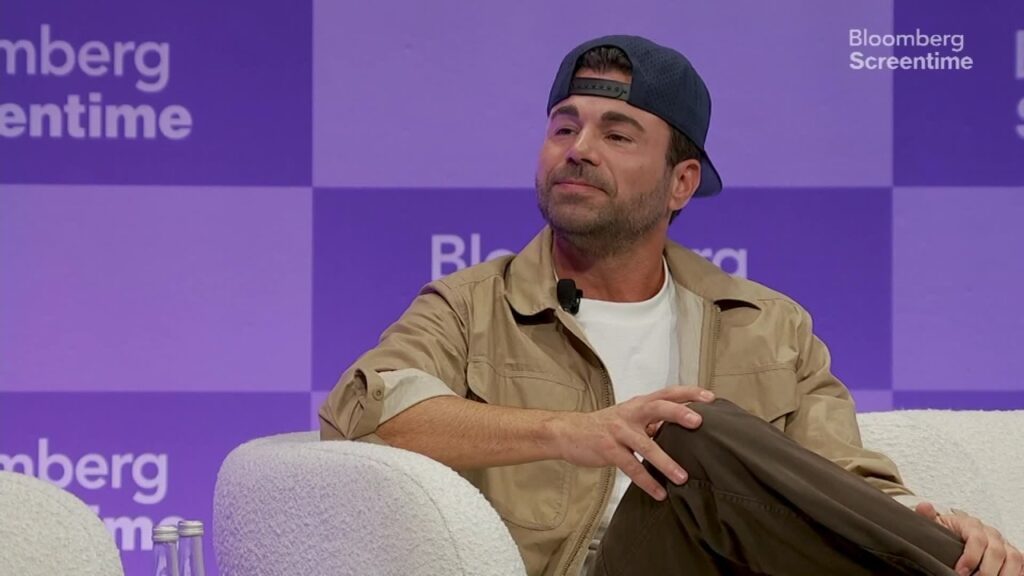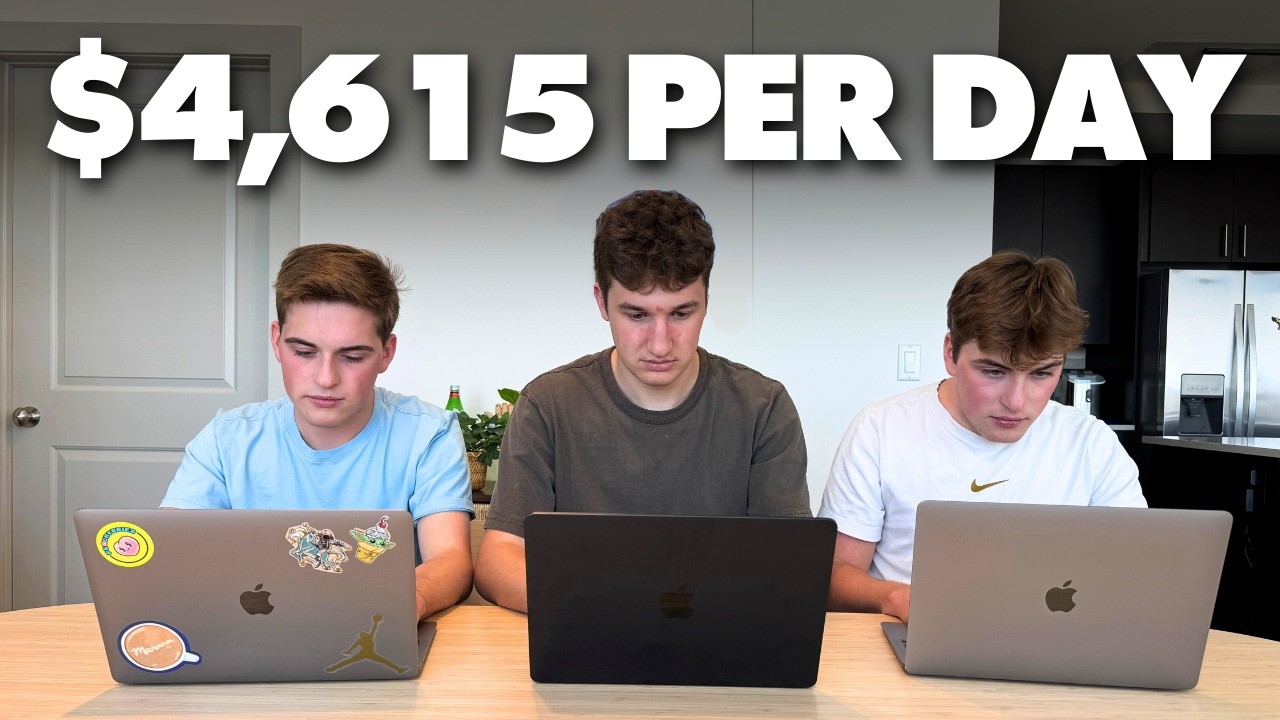
Cole answered his apartment door in Austin, Texas, and immediately waved a skeptical visitor inside. Pat Walls, founder of Starter Story, had flown out after a tweet asking whether anyone was actually making money from video games produced hundreds of responses, and one stood out. Cole claimed to be a top-50 Roblox developer in the world. What Walls found inside that apartment was not one millionaire but three, two of them twin brothers who shared a wall, and the third a childhood friend two doors down.
The game that cost half a million dollars to learn from
Cole has been building on Roblox since he was eight or nine years old, starting in 2013, but the money did not move outside the platform until he was 16. He skipped college, moved to Austin at 18, and went all in. The path looked clean from the outside. It was not. Before his current hit, he spent roughly $300,000 and three years building what he describes as an attempt to combine all the best games into one grand thing. It failed. A separate company where brands could hire content creators to promote their games also collapsed. Total losses: close to half a million dollars across both projects.
The turning point came when he watched his twin brother Ian make a game over a single winter break. That game, originally called Bake the Baby, a title deliberately absurd enough to go viral, pulled over 100 million views across the biggest Roblox YouTube channels, including a play from IShowSpeed. Ian had enough money to drop out of college. Cole, watching from the wreckage of his three-year build, called his programmer and said: ‘Let’s make a game in two weeks.’
That two-week sprint produced Hide or Die, now sitting inside the top 100 games on Roblox with roughly 13,000 concurrent players at any given moment. By the time of this visit it was generating around $45,000 a month from that one title alone. Cole’s total across games and developer consulting splits was tracking toward $70,000 for the month, split with his programming partner.
As Walls put it after watching Cole scroll through live player counts and a code editor packed with thousands of scripts: ‘I just couldn’t believe it.’ Cole is not a programmer himself. He handles UI, building, and business development. His lesson, delivered flatly: ‘Test first, then build. Don’t build, then test.’
Ian’s renamed game, Bathe the Baby, runs with around 150,000 daily active users and earns approximately $25,000 a month, also split 50/50 with a business partner. His average revenue per paying user sits at about $1.50, a figure Cole called out as unusually high the moment Ian pulled up the dashboard.
The marketing agency two doors down
Jake’s business is the strangest of the three and possibly the most scalable. He built a marketing agency called Vector 3 that creates trailers, social media campaigns, and TikTok content for brands entering the Roblox platform. His client list has included Nicki Minaj and SpongeBob. The agency has produced roughly 450 videos and crossed 100 million total views.
His monthly revenue at the time of the visit was $36,150 in, with $10,000 to $15,000 going out in costs, including two full-time staff splitting $10,000 and roughly $5,000 for animation contractors and motion graphics work. Almost all new clients come through LinkedIn content, not cold outreach. His other acquisition tool is paid consulting calls: clients pay to learn his strategy, and then many hire him to execute it.
Jake started playing Roblox in 2011 and spent years bouncing between graphic design, virtual barista shifts in a Roblox cafe, programming gigs, and editing Phantom Forces montages in middle school. The editors from those montage days now work at his company.
Cole’s live dashboard, still mid-round
Hide or Die with 13,000 players mid-session, a countdown timer ticking toward zero, and kids voting on the next map.
All three of them work four or five focused hours a day, phones in another room, headphones on. Around sunset they sit outside together, no devices. Cole summed up the rhythm they have settled into: ‘You’re either working or you’re resting. There’s not that in between.’ The apartment that looked like it might be a rented sham from the taxi turned out to be exactly what it appeared on paper, three people who found each other through scheduled Google Calendar calls, built real friendships, and happen to be running seven-figure businesses before any of them finished college.