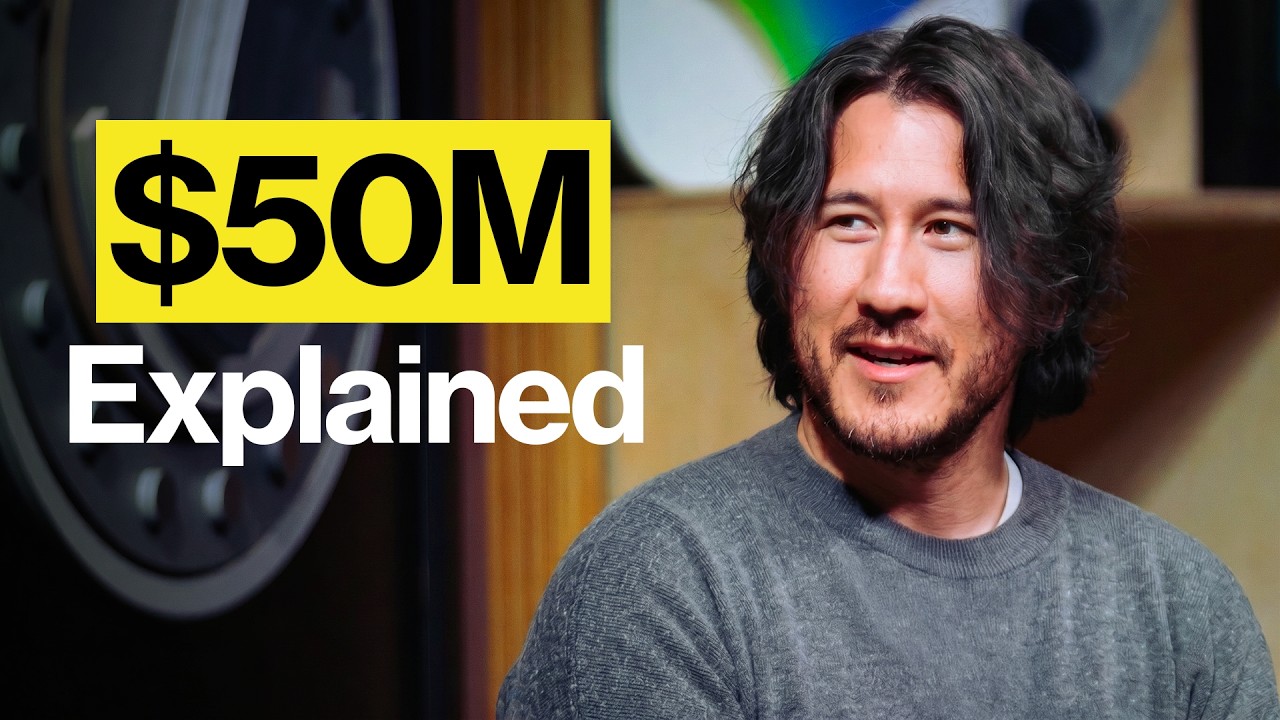
Mark Fischbach sat on a stage at the Fox Studios lot in Los Angeles, in front of more than 650 creators, and said something that sounded almost absurdly simple: he wanted Iron Lung to be at least one person’s favorite movie. The film cost him close to five million dollars of his own money, ran in over 4,600 theaters, and earned close to 52 million dollars at the box office. For a horror film set almost entirely inside a metal submarine surrounded by an ocean of blood, directed and starred in by a YouTuber who had never made a theatrical feature before, Hollywood had no framework for any of it.
A dude in a metal tube reading dials for two hours
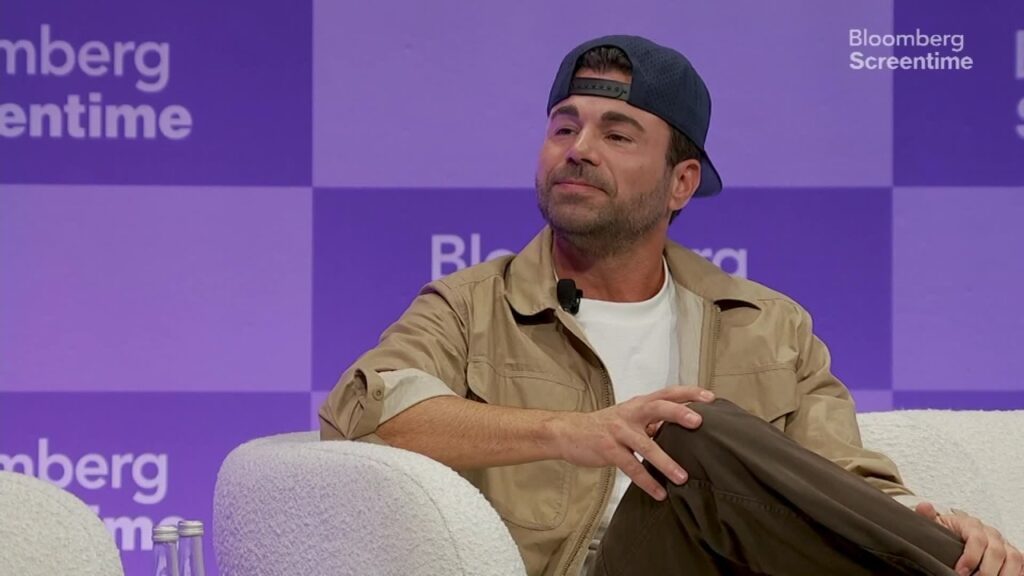
Colin and Samir hosted Fischbach alongside YouTube’s Tim Katz at their Press Publish LA event, and the question that hung over the whole conversation was deceptively basic: how does someone who made gaming videos for 15 years end up running a film that turns heads in a town built on gatekeeping? Fischbach’s answer was that he knew, strategically, what he had to do. ‘If I want to make bigger things in the future, I have to at least make a movie so they can be presented on an even playing field,’ he said. He had already made two YouTube originals, including one that ran to 300-plus pages and 89 videos across six and a half hours of content, and even that had been quietly filed away by the industry as a YouTube thing rather than a real production. A film in theaters was the only credential that would stick.
The logic he chose, a single-location horror movie, felt like a shortcut. It was not. The entire film takes place inside a cramped submarine. Fischbach wrote it, directed it, financed it, and starred in it, and the discipline that imposed on him turned out to be the point. Every concession he wanted to make, every instinct to cut away from the submarine or stretch the frame, was a concession the story could not afford.
The intersection of ego and doubt that YouTube runs on
What made the film travel the way it did had less to do with his subscriber count than with the specific relationship he had built with his audience over years of pulling all-nighters on camera. ‘I’m addicted, thankfully and horrifyingly, to the worst part,’ he told the room, ‘where I’m pulling all-nighters and working really hard on something I don’t think I can do.’ That willingness to fail publicly, to show the process before the result, is what convinced an audience to follow him into a theater.
The lessons he said he will carry into the next project were less romantic: more pre-production, always, and the ability to communicate with specialists. A crew of roughly 100 people made Iron Lung with him. He will never match their individual expertise in practical effects or costume or set design, but knowing enough about each discipline to hold a real conversation with the people doing the work is, he argued, the most transferable skill a YouTuber can bring to a larger production.
Katz noted that Iron Lung would land on YouTube’s movies platform on a transactional basis, available for direct purchase, and that over 15 monetization tools now exist on the platform for creators building toward that kind of release.
The Unus Annus shirt he was still wearing
Fischbach arrived at the event wearing a shirt from Unus Annus, the channel he made with Ethan and his wife Amy that ran a video every day for a year before being deleted on a announced deadline. The final live stream drew 1.7 million concurrent viewers. He called it possibly the best artistic project he will ever make.
Back at home, Iron Lung was about to go live on YouTube the following morning, and Fischbach had not yet filmed the announcement video for his channel. He was going to make it that same day.