Somewhere between a club speaker and a quiet drive home, ‘Memories’ by David Guetta featuring Kid Cudi found its way into a feeling most people could not quite name but recognized instantly. The song arrived as a thesis on nostalgia before nostalgia had become a cultural reflex, and it stuck. What made it land so cleanly was not just the production or the hook, but the specific emotional permission it gave: to look back at reckless, imperfect moments and call them the best ones anyway.
The feeling the hook was always chasing
Kid Cudi’s vocal carries the song’s central tension from its first line. The acknowledgment of chaos, the desire to let it go, and the simultaneous refusal to fully release it sit together without resolution. That is not a flaw in the writing; it is the whole point. The lyric circles the idea that the memories worth keeping are often the ones you cannot cleanly defend, and the production underneath gives that idea room to breathe without explaining it to death. David Guetta‘s arrangement builds with the kind of patience that trusts the listener to feel the weight before the drop arrives.
Cudi’s delivery lands somewhere between confession and celebration, which is a genuinely difficult register to hold. The line about it getting late, repeated and slightly fractured across the track, works as both a literal observation and a softer acknowledgment that certain seasons of life close without announcement. The song does not dramatize that fact. It just lets it sit there, which is the more honest choice.
Why a dance track became a memory itself
There is a reason ‘Memories’ resurfaces reliably at the end of things: graduations, road trips, closing nights in cities people are leaving. It was designed as a floor-filler but it functions as a time capsule. Guetta built the track for movement, but Cudi’s writing gave it somewhere to go after the room empties out.
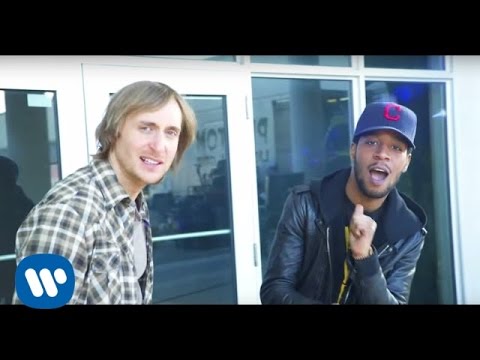
The official visual leans into that duality, pairing the energy of a live crowd with quieter, more interior moments. The result is a piece of work that exists comfortably in two emotional registers at once, loud and reflective, communal and private.
The line that keeps finding people
The clearest proof that ‘Memories’ hit something real is that its core lyric, the idea that all the imperfect, chaotic things you did will one day be the best memories you have, does not feel like a pop sentiment. It feels like something a person older than you told you once, and you did not believe them until later.
The track asks you to believe it early. Most people come back and find out it was right.
Somewhere between a club speaker and a quiet drive home, that hook is still making the case.