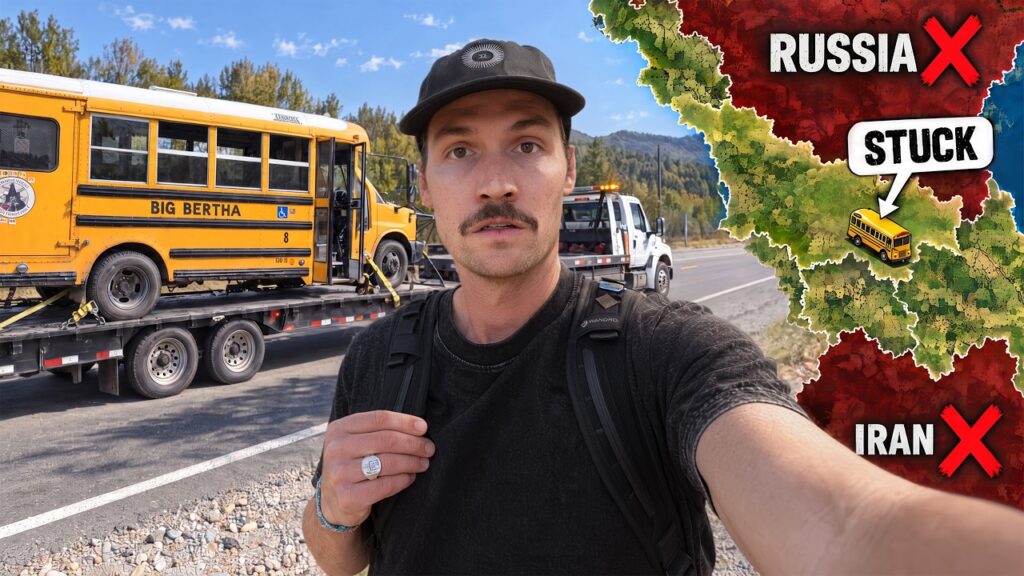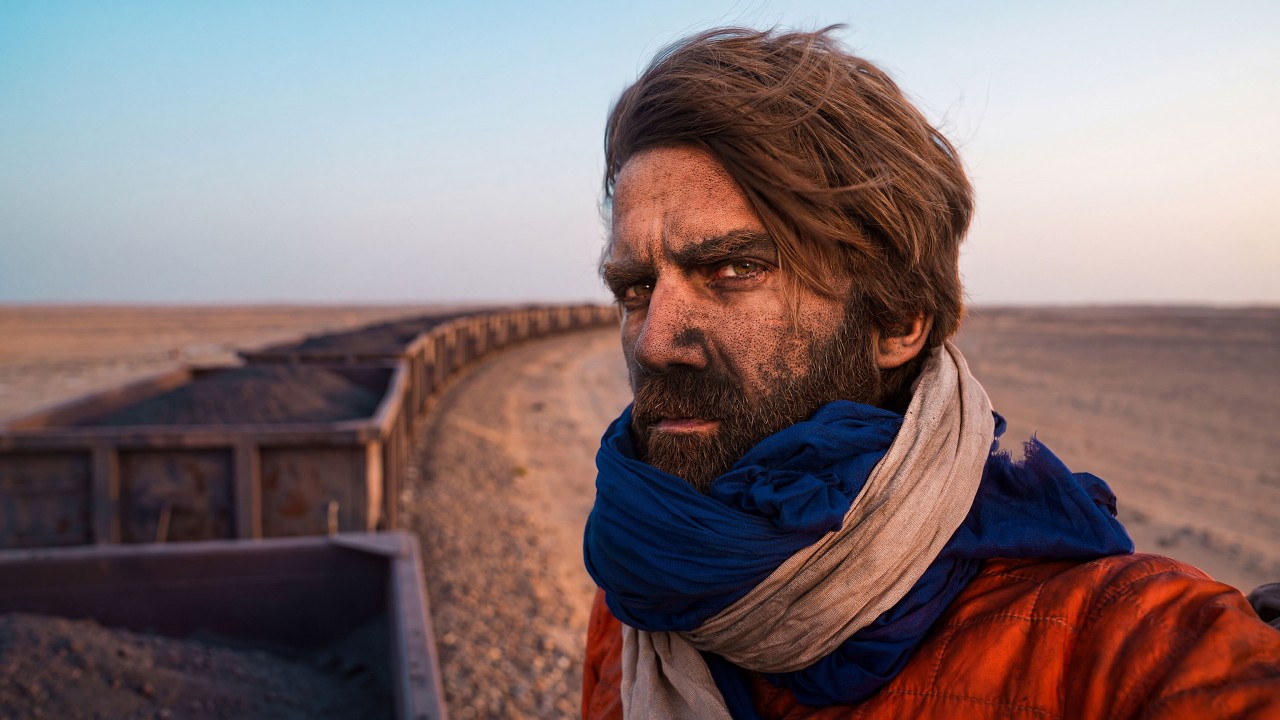
Johnny Harris has spent the better part of a year eating unfamiliar food, asking uncomfortable questions, and sitting across from people that most news cycles never bother to reach. The premise sounds simple, but the ambition behind it is anything but: to look at the forces reshaping the planet not through headlines or think-pieces, but through the specific, breathing, sometimes laughing humans living inside them. What he found, after all that travel and all those conversations, surprised even him.
When the world is only ever shown on its worst days
The standard framing for international news runs on fear. Crisis is the default story. Complexity gets flattened into a warning, and the only acceptable response a viewer is offered is anxiety. Harris set out to test whether that framing was actually telling the whole truth, or just the easiest version of it.
The answer, based on a full year of reporting on the ground, is that it is leaving an enormous amount out. ‘There’s so much more hope out there than what we usually get to see,’ Harris said plainly. ‘It’s not black and white. It’s not gray, either. It’s full of color, painted by people who live inside these stories.’
That color showed up in small, specific moments. A first taste of something unfamiliar: ‘Oh, that is strong.’ A concept that finally clicked after hours of trying to understand it: ‘I finally understand it.’ A dish that needed no explanation at all: ‘Mm, that’s delicious. Wow, that’s good.’ These were not staged reactions. They were the texture of actually being somewhere, with someone, paying attention.
The human element as the actual story
What Harris kept returning to, across all of it, was a particular kind of person: someone sitting inside a massive historical or economic or political force, not as a symbol of that force, but as a person adapting to it. Smiling through it. Looking for a solution inside it. Finding, against the odds, some version of joy in the process.
One subject summed up the feeling of being caught inside change with a line that landed with the kind of honesty that no correspondent summary could replicate: ‘Never thought I’d be doing that.’
That is the sentence the whole year of work was built around. Not a data point. Not a policy outcome. A person, surprised by their own life.
Harris described the project as an attempt to understand the biggest global stories ‘through the human element,’ and framed that not as a stylistic choice but as what he believes the world genuinely needs right now.
A plate of something strong
Somewhere in the year of reporting, at a table Harris has not yet named publicly, someone slid a dish in front of him and watched his face. ‘Oh goodness,’ he said, and then kept eating.
The full shape of the year’s work, all the places traveled and all the people met, is still coming into focus. What is already clear is that the stories Harris has been capturing refuse the simple version. They ask the viewer to sit with someone, feel something specific, and leave with more questions than they arrived with, which, by his own account, is exactly the point.