Most people remember the exact moment they decided to change. The place, the people in the room, the particular weight of it. Dr. Joe Dispenza argues that is not a coincidence. That moment, when a decision lands with enough emotional force that the body physically responds to it, is the neurological event that makes change real. For everyone who has set a New Year’s resolution and watched it dissolve by February, understanding why that happens turns out to matter as much as the resolution itself.
Why the same choice keeps winning
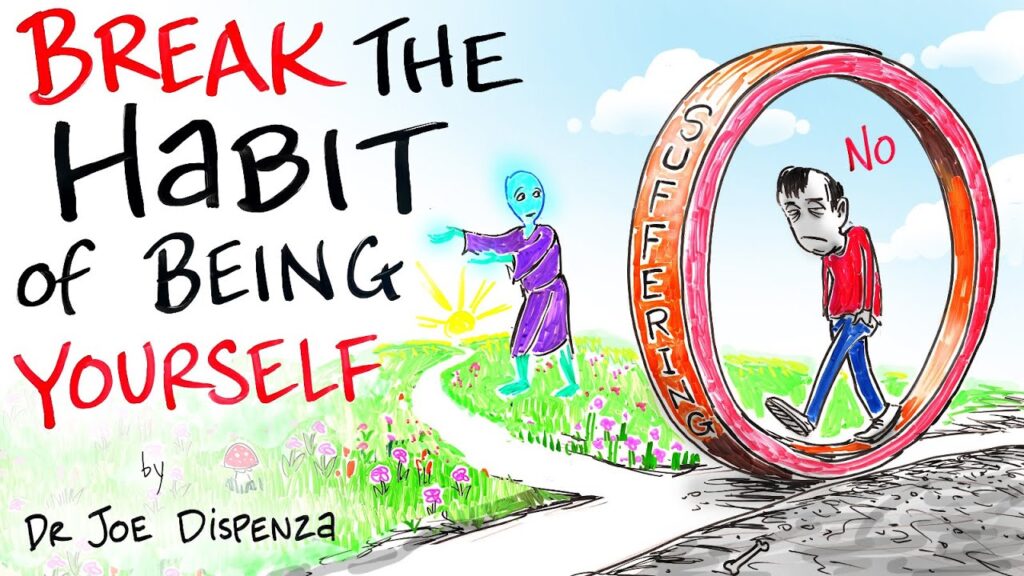
By middle age, according to Dispenza, roughly 95% of who a person is runs as an unconscious program: automatic thoughts, conditioned behaviors, and emotions the body has learned to produce without any deliberate instruction. Those emotions are, in his framing, chemical residue from the past. The body has been trained to feel them so reliably that when someone tries to make a different choice, the discomfort of the unfamiliar triggers an almost physical pull back to the known. Suffering, in this view, can feel like relief compared to uncertainty.
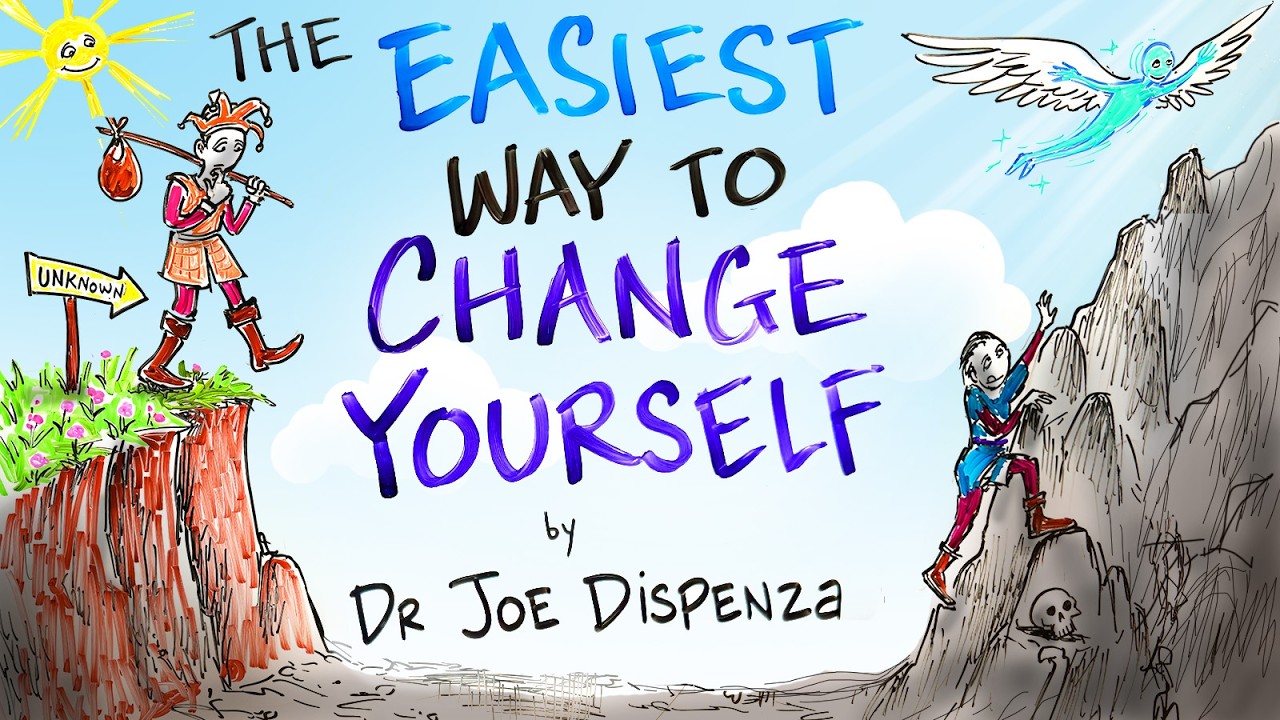
The body, in other words, has become the mind. It sends signals back to the brain to think the familiar thought, make the familiar choice, return to the familiar feeling. Dispenza calls the transition from old self to new self a crossing of a river, and characterizes it plainly as ‘a neurological, biological, chemical, hormonal, genetic death of the old self. That’s the phoenix lighting itself on fire.’ Most people, he says, cling to the familiar shore rather than step into the void. But that void is, in his reading, precisely where creation happens. Research his team has observed suggests the brain changes most dramatically at the exact point where a person feels they cannot go further and wants to quit. Crossing that threshold is the entry point to the unknown, and the unknown is where new circuitry gets built.
Mental rehearsal as a literal construction project
Dispenza’s practical prescription begins not with positive thinking but with metacognition: the uncomfortable act of watching your own unconscious run. Catching the internal voice that says ‘start tomorrow’ or ‘you’re too much like your parents’ without going unconscious to it is, he argues, the actual first step. Once that gap of awareness exists, mental rehearsal does the structural work. Closing your eyes and rehearsing in precise emotional detail how you will behave in a specific situation grows real neural circuits. The brain, he explains, cannot reliably distinguish between a vividly imagined experience and a lived one. Rehearse enough and the hardware becomes software: behavior that was once effortful starts running automatically.
The emotional component is where the shift accelerates. Heart-centered emotions, he says, produce the most dramatic biological changes. When someone can condition the body to feel the emotion of a desired future before that future has arrived, they begin embodying it. They stop waiting for external circumstances to change first.
A journalist who attended one of Dispenza’s longer sessions described watching participants recall their change-decision with the same specificity people use for major life events: the room, the light, the people present. One attendee put it this way: ‘I remember the moment I made up my mind. I was in this place. I was with these people. That moment I would never forget.’
The chair someone left empty at the front
At one session, a single folding chair sat unclaimed in the front row for the first twenty minutes. No name on it, no coat draped over the back.
Dispenza’s core argument lands here: you can learn and change in a state of pain and suffering, which most people wait for, or you can learn and change from a state of joy and inspiration. The choice of starting condition is, itself, the first practice.
 Wake up to Only Happy News!