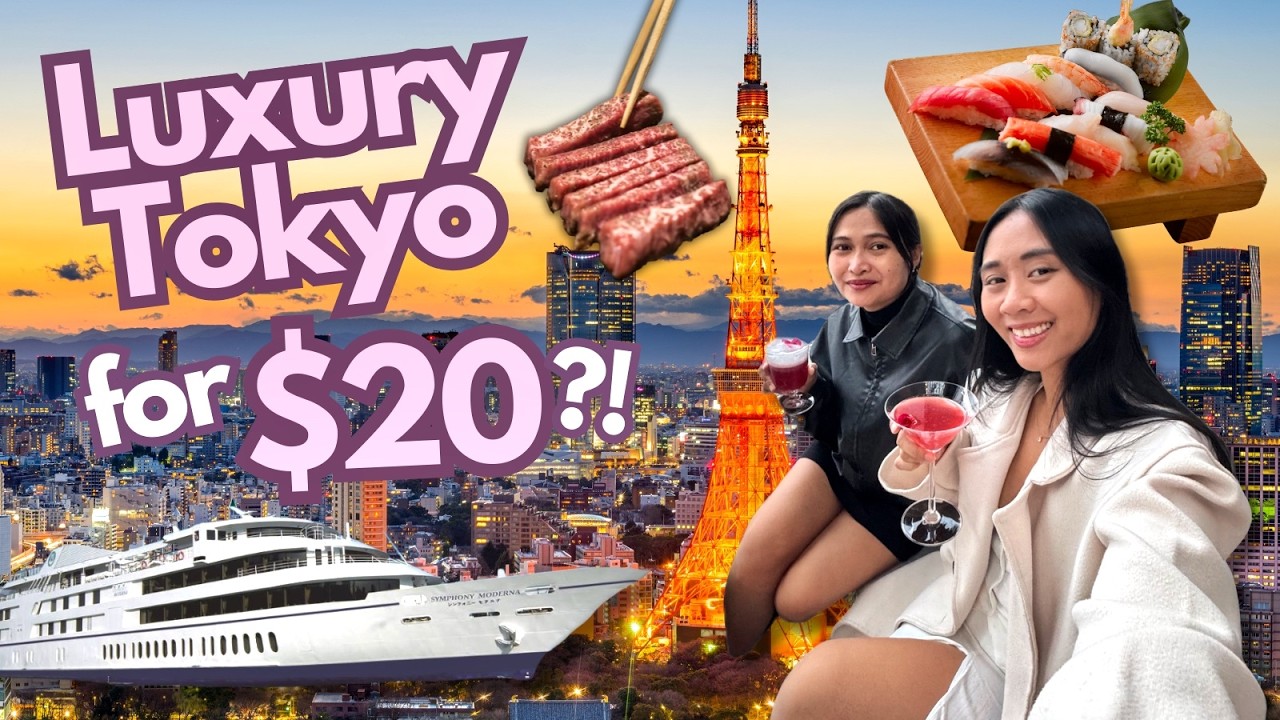
Angela and Aileen stood at the counter of Sushi Azabu with nine other guests, watching a chef slice golden eye snapper to order, and paid thirty dollars each for the privilege. That gap between expectation and reality is exactly what Tokyo keeps hiding from travelers who assume the city is out of their reach. These two budget travel guides spent a full trip stress-testing that assumption, and the results hold up across ten categories, from food to rooftop bars to luxury shopping.
The food hacks that genuinely surprised them
The omakase lunch swap is the single sharpest insight in the whole countdown. A dinner omakase at a high-end sushi counter in Tokyo can run over $120 and sometimes closer to $300, but many of the same restaurants serve the identical fish, prepared by the same chefs, at lunch for roughly half the price. Their thirteen-course lunch at Sushi Azabu came to thirty dollars per person and included fresh amberjack sashimi, fatty tuna, premium sea bream, and the golden eye snapper that Angelica described as melting clean through. The meal closed with soup, green tea, and a silky egg custard. Reservations fill fast, so booking ahead is not optional.
For A5 Wagyu, the move is the twelve-step tower at Ore no Yakiniku in Asakusa. The tower runs about $105 and is sized for two to three people, landing at roughly $35 per head when split three ways. The staff brings it out with a drum roll, and the marbling on each cut is visible from across the table. Their favorite was the chateaubriand, which they described as ‘unbelievably rich, buttery, and literally melted in our mouths.’ The rule: grill only a few seconds per side.
Two more food entries round out the highlights. The basement food halls of luxury department stores, known as depachikas, offer premium unagi bento boxes for around $24 and wagyu bento boxes that regularly get marked down thirty percent. At Mitsukoshi Ginza they paid ten dollars for a wagyu bento at a discount, then took everything up to the ninth-floor terrace where locals eat surrounded by greenery. The real insider move: arrive after 7:30 p.m., when stalls start cutting prices by thirty to seventy percent to clear stock before closing. The second food entry is Tsuta, a Michelin-recommended soba noodle spot where a soy sauce ramen special set arrives with wagyu, tender pork, a perfectly cooked tamago, and a delicate broth hidden under a layer of foam. It reads like fine dining and costs like a casual lunch.
For king crab, a single extra-large leg at Tsukiji Outer Market from the stall they visited ran $56. The smarter option they found: the Ginza Hanako buffet at around $80 per person for unlimited Hokkaido king crab, snow crab from a giant tower, unlimited wagyu, freshly prepared sushi and sashimi, oysters, abalone, and an all-you-can-drink bar across more than 150 dishes.
Free views and forty-dollar skylines
Two Tokyo hotel gardens are free to visit without a reservation or a room. The Japanese garden at Hotel Chinzanso has koi ponds, bamboo, ancient pagodas, and mist machines that release clouds through the grounds on the hour. The garden at Hotel New Otani carries more than 400 years of history and is equally free. For the observation deck hack, they skipped the $20 Skytree ticket entirely and ordered cocktails at the indoor rooftop bar at Andaz Tokyo on the 52nd floor, paying around $18 each for drinks served with complimentary snacks and heated blankets. A full rainbow appeared over the skyline while they sat there.
The afternoon tea cruise on Tokyo Bay costs $25 per person compared to $140 to $200 for the evening dinner cruise. The ship, a chandelier-fitted vessel with a grand piano and uniformed waiters, runs for one hour past Rainbow Bridge, Tokyo Tower, and Tokyo Skytree. Their dessert set included a blueberry cheesecake, a cream puff, a lemon square, and fruit. ‘It kind of felt like having our own little afternoon tea party on the water,’ Angelica said.
For the hotel itself, they booked a superior king room at the Mercure Tokyo Haneda for $110 per night, which included a heated toilet, full pajamas alongside the standard slippers, an air purifier, Netflix and YouTube on the smart TV, and a breakfast buffet for an extra twenty dollars covering unlimited salt-grilled mackerel, smoked salmon, fresh pastries, and a full international spread.
The second-hand luxury shopping section covers stores including Komehyo, Ragtag, and Vintage Q, all stocked with authenticated Louis Vuitton, Chanel, Prada, Gucci, and Dior pieces, many in near-new condition at significantly below retail price.
The cocktail still sitting on the table
One of the two signature cocktails at the Andaz Tokyo rooftop bar arrived covered in smoke. The other was topped with delicate bubbles. Both sat on the table in front of floor-to-ceiling glass, the rainbow still visible outside.
Thirty dollars bought a thirteen-course meal that Angelica and Aileen both described as the best sushi of their lives. The golden eye snapper course came and went in a single bite, and the chef had already moved on to the next piece before anyone thought to say anything.