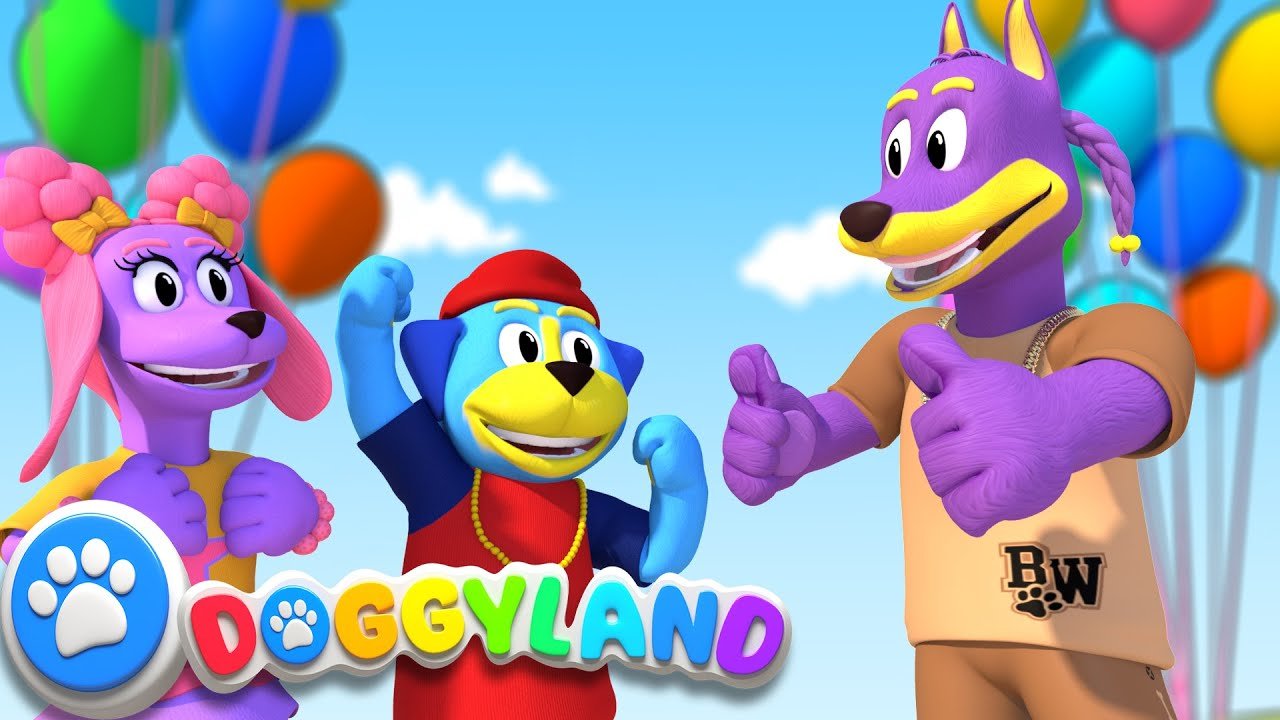
Doggyland opens with a whistle blow and an upbeat chant, and before a child has time to wonder what comes next, they are already repeating the first line back: ‘There is no one better to be than myself.’ That is the whole design. Snoop Dogg’s children’s music project, Doggyland, built its Affirmations Song around a simple call-and-response structure that turns passive listening into active practice, and the result is one of the more quietly ambitious things in the kids’ music space right now.
The song opens with the Doggyland signature ‘Bow, wow, wow’ before settling into its central premise: affirmations are positive statements that help children challenge and overcome negative thoughts. The lyrics do not dress that up. They say it plainly, to a bouncy melody, so a four-year-old can absorb the concept without a parent needing to explain it afterward.
Repeating it out loud is the whole point
Every affirmation in the song gets sung twice: once by the lead voice, once by the children joining in. That echo structure is deliberate. Lines like ‘My feelings matter,’ ‘I learn from my mistakes,’ and ‘Every problem has an answer’ are not delivered as lessons to be memorized. They are practiced, out loud, in real time, in the body, the way a coach runs a drill. The song’s own bridge makes the mechanism explicit: ‘Affirmations are fun and cool, they help us heal and they help us grow.’
The first half of the song focuses on self-worth and emotional identity. ‘I choose to feel happy,’ ‘My family loves me so much,’ and ‘I care about others’ move from the internal to the relational without losing the thread. The second half shifts toward agency and resilience. ‘I am responsible,’ ‘Anything is possible,’ and ‘I control my own happiness’ ask slightly more of the child repeating them, framing difficulty as something navigable rather than something to fear.
Where the song lands after the final chorus
The closing section steps back from the call-and-response and speaks directly to the child: ‘Now we know some new affirmations that we can choose and learn to say, so next time you need a little inspiration to help you have more of a positive day.’ The shift from singing together to speaking to is small but noticeable. It reframes the song as a tool the child now owns, not just a performance they watched.
The track closes on birds chirping over a laid-back instrumental repeat of the word ‘Affirmations,’ which lands less like an ending and more like a cue to go outside.
The whistle that started everything
The whistle blow at the top of the song, right before the first ‘repeat after me,’ sits in the track without further explanation.
For a child already familiar with Doggyland’s cheerful, dog-themed world, that whistle is the signal that something is about to be practiced, not just heard. Whether they catch that or simply start repeating ‘I get better every single day’ without thinking about it much, the song has already done its job.
See why Snoop Dogg Built Doggyland So Kids Could Learn That Love Is Already in Their Hearts