
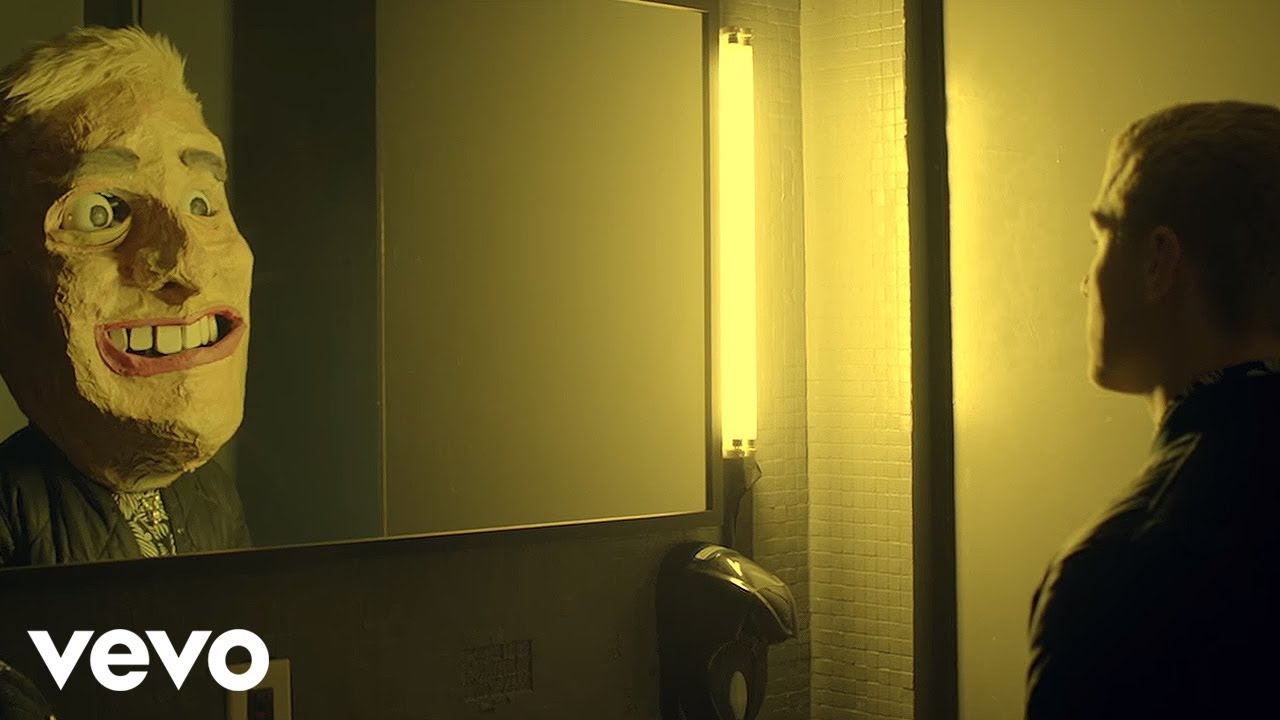
Mike Posner did not write a party anthem. He wrote a confession. The song that became a global dance-floor staple in 2015 and exploded into a billion-stream phenomenon through the Seeb remix began as something far quieter and far more uncomfortable: one artist sitting with the hollow feeling that follows a hit record, asking himself what any of it was actually worth. That tension, between the glittering surface of pop success and the isolation underneath it, is exactly why the song refuses to leave the cultural conversation.
The million dollars that felt like nothing
The lyrics Posner built the track around are almost aggressively specific. A sports car in Los Angeles. Money spent on shoes. A pill taken in Ibiza to impress a fellow superstar DJ. On the surface those details read like a flex; inside the song they function as an indictment. Posner was cataloguing the exact props he had assembled to signal that he belonged, while making clear that possessing them produced no sense of belonging at all. The Seeb production wrapped those confessions in bright, pulsing Norwegian electro-pop, which created one of the stranger artistic ironies of the decade: a song about loneliness that people danced to at festivals attended by thousands.
What made the emotional argument land was the directness of the warning embedded in the chorus. Posner turned to the listener and said plainly that the life being described was not one to envy. The rollercoaster was real, but stepping off it meant standing alone. The bus was real, but no one on it could be trusted. That switch from autobiography to address gave the song a second dimension most radio hits never attempt.
A pop song about a pop song people forgot
Perhaps the sharpest moment in the whole track is the line where Posner describes himself as a singer whose name had become a reminder of a pop song people forgot. He had scored a legitimate hit years earlier, watched the spotlight move on, and was now processing that experience in public. The candor was unusual. Pop music in 2015 was not short on confessional songwriting, but most of it gestured toward vulnerability while keeping the specifics vague. Posner named the Ibiza trip. He named Avicii. He named the inability to let anyone close as the real reason relationships ended, not a schedule. As Posner put it in the song, the truth was that he could not open up.
The Seeb remix still in rotation
The Norwegian production duo Seeb’s version, the one most listeners know, layers the confessional vocal over a rising synth arrangement that seems almost deliberately at war with the words. That contrast is not a flaw. It is the reason the track crossed from the singer-songwriter corner of Spotify into club playlists and radio without losing its original point.
The opening audio fragment preserved on the official upload captures Posner’s own reaction before the first beat drops: ‘THIS FEELS GOOD OH MY GOSH I LOOK CRAZY.’ It is a small, unguarded human moment before the careful artistic construction begins, and it sits there at the top of a recording about the cost of performing a self you do not quite believe in.