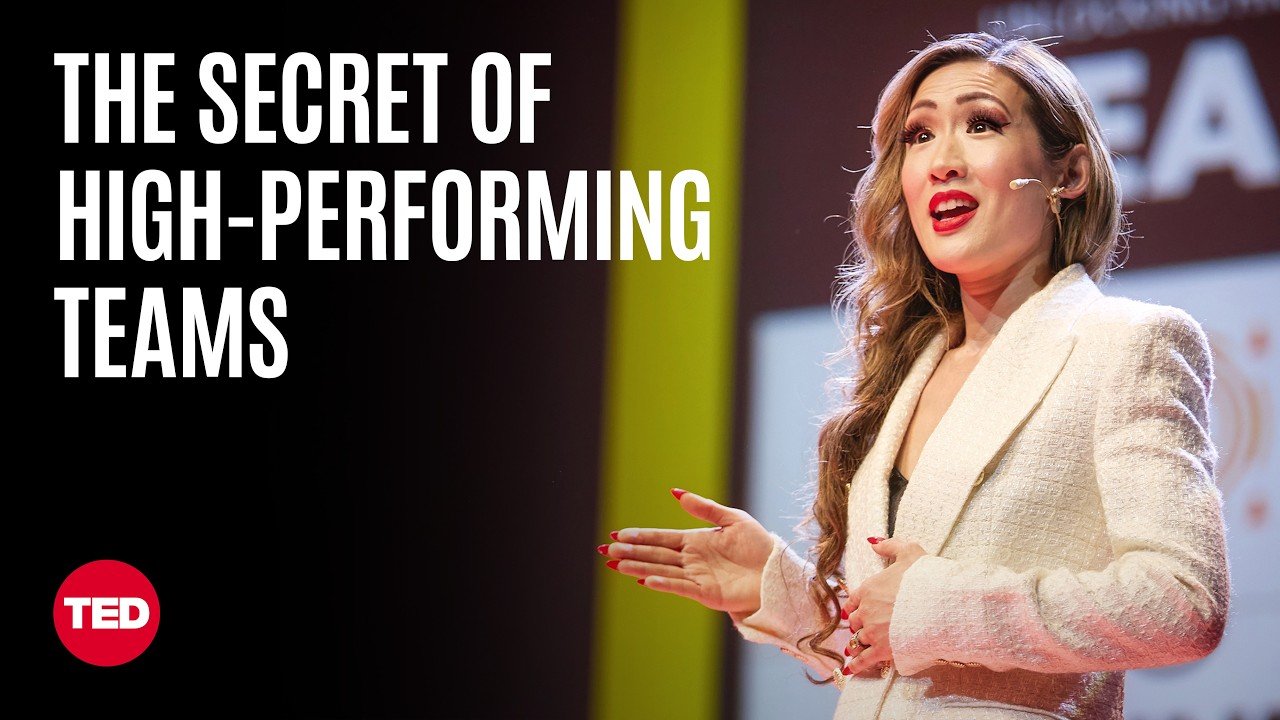
Imagine being an employee who is absolutely certain a promotion is coming – only to discover your manager had no such plans. That jarring disconnect is exactly how Renee St. Jacques, psychologist and executive coach, opens her TED Talk, and it sets the stage for one of the most practical, research-backed leadership conversations to hit the TED stage in recent memory.
The culprit behind that painful gap? The infamous feedback sandwich – praise, criticism, praise – a technique so well-intentioned and so consistently damaging that St. Jacques has made dismantling it a cornerstone of her career. “Despite the manager’s good intentions, the impact was damaging,” she explains. “There was burnout for the manager for overcompensating. There was a breakdown in trust for the employee. And ultimately, unachieved goals for the organization.”
The Leadership Activated Framework: Connect, Correct, and Cultivate
Drawing from her dual background in corporate leadership coaching and counseling psychology, St. Jacques introduces her research-backed framework called Leadership Activated, built on three C’s: connect, correct, and cultivate. She is emphatic that these are not interchangeable priorities or sequential steps to rush through – they function like a tripod. Remove one leg and the entire structure of effective leadership collapses.
The first C, connect, is about psychological safety. St. Jacques cites research showing that the number-one driver of job satisfaction is not compensation, but how valued and appreciated people feel. She coaches managers to use a tone of curiosity, open-ended questions like “Can you help me understand?”, and affirming phrases such as “I see you” and “I hear you. That’s hard.” The payoff is enormous: genuine connection uncovers root issues – imposter syndrome, personal stressors, hidden motivators – that no performance metric ever could. “Correction without connection feels like rejection,” she says plainly.
The second C, correct, is where clarity becomes an act of kindness. St. Jacques recalls coaching a brilliant COO who would simply redo his team’s work rather than address underperformance, telling himself that feedback hurt people. In reality, she argues, “feedback given with psychological safety is actually empowering.” She urges managers to replace vague hints with specific behavioral language: instead of “deadlines are important,” say “The deadline was X, this was submitted on Y, and we need all deadlines met from now on because of a Z impact.” She also champions the word “and” over “but,” and “we” over “you” – small linguistic shifts that keep the focus on behavior, never on worth as a human being.
The third C, cultivate, rejects the annual performance review as a feedback mechanism and replaces it with something far more powerful: real-time, informal, frequent coaching conversations. Asking team members open-ended questions like “What do you think we should do?” doesn’t just empower individuals – it builds a culture of ownership that protects managers from the burnout of overcompensating for an under-functioning team.
Emotional Intelligence Is the Strategy, Not the Soft Option
St. Jacques is direct in challenging the persistent corporate myth that emotional intelligence, or EQ, is “fluff” that distracts from the bottom line. Pointing to decades of research linking EQ to profitability, she argues the opposite is true: “Emotional intelligence is our greatest strategy to results, because our work is only as good as our work with other people.”
She closes with a vision that reaches beyond quarterly targets – a workplace culture that is, in her words, “as kind as it is effective,” and leaders she calls “cycle breakers” capable of interrupting generational patterns of mistrust and disconnection. “What kind of legacy do you want to leave as a leader?” she asks the audience. “Will it be defined solely by the ‘what,’ the bottom-line goals, or will it transcend to the ‘how?'”
Context
Renee St. Jacques delivered this talk as part of the TED series, bringing her combined background as a psychologist and executive coach to an audience of business leaders and managers. Her Leadership Activated framework emerged from hundreds of individual coaching engagements across both corporate and counseling settings, giving it an unusually grounded evidence base. The talk arrives at a moment when organizations worldwide are grappling with record rates of manager burnout, eroding workplace trust, and the accelerating displacement of human roles by AI – making her central argument, that human connection is “the cornerstone and the launching pad to all of our progress,” both timely and urgent.
The ripple effects of St. Jacques’s framework stand to reshape not just individual manager-employee relationships but entire organizational cultures. When a single manager shifts from the feedback sandwich to genuine connection, the psychological safety that follows spreads – teams begin solving problems proactively, employees stop hiding performance struggles, and the culture of ownership St. Jacques describes starts replacing the quiet burnout that costs organizations far more than any missed deadline ever could.