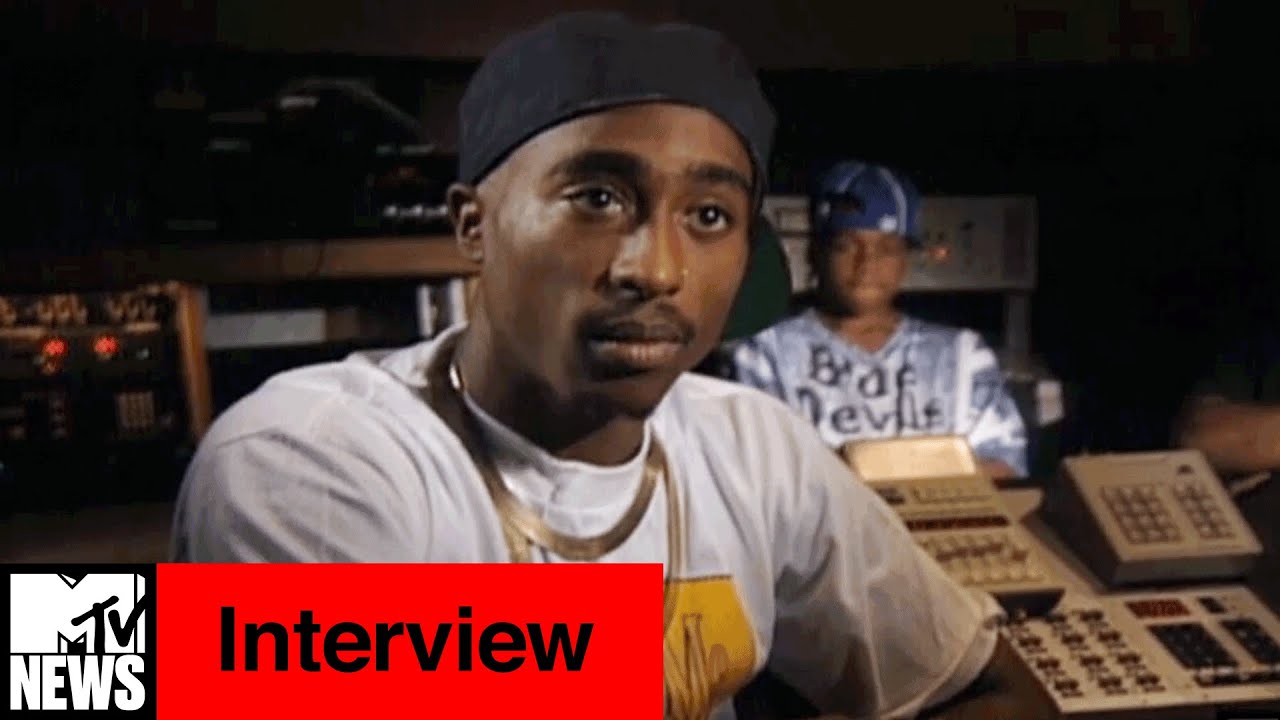
Tupac Shakur was 21 years old when he sat down with MTV News in 1992 and described American wealth with a clarity that stopped the room. He was not rapping. He was reasoning, carefully, about a country he said ran on one principle above everything else: gimme. And the name he reached for to illustrate it was Donald Trump.
The gimme machine, by name
The argument Tupac built was not abstract. He traced it from classrooms to boardrooms, from the way children are taught to compete to the way big business operates at the top. ‘You want to be successful, you want to be like Trump?’ he said. ‘Gimme gimme gimme! Push push push! Step step step! Crush crush crush! That’s how it all is.’ He was not making a partisan point about one man. He was using a specific name to describe a system that rewarded accumulation without limit and punished everyone outside it.
He moved quickly from diagnosis to something more personal: the feeling of walking past someone on the street with $3,000 in your pocket and handing them a quarter. ‘Only you know what you got in your pocket,’ he said. ‘And that’s wrong.’ He applied that same logic upward, to lottery winners collecting 36 million dollars while people slept without apartments, without shacks, without pants. He named Michael Jackson. He named 32 million dollars sitting next to nothing. He asked, plainly: ‘And you can sleep? You can still go to the movies?’
The humanitarian math that did not add up
The sharpest turn in the conversation came when the interviewer pushed back with the obvious counterargument: they earned it, now go earn yours. Tupac accepted half of it. ‘I think they deserve it,’ he said. Then he did not stop there. ‘But even if you earned it you still owe.’ He said the existence of millionaires collecting humanitarian awards in a country with this many poor people was itself the proof of inhumanity, not generosity. The award and the poverty were the same data point.
He was specific about what change could look like without waiting for a political revolution. No more polo grounds: build houses. Keep the 40 billion dollars but stay in one house. If you have two kids, keep it to two rooms. ‘Why have 52 rooms,’ he asked, ‘and you know there’s somebody with no room.’
His larger point about Black Americans specifically was framed as a relationship gone unreciprocated. The country had been lent labor, presence, and time. In return it had dressed itself in jewels and lent money to everyone else. He was not asking for symbolic gestures. He said the help needed to arrive ‘before we all die,’ because the alternative was a reckoning that would come too late for the apology to mean anything.
The Christmas tree nobody mentions
At the end of the interview, Tupac landed on a detail that was almost domestic in its specificity: a family with a huge decorated tree, gifts for everyone, eggnog, a white Christmas, the whole nine. Someone starving nearby. He did not point to a policy failure or a historical injustice to close the thought. He pointed to a living room in December.
The 1992 interview with MTV News surfaced again decades later not because the arguments had become historical curiosities, but because the specific figures Tupac named, the lottery jackpots, the mansions with 52 rooms, the humanitarian award dinners, had only grown larger. The question he left hanging, about whether you can still go to the movies when someone nearby has nothing, did not expire with the year he asked it.