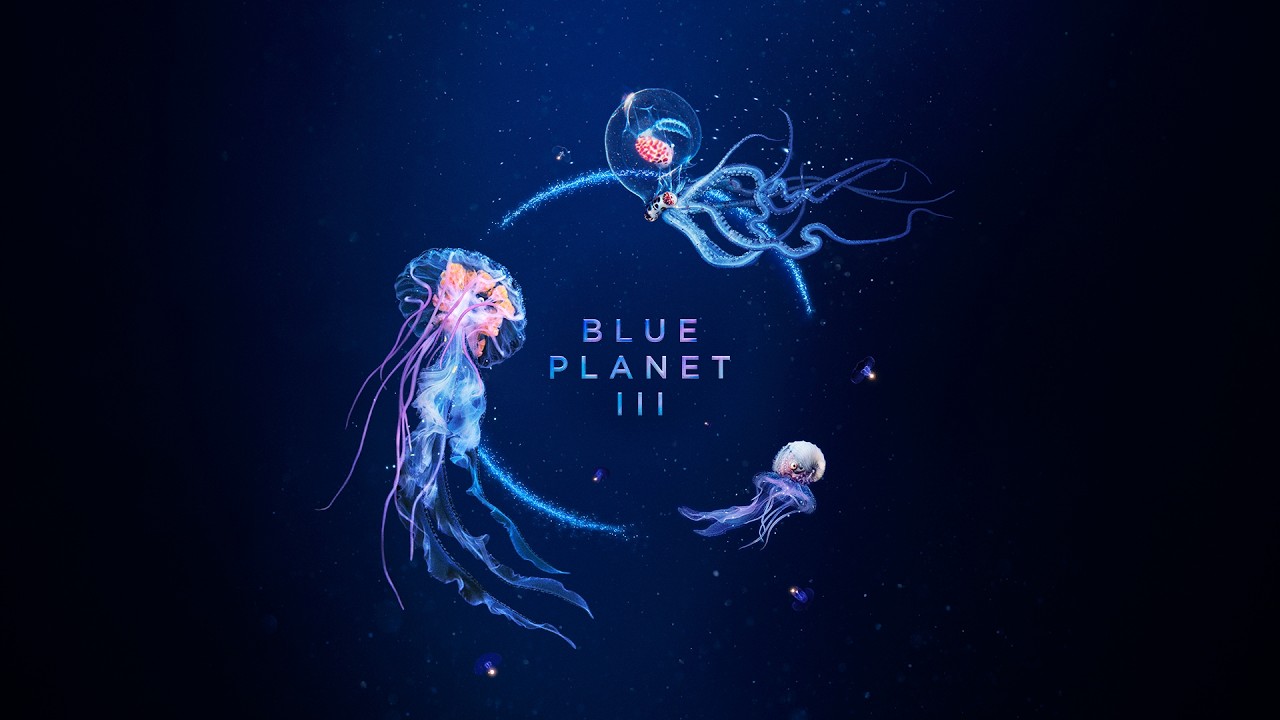
Twenty-five years after the original Blue Planet first pulled cameras beneath the surface of the world’s oceans, BBC Earth is returning to the deep with a third installment, and the opening moments make clear this is not a gentle sequel. The new series promises to travel further into the ocean than any Blue Planet before it, reaching depths where sunlight simply ceases to exist. For anyone who has watched coral bleach or ice shelves calve on a news feed and felt genuinely helpless, this announcement carries a particular weight.
The journey started in 2001 with a series that redefined what nature television could do. Blue Planet II pushed further in 2017, bringing plastic pollution and warming seas into living rooms around the world in a way that moved governments and reshaped grocery-store shelves. Blue Planet III arrives in a moment when the science is no longer speculative: ice is gone, temperatures have climbed, and the creatures that depend on thermal stability are running out of options. The new series frames those realities not as background statistics but as the central dramatic engine of each story it tells.
What JADE and Hans Zimmer built for the deep
The score threading through the announcement is a collaboration between composer Hans Zimmer and the artist JADE, and the pairing is immediately striking. Where earlier Blue Planet music leaned into orchestral grandeur, this new work layers vocals directly into the instrumental bed, so that a human voice is literally inside the ocean sound rather than observing it from above. JADE’s lines arrive as questions rather than statements: ‘How do we rise out of the death? How do we get out of the net? How does it end?’ The effect is less a celebration of the sea than a reckoning with it.
The choice to put those words against images of coral moving ‘like a forest at night’ and ice giving way under pressure is deliberate. The music does not resolve the questions it asks. That unfinished quality is the point.
Life more surprising than anyone realized
The announcement makes one explicit editorial promise that sets the bar high: Blue Planet III will uncover life that is ‘more surprising, more intelligent, and even more precious than we ever realized.’ That language is careful. It does not say the ocean is recoverable or that the news will be good. It says the creatures in it are more complex than previous expeditions captured, and that understanding that complexity is now, as the narration puts it, ‘more important than ever.’
The series frames the human relationship with the ocean not as stewardship from the outside but as something the two sides share, a relationship the deep is also party to, conducting what the announcement calls its ‘ancient language’ whether anyone is listening or not.
The coral moving in cold water
One image in the announcement lingers: coral bending slowly in a current, rendered in a color register the narration describes plainly as colors ‘we don’t recognize.’ No explanation is offered for why those colors exist at that depth or what they signal about the reef’s condition. The image simply holds.
Twenty-five years after cameras first went under, the ocean has changed. Blue Planet III is going back down to find out exactly how much.