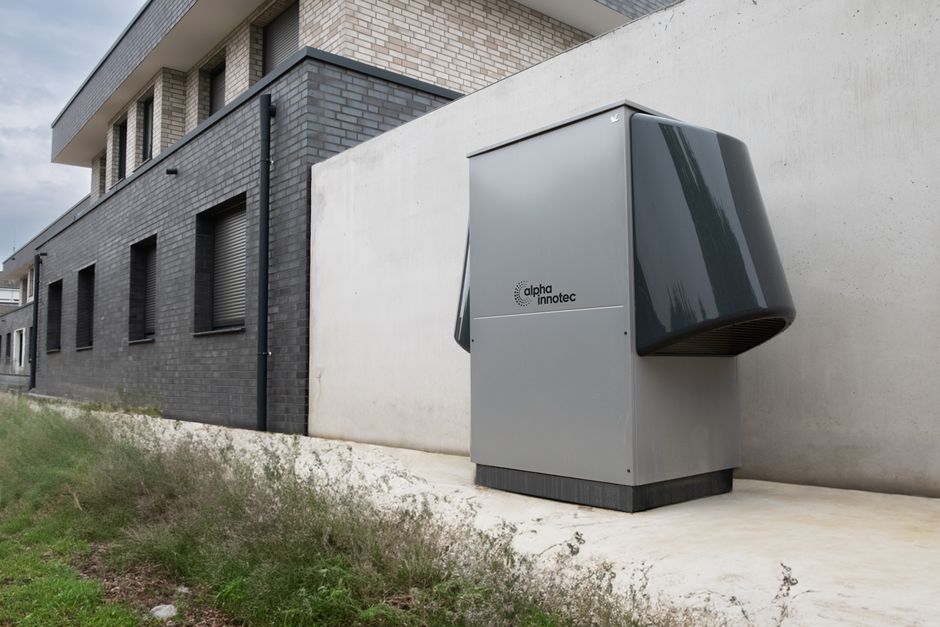
In 46% of all new homes built in the United States last year, contractors finished construction with a heat pump already installed – putting these devices just one percentage point behind conventional HVAC systems that have dominated residential construction for decades. That single-percentage-point gap is the real story here. This article breaks down how fast the shift is happening, what’s driving builder adoption, and what it means for home energy use going forward.
How Heat Pumps Closed a Decades-Long Gap in One Housing Cycle
Heat pumps work by moving heat rather than generating it – pulling warmth from outside air in winter and reversing the process in summer to cool interior spaces. That mechanical logic makes them significantly more energy-efficient than furnace-and-AC setups that burn fuel or run electric resistance coils directly. For years, the technology existed but sat at the margins of residential construction. Builders defaulted to familiar systems. Buyers didn’t ask questions. Then the numbers started shifting fast.
Hitting 46% of new-home completions in a single year isn’t a gradual creep. It’s a structural change in how American homes get built. The remaining 47% or so of homes still using conventional heating and cooling systems now represents the shrinking side of the market – not the dominant one.
Federal Incentives and State Mandates Pushed Builder Math in One Direction
The climb toward heat pump dominance didn’t happen in isolation. Federal rebate programs and tax credits – accelerated through recent climate and energy legislation – made heat pump installation cheaper at the point of construction. Several states layered on additional incentives or set efficiency benchmarks that steered builders toward electrified systems. When the cost gap between a heat pump and a conventional system narrows at the construction stage, builders follow the easier compliance path. That’s exactly what appears to have happened across the country’s new housing stock.
Homeowners in finished properties also benefit from lower operating costs over time. Heat pumps use less energy per unit of heating or cooling delivered, which translates to reduced monthly utility bills – a practical upside that sits completely apart from any climate framing.
What the 46% Figure Signals for U.S. Grid Demand and Utility Planning
A housing sector tilting this sharply toward electrified HVAC has direct consequences for utility companies and grid operators. As more homes run heating and cooling on electricity rather than natural gas or oil, peak demand patterns shift. Utilities that have spent years planning around gas-heavy residential load profiles now face a different forecasting reality. The 46% new-home figure – if it continues growing toward majority status – means planners need to account for larger electrical draws during cold snaps, not just summer cooling peaks. That’s a real logistical challenge for grid operators, but also a signal that investment in grid capacity and storage is no longer optional planning – it’s catch-up work.
For the broader residential energy picture, the shift also reduces dependence on fossil fuel supply chains that have historically driven home heating cost volatility during winter months.
Last year’s new-home construction data puts heat pumps at the edge of a majority position – one more percentage point and they cross it. Given the trajectory visible in just the past few years, that crossover looks less like a distant milestone and more like a near-term certainty, building by building.
Source: Read original