Mine waste has been one of the most stubborn environmental liabilities in the extraction industry for decades – acid drainage from tailings piles contaminates waterways, poisons soil, and lingers for generations after a mine closes. Now researchers at Arizona State University are testing an enzyme-based solution designed to limit that damage at the source, arriving at a moment when American mining is ramping up fast to close a critical minerals supply gap.
Here is what the ASU research involves, why it matters right now for domestic mining, and what early testing looks like.
The Acid Drainage Problem ASU’s Enzyme Is Built to Fight
When sulfide minerals in mine waste get exposed to air and water, a chemical reaction produces sulfuric acid. That acid leaches heavy metals – arsenic, lead, cadmium – into surrounding groundwater and streams. It is a known, widespread problem that has left contaminated sites across the American West sitting in regulatory limbo for decades, with cleanup costs running into the billions across the country.
The ASU team’s approach centers on deploying a specific enzyme to interrupt that reaction before the acid forms. Rather than containing the damage after the fact, the enzyme targets the biological and chemical process driving it. Testing is currently underway, meaning the research is past pure theory and into applied field and lab conditions – a meaningful step forward.
Why the Timing Aligns With America’s Critical Minerals Push
The United States has spent the past several years confronting a stark reality: it depends heavily on foreign sources for minerals like lithium, cobalt, copper, and rare earth elements that modern electronics, defense systems, and clean energy infrastructure all require. Precious metals prices have also surged, pulling more mining investment back toward domestic projects that were previously considered marginal.
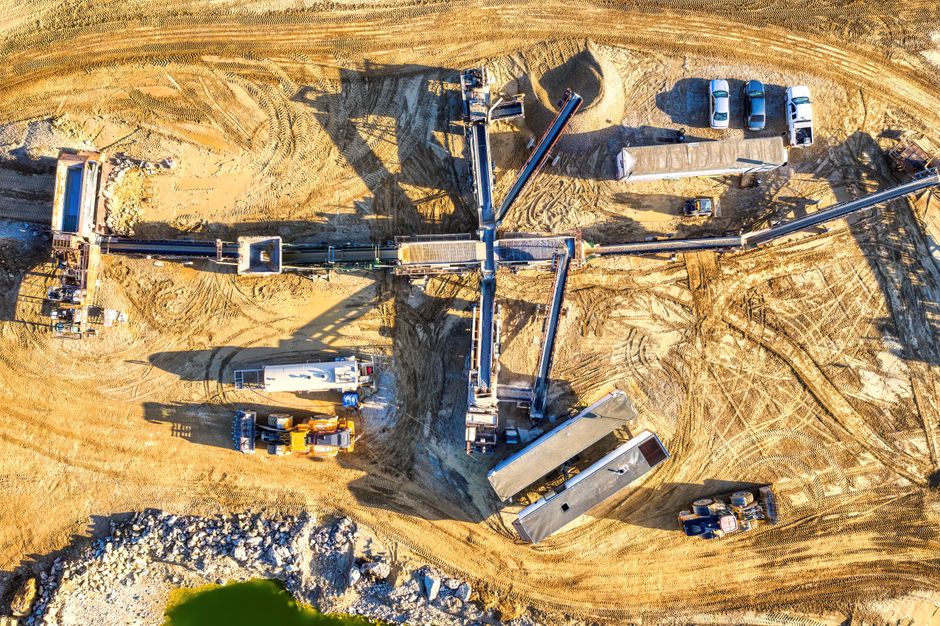
More mines opening – or reopening – means more tailings, more waste rock, and more potential contamination exposure. An enzyme treatment that works at scale could give regulators and mining operators a practical tool to approve and operate new extraction projects with a smaller environmental footprint. That is the practical upside ASU’s research is chasing.
What ASU’s Enzyme Research Means for Western Mining Remediation Costs
If enzyme-based neutralization proves viable beyond current testing, the downstream effect for the American West could be significant. Superfund-listed mine sites cost federal and state governments enormous sums in ongoing containment. A preventive biological treatment applied during active mining – rather than a remediation effort mounted years after closure – could shift the economics of cleanup substantially. Regulators evaluating new mine permits would have a credible mitigation tool to point to, potentially accelerating approvals for deposits of critical minerals that have stalled over environmental review concerns.
The ASU researchers are still in the testing phase, and scaling any enzyme application from a lab bench to an active mine site carries its own set of engineering challenges. But the fact that a workable biological mechanism has been identified and is now being put through real conditions puts the solution closer to practical use than it has ever been – which, given how long mine waste contamination has gone without a clean answer, is itself a notable development.
Source: Read original