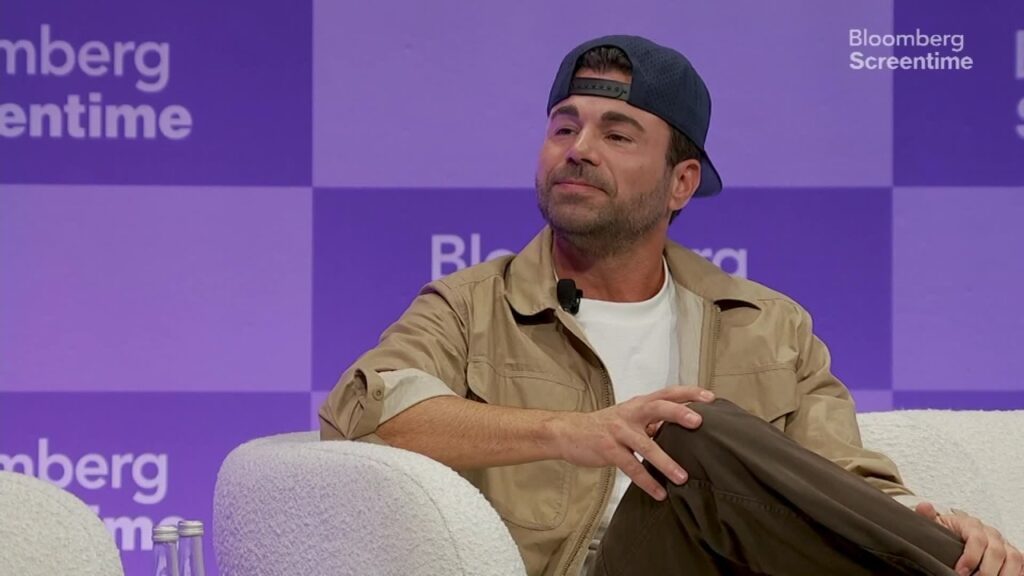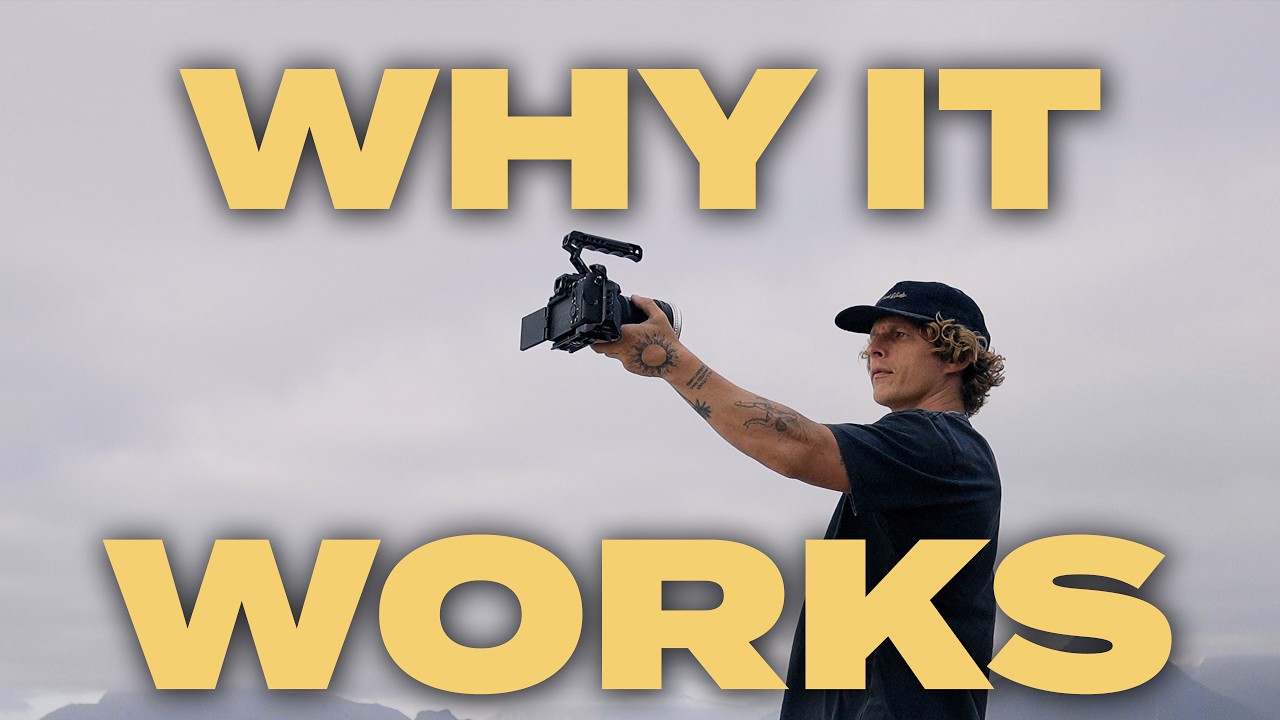
Sean Kitching is adjusting his hat mid-sentence, and that small, unremarkable gesture is entirely the point. For most people, pointing a camera at themselves and talking into a single glass lens is one of the stranger things a human being can be asked to do, and the awkwardness shows up in predictable ways: stiff posture, formal language, sentences that sound rehearsed because they were. Kitching, a creator who makes practical guidance for people building a presence online, has assembled a set of low-friction techniques for short-circuiting that discomfort, and none of them require expensive gear or a background in performance.
Drop the job-interview voice first
The most common mistake Kitching flags is the formal opener, the kind that begins with ‘Hey guys, I’m Sean, welcome to my YouTube channel, I like to make videos, and today we are going to be talking about.’ He is direct about it: ‘I hope you’re still watching. If I was you, I probably wouldn’t be watching.’ The instinct to perform a kind of professional introduction exists because other creators do it, not because it works. The correction is to speak the way a person actually speaks to a friend sitting across the room. Small, unscripted physical gestures, like adjusting a hat, reinforce that casualness in ways a scripted intro cannot.
The same logic applies to addressing the audience. Saying ‘hey everyone’ or ‘hey guys’ implies a crowd, but the person receiving the footage is a single viewer watching alone. A one-on-one framing, even an imperfect attempt at it, makes the exchange feel more direct.
Bullet points beat word-for-word scripts for similar reasons. Reading memorized lines in chunks creates a stop-start rhythm that editing can only partly fix. Speaking freely from a topic list produces longer usable takes and a more natural cadence.
Energy, hands, and a fake smile that actually works
Kitching’s energy calibration is specific: he estimates that roughly two points on a ten-point scale of expressiveness get lost in the translation from real life to recorded footage. That gap needs to be filled deliberately, though not with the high-volume shouting style common among high-retention creators. ‘Stay calm and smooth,’ he says, ‘but be slightly more animated and uplifting than you would be in normal life.’
Hands help close that gap. Staying within a modest gesture zone, what he calls a power box, adds warmth and forward motion without tipping into distraction. A slight, deliberate smile works in tandem with it, and although it feels strange at first, the combination rounds off the on-camera impression in a way that reads as genuine comfort even when the person behind the lens is not feeling it yet.
The exercise he recommends for building that comfort is almost disarmingly simple: find a private space, hit record, and just sit there. No material to present, no obligation to watch it back. The goal is repeated exposure to the mild discomfort of recording while nothing is at stake. ‘That uncomfortability of sitting in front of it and just going head first into it fades away quicker than you would think,’ he says. Delete the footage afterward if needed. The practice is the point, not the output.
The hat Kitching adjusted before saying a word
That quick adjustment at the start, a small human habit captured on a running recording, sits in the frame without ceremony or explanation.
For this particular set of tips, Kitching did not redo a single take. He worked from bullet points, not a written script, and the result is a single unbroken flow of someone thinking out loud rather than performing prepared material, which is, somewhat neatly, the entire argument he is making.