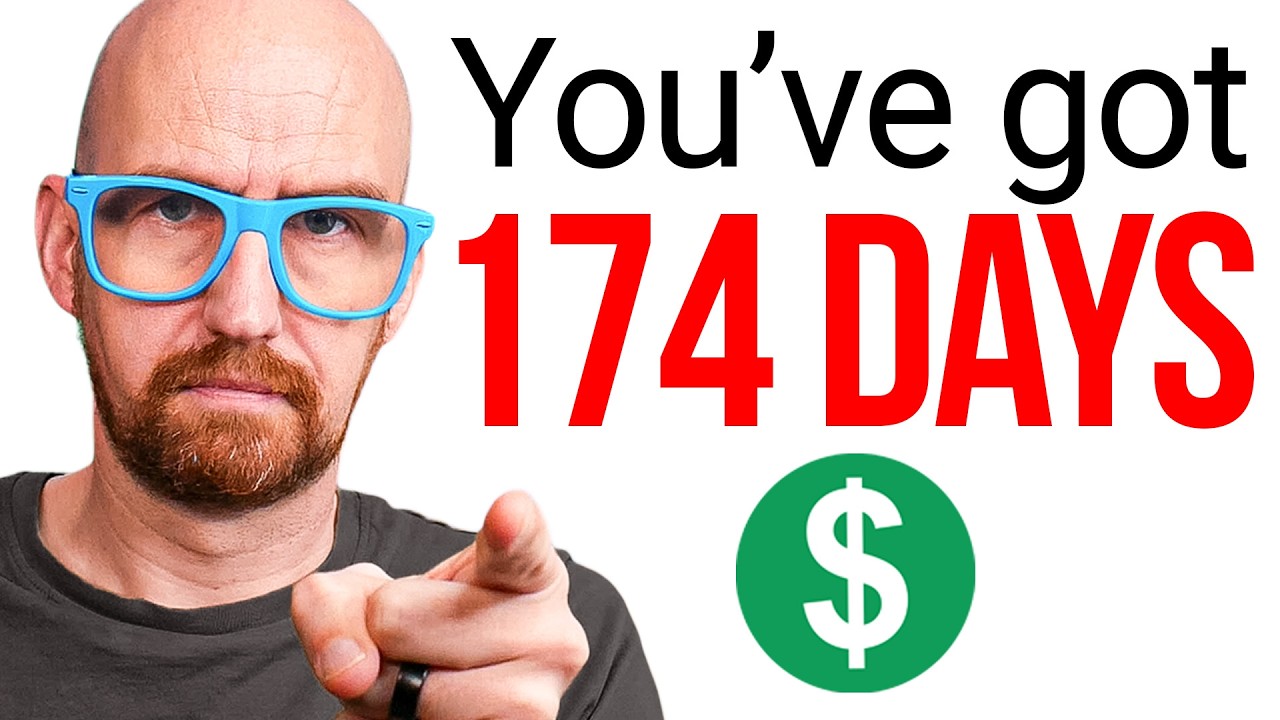
The number that changed everything for aspiring YouTube creators is not a follower count or a subscriber milestone. It is 8,000. That is the new minimum watch hours required in a 12-month period to unlock ad revenue on YouTube, up from 4,000, and the clock to hit it before the old rules expire is running. With roughly 174 days left before the February 1, 2027 deadline, creators who are already partway toward monetization are now racing a finish line that just moved.
What actually changed and what stayed the same
The lowest tier of the YouTube Partner Program has not moved. Channels still need 500 subscribers plus either 3,000 watch hours over 12 months or 3 million Shorts views over 90 days to access fan funding features like channel memberships and Super Chats. That threshold does not include ad revenue.
Ad revenue is where the rules shifted. The subscriber requirement stays at 1,000, with no time limit to reach it. But the watch hour floor for long-form content doubles from 4,000 to 8,000 hours over a 12-month window. For Shorts, the requirement doubles too: from 10 million views to 20 million views over a 90-day period. YouTube acknowledged in its own announcement that the previous thresholds had been in place since 2018, unchanged, while the platform grew to billions of monthly viewers.
To put the new numbers in daily terms: hitting 8,000 watch hours in a year means averaging 22 hours of watch time every single day, or 264 views on a 10-minute video that holds viewers for an average of five minutes, every day. The Shorts math is steeper: 20 million views in 90 days works out to 222,222 views per day.
Already monetized channels face a separate set of deadlines
For creators already inside the YouTube Partner Program, the rules are more forgiving than the entry requirements suggest. A channel will not be removed from the program simply for falling below the new thresholds after February 1, 2027. YouTube is introducing channel activity requirements to keep existing channels monetized: at least 1,000 watch hours over the previous 12 months, or 1 million Shorts views over the previous 90 days, or at least two long-form videos or five Shorts published in a 90-day window. If a channel drops below those markers, there is a 90-day window to recover, up from the 30-day window YouTube previously gave creators.
One area that caught channels by surprise is the Shorts earnings floor. Once monetized, a channel must maintain 10 million qualified Shorts views every 90 days to earn any Shorts revenue at all. The vidIQ channel itself lands just under that number in raw views, but when only engaged views count, the gap is more than 4 million views short of the threshold. The net result, as vidIQ calculated, is a loss of roughly $1,080 in Shorts revenue, or about $350 a month, once the new requirement takes effect.
There is also a policy agreement deadline sitting one day before the main cutover. Monetized creators must accept the updated YouTube Partner Program policies by January 31, 2027. Missing that step could pause earnings regardless of whether a channel meets every other requirement.
The creator who almost made it in December
Here is the scenario that no one wants to live: a creator reaches 3,900 watch hours on January 31, 2027, one day before the old 4,000-hour threshold would have cleared them under the rules they had been working toward for months.
VidIQ noted that no official grace period has been announced for creators caught that close to the wire, though the question remains open. Renee Richie, who leads creator liaison work at YouTube, is reportedly monitoring community response to the updates closely.
For creators who have already started their YouTube journey with a few hundred subscribers and several hundred watch hours banked, the calculation is straightforward. The rules that currently exist are still the rules until February 1, 2027. Anyone who clears the old thresholds before that date gets in under the existing bar. The new, higher requirements only apply to applications made after the deadline passes.