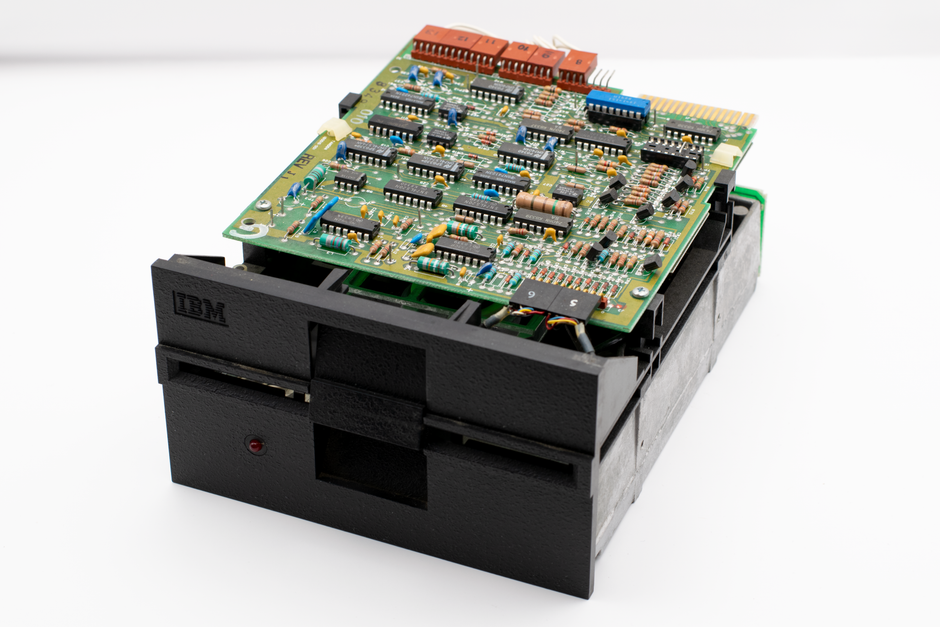
On August 12, 1981, IBM released its first personal computer – a machine built almost entirely by outsiders. The development team deliberately bypassed IBM’s internal procurement rules, sourcing most of the parts and software from third-party vendors and operating as a self-contained independent business unit. Here is a look at what made that launch unusual, and why the open-architecture decision still echoes through every laptop and desktop sold today.
How IBM’s Rule-Breaking Team Assembled a Computer in Under a Year
The team, working under a project structure deliberately insulated from IBM’s standard corporate process, pulled together components from external suppliers rather than building everything in-house – the opposite of how IBM had always operated. That approach compressed the development timeline dramatically. What normally took years inside a company of IBM’s scale was done in roughly 12 months. The machine itself ran on an Intel processor and used an operating system sourced from a small outside software firm, a procurement choice that would turn out to be one of the most consequential vendor agreements in technology history.
The ‘Open Architecture’ Call That Let a Thousand Clones Bloom
IBM’s decision to build the PC around publicly available, off-the-shelf components – rather than proprietary IBM-only hardware – meant that other manufacturers could study the design and build compatible machines. That single structural choice created the ‘IBM-compatible’ PC market, which eventually became the dominant global standard for personal computing. Competitors could replicate the hardware. They could not, however, replicate the operating system license, a detail that quietly handed enormous leverage to the outside software firm IBM had contracted. The ripple from that arrangement shaped the entire software industry for decades.
What the IBM PC’s Open-Component Model Did to the Personal Computer Market’s Growth Rate
The open-architecture approach did not just produce one successful product – it deregulated an entire product category. Because any manufacturer could source the same parts and build a compatible machine, prices fell sharply across the industry and adoption accelerated well beyond what a closed, proprietary system would have allowed. Schools, small businesses, and households that could not have justified the cost of earlier computing hardware entered the market within a few years of the 1981 launch. That compression of the adoption curve – from niche professional tool to household item – happened faster in personal computing than in almost any consumer technology category before it.
Forty-five years later, the machine sitting on a desk or open on a lap almost anywhere in the world still traces its basic architecture back to the decisions that small, rule-bending IBM team made under deadline in 1981.
Source: Read original