
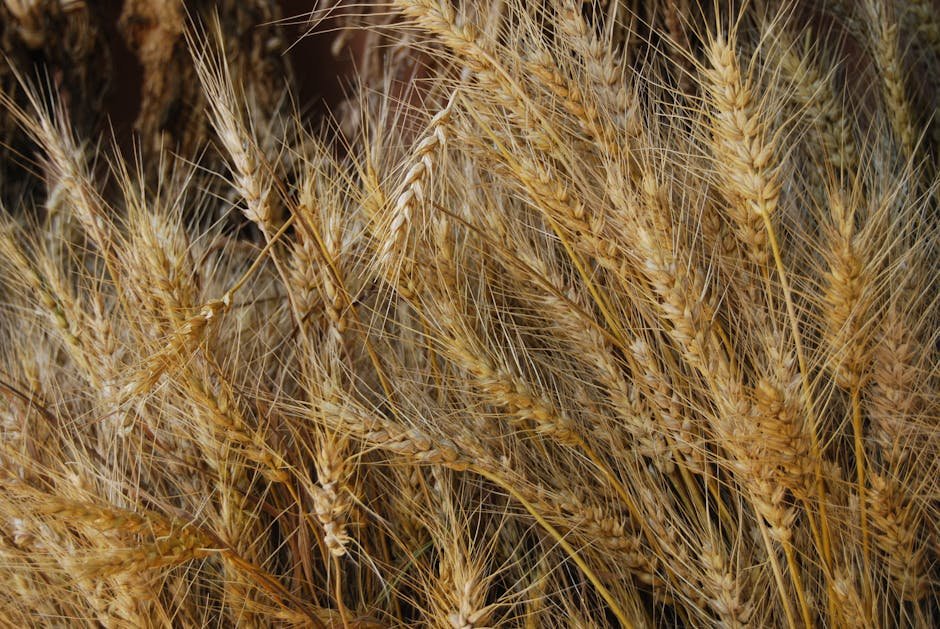
Farmers in Colorado’s San Luis Valley are now growing 3,000 to 5,000 acres of rye per year, up from an initial goal of just 120 acres — and in doing so, they’re helping conserve water in one of the most water-stressed regions in the American West.
A Grain That Uses Half the Water
The San Luis Valley sits above 7,500 feet and receives roughly seven inches of rainfall per year — making it an alpine desert. This year, snowpack is sitting at just 13 percent of average. Against that backdrop, rye’s water efficiency is striking: it requires only 10 to 12 inches of water per acre, compared to 24 to 26 inches for alfalfa and 18 to 20 inches for barley. Across a standard 120-acre field, that difference is enormous.
Sarah Jones of Jones Farm Organics — a fifth-generation family farm in the valley best known for potatoes, the San Luis Valley being the second-largest potato-growing region in the United States — started experimenting with rye after returning to the valley in 2017. Her father-in-law, Rob Jones, had been planting rye as a cover crop since the 1980s. Sarah and co-founder Heather Dutton, manager of the San Luis Valley Water Conservation District, launched the Rye Resurgence Project in 2023 to expand rye farming across the valley.
771,409 Pounds Sold and Counting
The project has already helped farmers sell 771,409 pounds of rye at an average rate of $0.62 per pound — exceeding their original targets. The initial goal was 10 farms growing 120 acres and selling 300 of the 1,200 total acres. They blew past that. Farmers have joined simply by watching rye work for their neighbors.
The project now counts more than 100 partners across Colorado, including local miller Kris Gosar of Gosar Natural Foods, whose Mountain Mama Flour is distributed across southern Colorado and northern New Mexico. Tumbleweed Bread, a cafe in downtown Monte Vista opened by Jessica Larriva in March 2025, uses rye in nearly all of its cookies, sourcing the grain from Jones Farm Organics.
Why This Matters
The Rye Resurgence Project shows that a single crop swap — backed by farmers, millers, and bakers working together — can simultaneously strengthen a rural economy, rebuild local food supply chains, and meaningfully reduce water consumption in a region where water is running out. Dutton and Jones are now eyeing quinoa and millet as the next water-efficient alternatives.
Source: Read original